
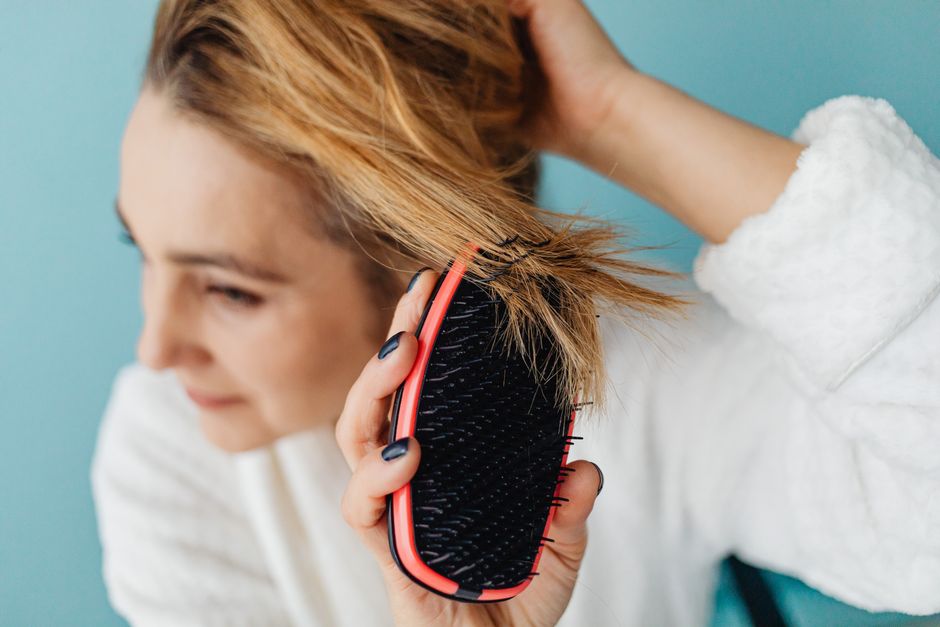
Noticing more hair in your shower drain or on your brush than usual can be unsettling. Daily shedding of 50 to 100 hairs is normal, but when the amount doubles or triples, it often signals a temporary shift in your body’s systems. In most cases, this type of shedding is a condition called telogen effluvium, which typically resolves on its own within six months once the trigger is addressed. The most common triggers include major stress, illness, rapid weight loss, childbirth, or a change in medication.
What Causes Sudden Hair Shedding?
Sudden, noticeable shedding usually means your hair follicles shifted into a resting phase earlier than they should have. This condition is called telogen effluvium. It happens when a physical or emotional stressor disrupts the normal hair growth cycle.
Normally, about 90 percent of your hair is in a growing phase at any given time. The other 10 percent is resting. After a few months of rest, those hairs fall out. When a major stressor hits, it can push a much larger percentage of follicles into the resting phase at once. The result is heavy shedding that typically begins two to three months after the triggering event.
Common triggers include high fever, surgery, severe illness, intense emotional stress, or a sudden change in diet. Many people notice this shedding after recovering from a viral illness. The shedding is a delayed response, not something that happens immediately.
Why Is My Hair Shedding More Than Usual Causes Fixes
Fixing excessive shedding starts with identifying what triggered it. If the trigger was a short illness or a stressful event, the shedding usually stops on its own as your body recovers. The hair that fell out will regrow, though it may take several months to notice.
Nutritional deficiencies are another common cause. Low iron levels, specifically low ferritin, are strongly linked to hair shedding. Vitamin D deficiency and low levels of certain B vitamins can also contribute. A simple blood test can check these levels.
Hormonal changes matter too. Thyroid disorders, both underactive and overactive, can cause hair loss. So can a drop in estrogen after pregnancy or during perimenopause. If your shedding coincides with other symptoms like fatigue, weight changes, or irregular periods, a hormone panel may be worth discussing with your doctor.
Certain medications list hair shedding as a side effect. Blood thinners, some antidepressants, beta-blockers, and acne treatments containing vitamin A can all trigger shedding. Never stop a prescribed medication without talking to your doctor first.
How Long Will the Shedding Last?
Telogen effluvium typically lasts about three to six months. The shedding usually peaks around the third month after the trigger and then gradually slows. Full regrowth can take six to twelve months because new hair grows slowly, about half an inch per month.
If shedding continues beyond six months without slowing, the cause may be different. Chronic telogen effluvium lasts longer and can persist for years. In that case, an underlying condition like an ongoing nutritional deficiency, autoimmune disease, or chronic stress may be at play.
See a doctor if you notice bald patches, scalp redness, scaling, or pain. Those symptoms point to conditions like alopecia areata or a scalp infection, which require different treatment. Sudden, dramatic shedding that leaves visible thinning in a matter of weeks also warrants a medical evaluation.




What Actually Helps Stop Hair Shedding?
Addressing the underlying cause is the only proven way to stop excessive shedding. If a blood test shows low iron, correcting that deficiency with supplements under medical guidance can help. The same applies to vitamin D or B12 deficiencies.
For stress-related shedding, the evidence is less direct. No clinical trial has proven that reducing stress stops shedding. However, the physiological link between stress hormones and follicle cycling is well established. Managing stress through sleep, exercise, and relaxation techniques is reasonable even if the direct effect on hair is hard to measure.
Minoxidil, sold under the brand name Rogaine, is approved for androgenetic alopecia, not for telogen effluvium. Some dermatologists recommend it for shedding that does not resolve, but it is not a standard first-line treatment for temporary shedding. If you consider it, talk to a dermatologist first.
Biotin and collagen supplements are heavily marketed for hair health. The evidence for biotin is strong only in people with a documented biotin deficiency, which is rare. Most people get enough biotin from food. Collagen supplements have some early research suggesting benefit, but large human trials have not confirmed a meaningful effect on hair shedding.
What Foods Support Hair Regrowth?
A balanced diet is the foundation of healthy hair. Hair follicles are among the most metabolically active cells in the body, so they need steady nutrition. Protein is essential because hair is made of keratin, a protein structure.
Iron-rich foods include lean red meat, spinach, lentils, and fortified cereals. Pairing iron-rich foods with vitamin C, like citrus or bell peppers, improves absorption. Good sources of vitamin D include fatty fish, egg yolks, and fortified dairy products.
Zinc and selenium also play roles in hair tissue growth and repair. Oysters, beef, pumpkin seeds, and Brazil nuts are solid sources. Omega-3 fatty acids from fish like salmon or sardines may support scalp health, though the evidence for a direct effect on hair growth is limited.
There is no single food that stops shedding. A varied diet with adequate calories and protein is the most reliable nutritional approach.
When to See a Dermatologist
Make an appointment if shedding lasts more than six months, if you see patchy hair loss, or if your scalp feels painful, itchy, or scaly. A dermatologist can perform a pull test, examine your scalp under a specialized microscope, and order blood work to identify deficiencies or hormonal issues.
Blood tests typically check iron stores, vitamin D, thyroid function, and sometimes sex hormones. The dermatologist may also look for signs of autoimmune conditions that affect hair. Early evaluation matters because some causes of hair loss, like scarring alopecia, require prompt treatment to prevent permanent damage.
For most people, though, the answer is patience. Temporary shedding from a known trigger resolves without treatment. The hair you lost will regrow, and the cycle will return to normal.
Does Washing or Styling Make It Worse?
Washing your hair does not cause shedding. The hairs that come out in the shower were already loose and ready to fall. Shampooing just collects them in one place where you notice them. Skipping washes will not prevent hair loss.
Aggressive styling can contribute to breakage, which is different from shedding. Shedding happens at the root. Breakage happens along the hair shaft. Tight ponytails, heavy chemical treatments, and high-heat styling can damage the shaft and cause hairs to snap off. Reducing heat exposure and loosening hairstyles can minimize breakage, but it will not stop root-level shedding.
If you have long hair, shedding looks more dramatic. Longer hairs are more visible in the drain and on your brush. The same number of hairs lost from a short cut is far less noticeable.
Can Supplements Help or Hurt?
Supplements only help if you have a deficiency. Taking extra iron when your levels are normal does not grow more hair and can be dangerous. Iron toxicity can damage organs, so never supplement iron without a blood test confirming low levels.
High-dose vitamin A supplements can actually cause hair loss. So can excessive selenium. More is not better when it comes to hair supplements. Stick to a standard multivitamin if you want insurance, and avoid mega-doses of any single nutrient.
Some research suggests that certain supplements, like marine collagen or specific nutraceutical blends, may improve hair density in people with thinning hair. But the studies are small, and results vary. No supplement has been proven to stop acute shedding from a stress trigger.
Frequently Asked Questions
Is it normal to lose 200 hairs a day?
No, that is double the normal rate of 50 to 100 hairs per day. Shedding at that level for more than a few weeks usually indicates telogen effluvium or another underlying condition worth investigating.
How long does stress-related hair shedding last?
Stress-related shedding typically lasts three to six months after the stressful event. The shedding starts two to three months after the trigger and gradually slows as your body recovers.
Can low iron cause hair shedding?
Yes, low iron stores are a well-established cause of hair shedding. A blood test measuring ferritin can confirm whether your iron levels are too low to support healthy hair growth.
Does biotin stop hair shedding?
Biotin only helps if you have a confirmed biotin deficiency, which is rare. Most people get enough biotin from their diet, and no strong evidence shows that extra biotin stops shedding in people with normal levels.
