
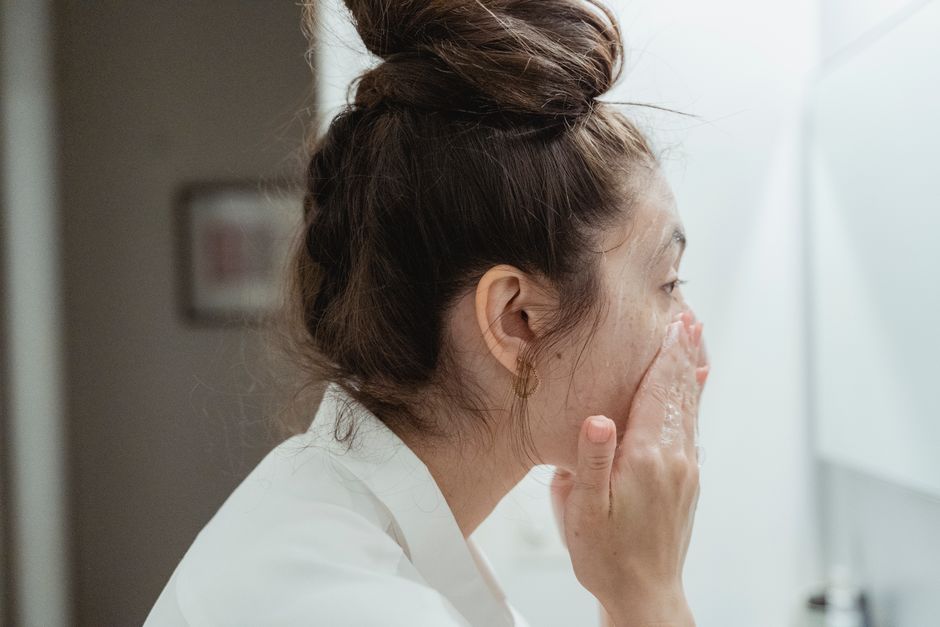
You can gently wash your face after Botox, but the first 24 hours matter most. For the first 24 hours, avoid rubbing, scrubbing, or pressing on the treated areas. After that, you can resume your normal gentle cleansing routine, but skip anything abrasive near the injection sites for the first 48 hours. The goal is simple: keep the area clean without disturbing where the product was placed.
How To Wash Your Face After Botox First 48 Hours
Botox is a brand name for botulinum toxin type A, a protein that temporarily reduces muscle activity. When injected into a facial muscle, it blocks the release of a chemical messenger called acetylcholine at the junction between the nerve and the muscle. That signal interruption is what softens the appearance of lines caused by muscle movement.
The injected protein binds to receptors in the muscle fairly quickly, but the full cosmetic effect develops over several days. Because the product is placed into a specific spot, the main practical concern in the first day or two is physical disturbance of that area — not water itself.
Here is what a reasonable, low-risk approach looks like:
- First 4 to 6 hours: Many clinicians advise keeping the treated area upright and undisturbed. Avoid washing, rubbing, or applying makeup over the injection sites during this window.
- Hours 6 to 24: Gentle cleansing is generally fine. Use lukewarm water and clean fingertips. Pat — do not rub — the skin dry.
- Hours 24 to 48: You can return to your usual cleanser. Avoid exfoliants, facial scrubs, cleansing brushes, and anything that requires firm pressure on the treated zones.
Notice that the guidance is about pressure and movement, not about water. There is no strong evidence that plain water on intact skin disrupts Botox. The caution is mainly about rubbing, massaging, and pressing, which could theoretically move the product away from where it was injected.
Why Does Rubbing Matter More Than Water?
Massage and pressure are the actions most clinicians caution against in the first day. The reasoning is mechanical, not chemical.
Botulinum toxin is injected into a small, precise area. If you press, massage, or rub that area soon after, there is a theoretical risk that some of the product spreads to nearby muscles. That could affect muscles you did not intend to treat — for example, causing a slightly droopy eyelid if product migrates near the eye area.
This is a plausible mechanism, and it is why the advice exists. But it is worth being honest about the evidence: the link between early rubbing and product spread is based largely on biological reasoning and clinical experience, not on large controlled human trials. Many clinicians still recommend avoiding it because the downside of caution is essentially zero.
Water alone, applied gently with clean hands, does not create the kind of pressure that concerns clinicians. Scrubbing, massage, and firm towel-drying do.
What Should You Avoid in the First 48 Hours?
The list of things to skip is short and mostly about avoiding heat, pressure, and vigorous movement near the treated area.
- Facial massage, gua sha, or jade rollers
- Exfoliating scrubs, chemical peels, and cleansing brushes
- Firm rubbing with a washcloth or towel
- Saunas, steam rooms, and hot yoga
- Intense exercise that causes heavy sweating and flushing
- Lying face-down or pressing the face into a pillow
The heat and exercise guidance is common in clinical practice, though the evidence that sweating or heat actually reduces Botox effectiveness is limited. The concern is that heat causes blood vessels to widen and increases blood flow to the area, which some clinicians believe could affect how the product settles. This is not firmly established, but again, the cost of avoiding a sauna for two days is low.
Alcohol and blood-thinning medications are sometimes mentioned in this context. These are more relevant to bruising risk than to how well the Botox works. If you take a blood thinner, that is a conversation to have with your injector and your prescribing doctor — not something to change on your own.





Can You Wear Makeup After Botox?
Many injectors advise waiting several hours before applying makeup over the injection sites. The reasoning is that makeup application involves touching, pressing, and sometimes rubbing the skin, and that the small puncture points are still fresh.
There is no strong evidence that makeup itself interferes with Botox. The caution is mostly about the handling that comes with applying it. If you do apply makeup in the first day, use a light touch and avoid pressing hard over the treated areas.
If your injector gave you specific instructions, follow those. Individual guidance can vary based on the treatment area, the number of injections, and your skin.
Does Washing Your Face Too Soon Ruin Botox?
Gentle washing does not ruin Botox. The protein binds to its target receptors relatively quickly, and normal cleansing with water and a mild cleanser is unlikely to interfere with that process.
What could matter is aggressive rubbing or massage in the first hours. Even then, the evidence that this reliably causes problems is not strong. Most reports of product spreading are uncommon, and it is difficult to separate the effect of early rubbing from other factors like injection technique and individual anatomy.
So the practical takeaway is not fear — it is a simple, low-effort precaution. Wash gently, pat dry, and skip the massage and scrubbing for two days.
When Should You Call Your Injector?
Contact the clinician who treated you if you notice any of the following:
- Severe or worsening pain, swelling, or redness
- Signs of infection such as increasing warmth, pus, or fever
- Drooping of an eyelid or eyebrow that concerns you
- Difficulty swallowing, speaking, or breathing
- New weakness in the face or elsewhere
Difficulty swallowing, speaking, or breathing after a botulinum toxin injection is uncommon but needs urgent medical attention. These symptoms can indicate that the toxin has spread beyond the treatment area, which is a recognized, rare complication. Do not wait to see if it improves on its own — seek emergency care.
Most side effects from cosmetic Botox are mild and temporary. Bruising, small bumps at the injection sites, and a mild headache are the most commonly reported. These typically settle within a few days.
What About the Rest of Your Skincare Routine?
You do not need to abandon your whole routine. You just need to pause the parts that involve friction or strong active ingredients near the treated areas for about two days.
Gentle cleanser, moisturizer, and sunscreen are generally fine after the first several hours. Hold off on retinoids, exfoliating acids, and anything that stings or requires vigorous application until the injection sites have settled. If a product causes irritation, that irritation is worth avoiding regardless of Botox.
Sun protection still matters. Use a gentle sunscreen and reapply by patting rather than rubbing during the first two days.
Frequently Asked Questions
Can I wash my face 24 hours after Botox?
Yes, gentle washing with lukewarm water and clean fingertips is generally considered fine after the first several hours. Avoid scrubbing, massage, and firm towel-drying near the injection sites for the first 48 hours.
Does water ruin Botox?
No, plain water on intact skin is not thought to interfere with Botox. The main concern is pressure and rubbing, not water itself.
Can I use a face cleanser after Botox?
A mild cleanser is generally acceptable after the first several hours. Skip exfoliating scrubs, cleansing brushes, and products that require firm rubbing for about two days.
What happens if I rub my face after Botox?
Rubbing could theoretically cause the product to spread to nearby muscles, which might affect unintended areas. This risk is based mainly on clinical reasoning rather than strong trial evidence, but avoiding rubbing for two days is a simple precaution.
