
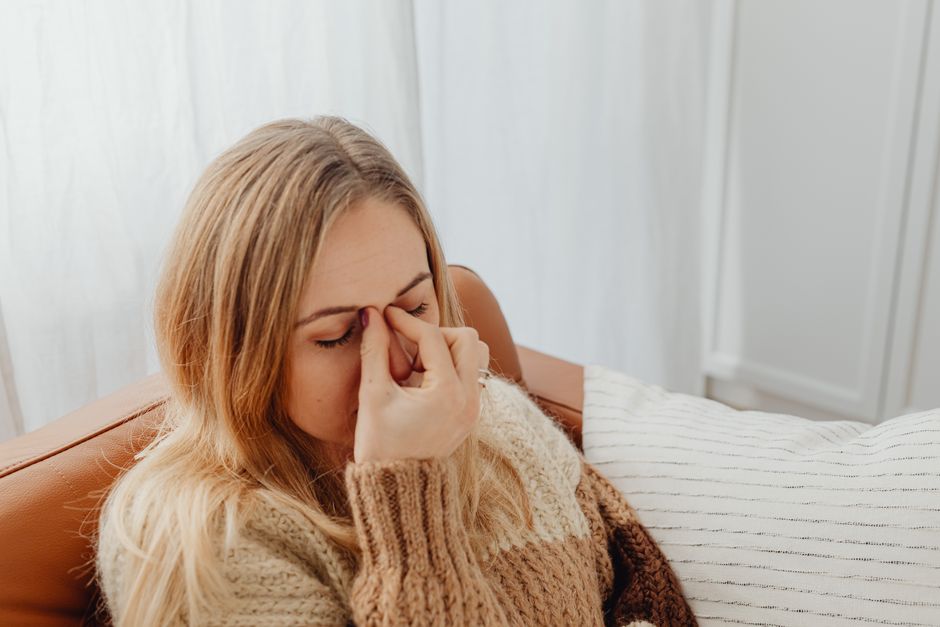
Dizziness after drinking alcohol happens when alcohol affects your inner ear balance, dehydrates you, and changes your blood pressure. The fastest way to stop feeling dizzy is to stop drinking immediately, drink water, lie down in a safe position, and wait for your body to process the alcohol. Time and rest are the only reliable cures. No drink or pill will instantly fix it. The dizziness usually fades within a few hours as your blood alcohol level drops.
What causes dizziness after drinking alcohol?
Alcohol affects several systems in your body that control balance. The most direct effect is on your inner ear. The inner ear contains fluid-filled canals that tell your brain which way you are moving. Alcohol changes the density of this fluid. Your brain receives mixed signals, which produces dizziness and a spinning sensation.
Alcohol also widens your blood vessels. This causes blood pressure to drop temporarily. When you stand up, less blood reaches your brain, and you may feel lightheaded or faint. This is called orthostatic hypotension.
Dehydration is another key factor. Alcohol blocks a hormone that helps your kidneys hold onto water. You lose more fluid than you take in. Even mild dehydration can reduce blood volume and make dizziness worse.
Low blood sugar can also contribute. Alcohol interferes with your liver’s ability to release stored glucose. If you have not eaten much, your blood sugar may drop and add to the woozy feeling.
How to stop feeling dizzy after drinking alcohol
Stop drinking alcohol immediately. Drinking more will only increase your blood alcohol level and prolong the dizziness.
Drink water or a non-alcoholic, non-caffeinated beverage. Sip slowly. There is no specific amount that is proven to reverse dizziness, but rehydration helps your body restore normal blood volume. Sports drinks with electrolytes may help, though plain water works just as well for most people.
Lie down on your side with your head elevated slightly. This position reduces the risk of choking if you vomit and helps blood flow to your brain. If the room feels like it is spinning, keep your eyes closed and fix your gaze on a single spot when you open them. This can calm the inner ear signals.
Eat a light snack if you can tolerate it. Food that contains complex carbohydrates and some protein — like whole grain toast with peanut butter — can help stabilize blood sugar. Avoid greasy or heavy foods. They may upset your stomach and do not speed up alcohol processing.
Do not take over-the-counter pain relievers like ibuprofen or acetaminophen for dizziness. They do not treat dizziness, and acetaminophen combined with alcohol can harm your liver. Let your body process the alcohol naturally.
Sleep is one of the best remedies. Your liver metabolizes alcohol at a steady rate. Resting allows your body time to clear the alcohol and restore balance.
Can eating or drinking something specific help?
No single food or drink has been proven in clinical studies to stop dizziness after drinking alcohol. Many popular remedies — like coffee, cold showers, or raw eggs — do not help and can sometimes make things worse. Caffeine narrows blood vessels and might slightly increase alertness, but it also contributes to dehydration. Cold showers do not lower blood alcohol level and can cause a dangerous drop in body temperature.
Some people recommend honey or fruit juice because fructose may help the liver process alcohol slightly faster. The effect is small, if it exists at all. It will not stop dizziness quickly.
The most helpful step is rehydration. Water, electrolyte drinks, or broth replace lost fluids and help your body stabilize. Eating a balanced meal before or during drinking is far more effective than scrambling for a fix after dizziness sets in.


How to prevent dizziness while drinking alcohol
Prevention is more reliable than any treatment. Start by eating a substantial meal before you drink. Food slows how fast alcohol enters your bloodstream. Protein, fat, and complex carbohydrates are best.
Pace yourself. The general guideline is no more than one standard drink per hour for women and two for men, though individual tolerance varies. Sipping your drink rather than finishing it quickly gives your body time to process the alcohol.
Drink water between alcoholic beverages. A common strategy is one glass of water for every alcoholic drink. This helps maintain hydration and dilutes alcohol in your stomach.
Choose drinks with lower alcohol content. Cocktails with multiple types of liquor or high-proof spirits raise your blood alcohol faster. Beer and wine typically produce a slower rise.
Avoid drinking on an empty stomach and avoid mixing alcohol with carbonated beverages. Carbonation can speed alcohol absorption. Also be careful with medications. Many common drugs — including antihistamines, sleep aids, and anxiety medications — can intensify alcohol’s effects and cause severe dizziness even with small amounts of alcohol.
Does the type of alcohol matter?
The primary factor is the total amount of alcohol you consume, not the type. A standard drink contains roughly the same amount of ethanol whether it is beer, wine, or liquor. However, some alcoholic drinks contain compounds called congeners. These are byproducts of fermentation and aging found in higher amounts in darker liquors like whiskey, brandy, and red wine. Some research suggests that drinks with more congeners may worsen hangover symptoms, including dizziness, compared to drinks with fewer congeners like vodka or gin. But the effect is not large enough to rely on if you drink to excess. Light to moderate drinking with any type of alcohol is less likely to cause dizziness than heavy drinking with any type.
How long does dizziness last?
Dizziness usually improves within a few hours after you stop drinking. Once your blood alcohol level begins to fall, your brain and inner ear gradually return to normal. Most people feel steady again by the time their blood alcohol is close to zero, which takes about one hour per standard drink.
Some people experience dizziness the next morning as part of a hangover. This can last several hours after your blood alcohol is gone. Dehydration, low blood sugar, and ongoing inner ear effects can keep you feeling off balance into the next day. Drinking more alcohol to relieve symptoms — sometimes called “hair of the dog” — only delays recovery.
When should you see a doctor about dizziness after drinking?
Dizziness after drinking is common and usually not dangerous. But you should seek medical help if the dizziness is severe, causes you to fall, or comes with confusion, slurred speech, vomiting that will not stop, trouble staying awake, slow or irregular breathing, or cold clammy skin. These can be signs of alcohol poisoning, which is a medical emergency.
Also see a doctor if dizziness lasts more than 24 hours after your last drink, or if you have a head injury during drinking that could have caused a concussion. Repeated episodes of dizziness with even small amounts of alcohol may indicate an underlying inner ear disorder, such as benign paroxysmal positional vertigo or Meniere’s disease. A doctor can evaluate these conditions.
If you take medications and notice dizziness after even one drink, talk to your doctor. Some medications interact strongly with alcohol and can cause dangerously low blood pressure or heart rhythm problems.
Frequently Asked Questions
Why do I feel dizzy when I drink alcohol?
Alcohol changes the fluid density in your inner ear, which disrupts your sense of balance. It also widens blood vessels, lowers blood pressure, and dehydrates you, all of which can make you feel dizzy or lightheaded.
How do I get rid of dizziness from alcohol fast?
Stop drinking, lie down on your side, and drink water slowly. No food or drink will instantly stop dizziness. Your body needs time to break down the alcohol and restore fluid balance.
Can dehydration cause dizziness after drinking?
Yes, dehydration is a major cause. Alcohol makes you urinate more, reducing blood volume and leading to lightheadedness. Replacing fluids with water or an electrolyte drink can help.
Should I be worried if I still feel dizzy the next day?
Mild dizziness the next morning is common with a hangover and usually fades within a few hours. But if dizziness is severe, lasts more than 24 hours, or comes with confusion or vomiting, see a doctor.
