
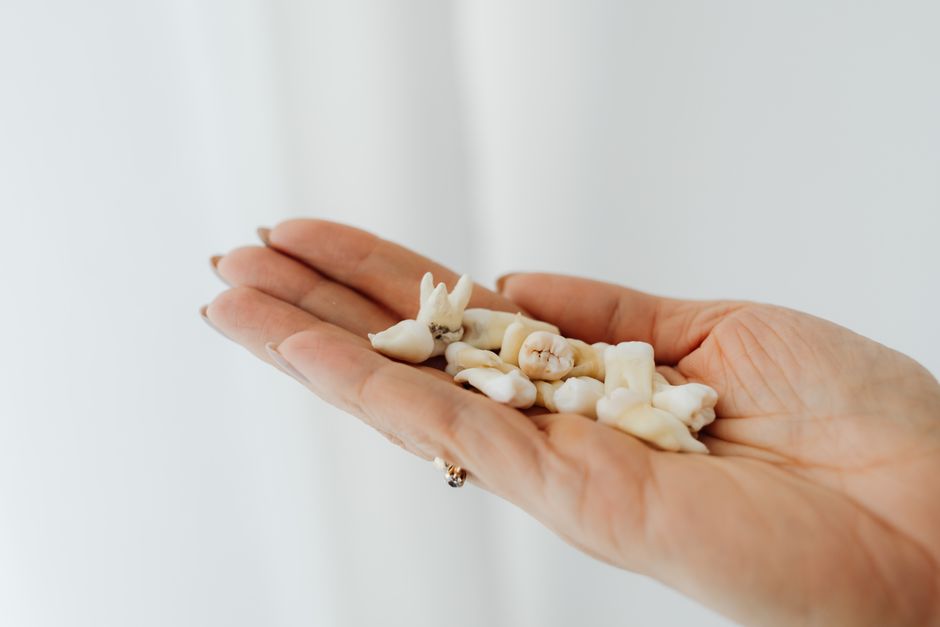
Bleeding after wisdom tooth removal is normal, but it can be unsettling. A plain black tea bag can help stop the bleeding faster. The tannic acid in black tea helps blood clot, which is exactly what your body needs after an extraction. Here is how to use a tea bag for wisdom teeth bleeding, step by step.
Why Does a Tea Bag Stop Bleeding After Tooth Extraction?
The active ingredient in black tea is tannic acid. Tannic acid is an astringent, which means it makes tissues contract and tighten. When you place a tea bag on an open wound, the tannic acid helps the blood vessels constrict and encourages the blood to clot.
Blood clotting is the body’s natural way to seal a wound. The clot acts as a protective layer over the extraction site. It stops the bleeding and creates a barrier against bacteria and food particles.
This is not a new or unproven home remedy. Many oral surgeons and dentists have recommended black tea bags for post-extraction bleeding for years. It is a well-established practice, though it is not a replacement for following your surgeon’s specific aftercare instructions.
How To Use Tea Bags For Wisdom Teeth Bleeding
Follow these steps carefully. The method matters as much as the tea itself.
- Choose the right tea. Use a regular black tea bag. Green tea contains less tannic acid. Herbal teas like chamomile or peppermint do not contain tannic acid and will not work for this purpose.
- Moisten the tea bag. Dip the tea bag in cool water for a few seconds. You want it damp, not dripping wet. Do not use hot water. Heat can irritate the wound and break down the clot you are trying to form.
- Place the tea bag directly on the extraction site. Gently position it so it covers the socket where the tooth was removed.
- Bite down firmly. Close your teeth and apply steady, gentle pressure. This pressure is what actually stops the bleeding. The tea bag is a delivery system for the tannic acid, but the pressure does the mechanical work.
- Hold for 20 to 30 minutes. Set a timer. Do not keep checking the site. Constant movement disrupts clot formation. Bite down and hold still.
- Remove the tea bag carefully. When the time is up, open your mouth slowly and remove the bag. Do not pull it off if it feels stuck. Moisten your lips with water and let it loosen naturally.
- Do not rinse or spit. For the first 24 hours after an extraction, avoid vigorous rinsing, spitting, or using a straw. These actions create suction or pressure that can dislodge the new clot.
How Long Should You Keep the Tea Bag On?
Hold the tea bag in place for 20 to 30 minutes. This is the standard recommendation for post-extraction bleeding control. If the bleeding continues after removing the first tea bag, you can repeat the process once more with a fresh tea bag.
You should see a significant reduction in bleeding within the first hour. Light oozing or pink-tinged saliva for the first 24 hours is common and not a cause for alarm. Active bleeding that soaks the tea bag within minutes is not normal.
If you have applied a tea bag twice and bleeding is still heavy, contact your oral surgeon or dentist immediately. Do not keep replacing tea bags indefinitely. Persistent bleeding can indicate a problem that needs professional attention.
-
 Why Am I Bleeding When I Blow My Nose? Why It Happens
 -
What Can I Eat The First Day After Wisdom Teeth Removal?
-
How To Remember To Brush Your Teeth Habits That Stick?
-
How To Remove Yellow Plaque From Teeth At Home?
-
ProDentim Reviews 2026 – Does This Oral Probiotic Really Improve Teeth and Gum Health?





What Type of Tea Bag Works Best?
Plain black tea is the only type that has meaningful tannic acid content. Standard brands like Lipton, PG Tips, or any generic black tea work fine. The brand does not matter. What matters is that it is black tea and not flavored or herbal.
Avoid tea bags that contain added flavorings, spices, or sweeteners. These additives can irritate the wound. Plain, unflavored black tea is the safest choice.
Some people ask about green tea. Green tea does contain some tannins, but at much lower levels than black tea. For the purpose of stopping bleeding, black tea is the better option.
Is a Tea Bag Better Than Gauze for Bleeding?
Gauze is the standard first-line treatment after any tooth extraction. Your oral surgeon will place gauze over the site and ask you to bite down. Gauze provides clean, sterile pressure and absorbs blood.
A tea bag is a good backup when gauze is not working or when you have run out. The advantage of a tea bag is the tannic acid, which actively promotes clotting. Gauze only provides pressure.
For most people, gauze is sufficient. Use the tea bag method if bleeding persists after 30 to 45 minutes of gauze pressure. Some surgeons recommend switching to a tea bag directly if the gauze becomes soaked quickly.
Do not use a tea bag in place of the gauze your surgeon provided unless instructed to do so. Use it as a supplement or a second-line approach.
Risks and Precautions With Tea Bags
The tea bag method is generally safe, but there are a few things to keep in mind.
Do not use hot tea. Hot liquid can damage the delicate tissue in the extraction socket and may dissolve the clot you are trying to form. Always cool the tea bag with water before placing it in your mouth.
Do not leave the tea bag in place for longer than 30 minutes at a time. Leaving it longer does not improve clotting and increases the risk of the tea bag sticking to the wound.
If the tea bag sticks when you try to remove it, do not yank it off. Moisten it with a little water and wait a few seconds. Pulling it off can remove the clot along with it, which restarts the bleeding.
People with a known allergy to tea or tannins should not use this method. This is rare, but it exists. If you develop swelling, itching, or discomfort beyond normal post-surgical pain, remove the tea bag and contact your dentist.
When To Call Your Dentist or Oral Surgeon
Some bleeding after extraction is normal. Heavy bleeding is not. Call your oral surgeon if you experience any of the following:
- Bleeding that does not slow down after two tea bag applications
- Blood pooling in your mouth that you cannot control
- Large clots forming that feel like they are coming out of the socket
- Bleeding that restarts hours after it had stopped
- Signs of infection such as fever, increasing pain, or foul taste that worsens after day three
Persistent bleeding can be a sign of a condition called dry socket, where the clot fails to form or is dislodged. Dry socket is painful and requires professional treatment. The tea bag method cannot treat dry socket. It only helps with active bleeding.
Other Tips for Managing Bleeding After Wisdom Teeth Removal
The tea bag method works best when combined with good aftercare habits.
Keep your head elevated for the first 24 hours. Use extra pillows when lying down. Keeping your head above heart level reduces blood pressure in the area and helps the clot stay in place.
Avoid hot foods and drinks for the first day. Stick to cool, soft foods like yogurt, applesauce, or smoothies. Do not use a straw. The suction can dislodge the clot.
Avoid smoking and alcohol for at least 48 hours after surgery. Both interfere with clotting and slow down healing. Smoking also introduces bacteria into the wound.
Take pain medication as prescribed by your surgeon. Over-the-counter options like ibuprofen can help with both pain and swelling. Follow the dosing instructions on the label or from your surgeon.
Frequently Asked Questions
Can I use any tea bag for wisdom teeth bleeding?
Only plain black tea bags work well. Green tea has less tannic acid, and herbal teas have none.
How long do I bite on the tea bag?
Bite down firmly for 20 to 30 minutes. Remove it gently afterward and do not rinse or spit.
Can a tea bag cause dry socket?
No, a tea bag does not cause dry socket. In fact, it helps prevent it by promoting a strong clot, but it cannot treat dry socket once it develops.
When should I stop using tea bags for bleeding?
Stop after two applications or once bleeding has slowed to light oozing. If bleeding remains heavy after two tea bags, call your dentist.
