
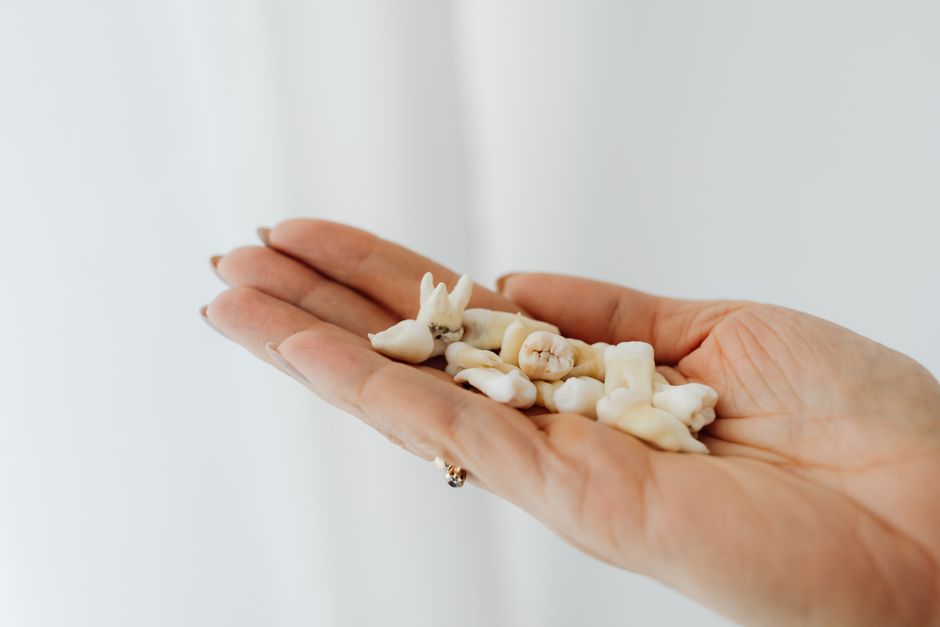
The first day after wisdom teeth removal is about protecting the surgical site while keeping your body fueled. Your goal is to eat soft foods that require no chewing and won’t leave particles in the sockets. Safe options include smoothies, yogurt, applesauce, mashed potatoes, and lukewarm broth. Avoid anything hot, crunchy, or spicy, and do not use a straw, as the suction can dislodge the blood clot that is essential for healing.
Why the First 24 Hours Are Different
The first day after surgery is when your mouth is most vulnerable. The blood clot that forms in the socket acts as a protective scab. It stops bleeding and provides the foundation for new tissue to grow.
If that clot is dislodged, you can develop a painful condition called dry socket. This exposes the bone and nerves underneath. It is one of the most common complications after wisdom teeth removal, and it is largely preventable with careful eating.
Your mouth is also likely still numb from the local anesthetic. This means you cannot feel your lips, cheeks, or tongue properly. You could accidentally bite your cheek or burn your mouth without realizing it. Stick to foods that are already soft and at room temperature or lukewarm.
What Can I Eat The First Day After Wisdom Teeth Removal?
You want foods that require zero chewing. The texture should be smooth or easily mashed with your tongue against the roof of your mouth. The temperature should be cool or lukewarm—never hot.
Good first-day options include:
- Yogurt — plain or flavored, no fruit chunks
- Applesauce — smooth, not chunky
- Mashed potatoes — made thin with milk or broth
- Smoothies — but eaten with a spoon, not a straw
- Broth — chicken, beef, or vegetable, lukewarm
- Pudding or custard — smooth and cool
- Ice cream — the cold can help reduce swelling
- Scrambled eggs — cooked soft, nearly runny, and cooled
- Cottage cheese — small curd, eaten carefully
- Oatmeal — cooked very soft with extra liquid
These foods provide calories, protein, or hydration without risking the surgical site. They also require little to no effort to eat, which matters when your jaw is sore and difficult to open fully.
Foods to Avoid on Day One
Some foods are dangerous on the first day. They can dislodge the blood clot, get stuck in the sockets, or cause pain and irritation.
Avoid anything crunchy, hard, or sharp. This includes chips, nuts, popcorn, crackers, and raw vegetables. Small particles can lodge into the extraction sites and cause infection or delayed healing.
Avoid carbonated drinks. The bubbles can irritate the wound and the pressure can be uncomfortable. Avoid alcohol and tobacco entirely—both slow healing and increase the risk of complications.
Do not eat anything spicy. Spicy foods can irritate the open tissue and cause unnecessary pain. Avoid acidic foods like citrus juices and tomatoes, which can sting the wound.
Hot foods and drinks are also off-limits on day one. Heat increases blood flow to the area, which can increase swelling and bleeding. Wait until everything is lukewarm or room temperature.

Why You Must Avoid Straws
Using a straw creates suction in your mouth. That suction can pull the blood clot right out of the socket. This is one of the most common causes of dry socket, and it is completely avoidable.
Do not use a straw for at least a week after surgery. This includes drinking smoothies, water, or any beverage. Drink directly from a cup or glass, taking small sips.
Also avoid sucking on hard candies, sipping soup from a spoon with suction, or making any other sucking motion with your mouth. Even spitting forcefully can create enough negative pressure to dislodge the clot. If you need to clear your mouth, lean over the sink and let saliva drip out rather than spitting.
How to Eat Comfortably After Surgery
Your jaw will likely be stiff and sore. Opening it wide may be difficult. Take small bites and eat slowly. Chew on the side of your mouth opposite the extraction sites if you had surgery on one side only.
If you had all four wisdom teeth removed, chewing may not be possible at all. That is fine. The foods on the safe list do not require chewing. You can swallow them directly or use your tongue to press them against the roof of your mouth.
Stay hydrated. Dehydration can make you feel worse and slow recovery. Sip water frequently throughout the day. Do not use a straw, and do not drink large amounts at once. Small, frequent sips are gentler on your mouth.
Some bleeding is normal for the first 24 hours. If you notice light pink saliva, that is expected. Bite gently on the gauze pads your surgeon provided, changing them as directed. Do not rinse your mouth vigorously on day one. Your surgeon will give you specific instructions about when and how to rinse.
When to Call Your Surgeon
Some discomfort and swelling are normal after wisdom teeth removal. But certain signs warrant a phone call to your oral surgeon or dentist.
Call if you have bleeding that does not slow down after applying pressure for 30 minutes. Call if you develop a fever, which can indicate infection. Call if you have severe pain that is not controlled by your prescribed pain medication, especially if the pain worsens a few days after surgery—this can be a sign of dry socket.
Also call if you experience numbness that persists beyond the expected duration, difficulty breathing or swallowing, or any signs of an allergic reaction to medication.
Your surgeon’s office should provide you with clear post-operative instructions. Follow them exactly. If you are unsure about anything, call the office rather than guessing. It is better to ask a question than to risk a complication.
Day One Is Just the Beginning
The first day is the most restrictive, but your diet will remain limited for several days. Most people progress to soft foods like pasta, soft bread, and cooked vegetables within a few days. Full recovery typically takes one to two weeks.
Pay attention to how your mouth feels. If a food causes pain or gets stuck, stop eating it and go back to safer options. Healing is different for everyone. Some people recover quickly, while others need more time.
Your body needs protein and calories to heal. If you are struggling to eat enough, focus on nutrient-dense soft foods like Greek yogurt, protein shakes (drunk from a glass), and scrambled eggs. These provide the building blocks your body needs for tissue repair.
Do not rush the process. Eating the wrong thing too early can set your recovery back significantly. The discomfort of a limited diet for a few days is far better than the pain of dry socket or an infection.
Frequently Asked Questions
Can I eat ice cream after wisdom teeth removal?
Yes, ice cream is a good choice on the first day because it is soft and the cold can help reduce swelling. Choose smooth flavors without nuts, cookie pieces, or other crunchy mix-ins.
How long do I need to eat soft foods after wisdom teeth removal?
Most people need to eat soft foods for about three to seven days. Your surgeon will give you specific guidance based on how many teeth were removed and how your healing progresses.
Can I drink coffee after wisdom teeth removal?
No, not on the first day. Coffee is hot, which can increase bleeding and swelling, and the caffeine can interfere with sleep and healing. Wait at least 48 hours and drink it lukewarm.
Is it okay to swallow food without chewing after wisdom teeth removal?
Yes, that is completely fine. Many of the recommended foods like yogurt, applesauce, and mashed potatoes can be swallowed directly. Just take small amounts and eat slowly.
