
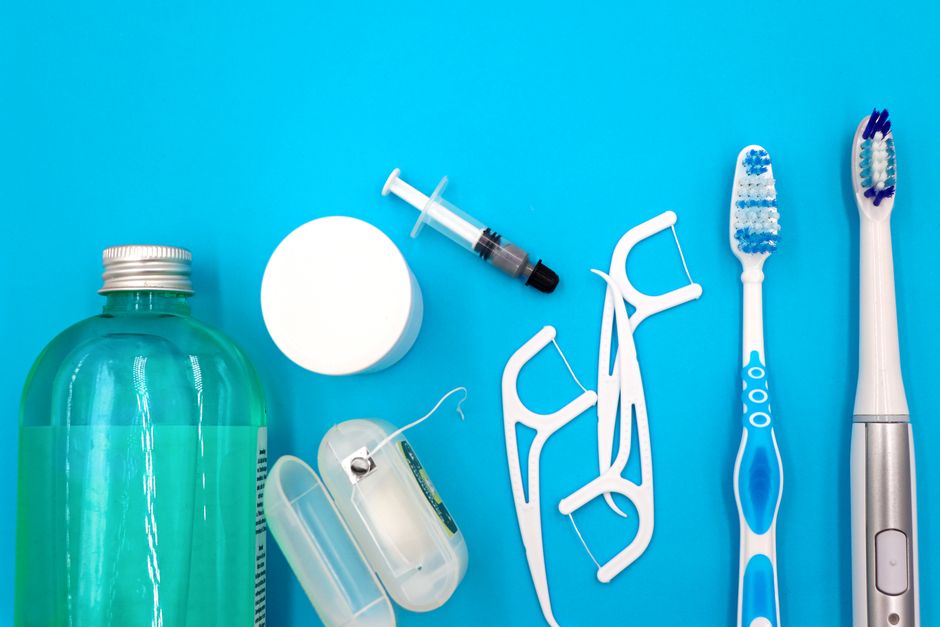
Yellow plaque on teeth is a common problem, but you can remove much of it at home with the right tools and technique. The most effective method is consistent, correct brushing and flossing to disrupt the biofilm before it hardens. For plaque that has already turned into hard tartar, at-home removal is not possible, and you will need a professional dental cleaning.
What Is Yellow Plaque and Why Does It Form?
Plaque is a sticky, colorless film of bacteria that constantly forms on your teeth. It becomes yellow when it thickens and starts to trap food pigments and minerals from your saliva. This is the early stage of a process that can lead to cavities and gum disease.
When plaque sits on your teeth for more than 48 hours, it begins to harden into tartar, also called calculus. Tartar is mineralized plaque, and it is firmly attached to the tooth surface. Once plaque hardens into tartar, no toothbrush or home remedy can remove it. The bacteria in tartar continue to irritate your gums and cause inflammation.
The yellow color often comes from the bacteria themselves and the food and drink stains they trap. Coffee, tea, red wine, and tobacco use can make the yellow appearance more obvious. Even with good home care, some people form tartar faster than others due to the mineral content of their saliva.
How To Remove Yellow Plaque From Teeth At Home
The only safe way to remove soft yellow plaque at home is by physically disrupting it with brushing and flossing. Plaque is soft, and it can be removed with mechanical action. No mouthwash, herbal rinse, or special toothpaste can remove plaque that is already clinging to your teeth without some form of scrubbing.
Brush twice a day for two full minutes using a soft-bristled toothbrush and fluoride toothpaste. Angle the bristles at 45 degrees toward the gumline and use short, circular motions. Pay special attention to the back molars and the area along the gums, where plaque tends to accumulate first.
Floss once a day to remove plaque between teeth where a brush cannot reach. If flossing is difficult, interdental brushes or a water flosser can be effective alternatives. The goal is to break up the bacterial film every day before it has a chance to thicken and mineralize.
Electric toothbrushes are more effective at removing plaque than manual brushes for most people. Studies consistently show that powered brushes reduce plaque and gingivitis more than manual brushing over the long term. The oscillating-rotating models have the strongest evidence behind them.
Why Baking Soda and Other Home Remedies Work or Fail
Baking soda is one of the few home remedies with genuine evidence behind it. Research published in the Journal of the American Dental Association found that toothpaste containing baking soda removes plaque more effectively than toothpaste without it. Baking soda is mildly abrasive, which helps physically scrub plaque off the tooth surface.
You can brush with a paste made of baking soda and water, but do not do this every day. Baking soda is abrasive enough that daily use can wear away enamel over time. Once enamel is gone, it does not grow back. Limit baking soda brushing to a few times per week if you choose to use it.
Oil pulling is a popular trend, but the evidence is weak. Some small studies suggest that swishing coconut or sesame oil for 15-20 minutes may reduce bacteria in the mouth, but no large human trials confirm that it removes existing plaque. Oil pulling does not physically disrupt the biofilm the way brushing does.
Hydrogen peroxide rinses can help reduce bacteria, but they do not remove plaque. Diluted hydrogen peroxide can be used as a mouthwash, but it should never be swallowed. If you have sensitive gums or open sores, skip this approach entirely.
Activated charcoal is not recommended. Charcoal is highly abrasive and can damage enamel and make teeth appear more yellow by exposing the darker dentin underneath. No clinical evidence supports charcoal as a safe or effective plaque remover.



When At-Home Removal Is Not Enough
If the yellow buildup on your teeth is hard and cannot be scraped off with a fingernail, it is tartar, not plaque. Tartar requires professional removal with dental instruments. A dental hygienist uses metal scalers and ultrasonic tools to break the mineralized deposits off the tooth surface.
Attempting to scrape tartar off at home with metal tools is dangerous. You can damage your enamel, cut your gums, and introduce bacteria into your bloodstream. Over-the-counter dental scrapers are sold online, but dentists strongly advise against using them. The risk of permanent damage is not worth the temporary cosmetic improvement.
Professional cleanings are the only way to remove tartar completely. Most people need a cleaning every six months, but some need them more frequently. If you have gum disease or form tartar quickly, your dentist may recommend a cleaning every three to four months.
Can You Whiten Yellow Teeth at Home Safely?
Whitening treatments address tooth discoloration, not plaque. If your teeth are yellow because of plaque buildup, whitening will not help until the plaque is removed. Whitening products work on the intrinsic color of your teeth, not the film on the surface.
After plaque is removed, over-the-counter whitening strips containing hydrogen peroxide or carbamide peroxide are generally safe and effective. They work by penetrating the enamel and breaking down stain molecules. Results vary by product and starting tooth color.
Whitening toothpaste is different from whitening strips. Most whitening toothpastes contain mild abrasives that polish surface stains but do not change the intrinsic color of teeth. Some contain low concentrations of peroxide, but the contact time is too short to produce significant whitening.
How To Prevent Yellow Plaque From Returning
Prevention is more effective than removal. The same habits that remove plaque will prevent it from building up in the first place. Brush twice daily, floss once daily, and see your dentist regularly.
Reduce sugary and acidic foods and drinks. Bacteria in plaque feed on sugar and produce acid that damages enamel and promotes further plaque growth. Water is the best drink for your teeth, especially after meals.
Chewing sugar-free gum after meals can help stimulate saliva production. Saliva neutralizes acid and washes away food particles. Some sugar-free gums contain xylitol, which some research suggests may reduce cavity-causing bacteria.
Do not smoke or use tobacco products. Tobacco use is strongly linked to increased plaque, tartar, and gum disease. It also stains teeth and makes the yellow appearance worse.
Frequently Asked Questions
Can baking soda remove yellow plaque from teeth?
Yes, baking soda can help remove soft plaque because it is mildly abrasive. Use it sparingly, no more than a few times per week, to avoid damaging enamel.
Is it safe to scrape plaque off teeth at home?
No, scraping tartar at home with metal tools is not safe and can damage enamel and gums. Only a dental professional should remove hardened tartar.
Does oil pulling remove yellow plaque?
Oil pulling has not been proven to remove existing plaque. It may reduce bacteria in the mouth, but it cannot physically disrupt plaque the way brushing and flossing do.
How long does it take for plaque to turn into tartar?
Plaque can begin to harden into tartar within 48 hours if it is not removed. Once hardened, tartar can only be removed by a dental professional.
