
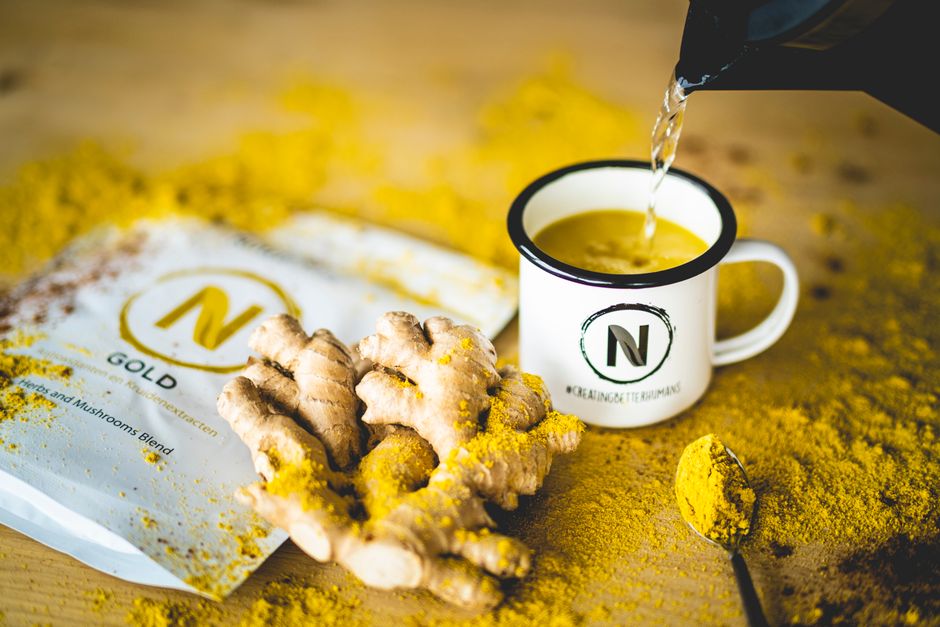
Mushroom powder is simply dried mushrooms ground into a fine powder. You can stir it into coffee, blend it into smoothies, sprinkle it on eggs, or mix it into soups and sauces. The key is starting with a small amount, usually half a teaspoon, and working up. Most people find the earthy flavor blends well with savory dishes and is barely noticeable in coffee or chocolate-based drinks.
What Is Mushroom Powder and Why Do People Use It?
Mushroom powder comes from medicinal mushrooms like reishi, lion’s mane, chaga, cordyceps, and turkey tail. These are not the same mushrooms you cook for dinner. They are functional mushrooms, meaning people use them for specific health effects rather than taste or texture.
Research shows that certain compounds in these mushrooms, like beta-glucans and hericenones, may support immune function, focus, and stress response. A 2020 study on lion’s mane found that older adults with mild cognitive decline showed improved mental performance after taking the extract for 16 weeks. That is promising but not a cure for anything.
Current research suggests the effects are modest for most people. Some studies are small or funded by supplement companies. That does not mean the powders are worthless. It means you should have realistic expectations. They are not a shortcut to better health. They are one tool among many.
How To Use Mushroom Powder In Coffee Food And More
Start with half a teaspoon per serving. That is about one gram. Mix it into your morning coffee after brewing. The powder will not dissolve completely, so stir well or use a frother. Some people prefer blending it with hot milk and a touch of honey to mask the earthy taste.
For food, mushroom powder works well in savory dishes. Stir it into scrambled eggs, pasta sauce, or homemade soup. It blends into the background flavor. You can also add it to smoothies, especially ones with banana or cocoa powder. Those strong flavors cover the mushroom taste effectively.
Here is a quick comparison of common ways to use mushroom powder:
| Method | Best Mushroom Type | Flavor Impact | Tips |
|---|---|---|---|
| Coffee | Lion’s mane or chaga | Mild earthy note | Use a frother for even mixing |
| Smoothies | Any type | Hidden by fruit | Banana or berries work best |
| Soup or sauce | Reishi or turkey tail | Subtle umami | Add at the end of cooking |
| Baked goods | Lion’s mane | Very minimal | Mix into dry ingredients first |
Does Mushroom Powder Actually Work for Focus and Energy?
Lion’s mane is the mushroom most commonly linked to focus. Some studies suggest it may stimulate nerve growth factor, a protein that supports brain cell health. A 2023 review of human trials found that lion’s mane improved cognitive function in people with mild impairment but not in healthy young adults.
Cordyceps is often promoted for energy and athletic performance. The evidence is mixed. One small study found that older adults taking cordyceps improved their exercise capacity. But the same effect has not been shown consistently in younger, active people. If you feel more alert after adding mushroom powder to your coffee, it may be the caffeine, not the mushroom.
Do not expect a dramatic shift. Most people report subtle improvements over weeks, not minutes. If you want a quick jolt, mushroom powder is not the answer. If you want a gradual, mild support for your brain or stamina, it may help.




What Are the Side Effects and Risks of Mushroom Powder?
Mushroom powder is generally safe for most people. Side effects are rare and usually mild. Some people report digestive upset, bloating, or loose stools when they first start. This often goes away after a few days. Starting with a small dose helps your body adjust.
There are a few groups who should be cautious. People with mushroom allergies should avoid it. Anyone on blood-thinning medication like warfarin should check with a doctor before using reishi or chaga, as they can affect blood clotting. Pregnant or nursing women should also consult a healthcare provider.
Quality matters. Not all mushroom powders are the same. Some products contain only the mycelium, which is the root-like part grown on grain, not the actual mushroom fruit body. The fruit body contains higher levels of the beneficial compounds. Look for products that specify “fruiting body” on the label. Third-party testing is another sign of quality.
What to Avoid When Buying and Using Mushroom Powder
Avoid products that do not list the mushroom species or the part of the mushroom used. If the label says “proprietary blend” without specifics, you have no idea what you are getting. Also avoid powders with added fillers, sugars, or artificial flavors. You want pure mushroom powder, nothing else.
Do not assume more is better. Taking double the recommended dose does not double the benefit. It increases the chance of digestive upset. Stick to the serving size on the package. For most powders, that is one to two grams per day.
Be skeptical of dramatic health claims. No mushroom powder cures cancer, reverses dementia, or replaces medical treatment. If a product promises a miracle, it is likely overpriced and underdelivers. Trust companies that are transparent about their sourcing and testing.
- Check that the label says “fruiting body” not just “mycelium”
- Look for third-party testing seals like USP or NSF
- Avoid blends that hide the amount of each mushroom
- Do not buy from companies with vague marketing language
How to Choose the Right Mushroom Powder for Your Needs
Match the mushroom to your goal. If you want focus and mental clarity, lion’s mane is the best studied option. For immune support, turkey tail and reishi have the strongest research. For stress and sleep, reishi is the most common choice. For energy, cordyceps is the one people turn to, though the evidence is weaker.
Read the label carefully. The powder should list the species name, such as Hericium erinaceus for lion’s mane. It should also state the extraction method. Hot water extraction is the standard for most medicinal mushrooms because it pulls out the beta-glucans. Alcohol extraction is sometimes used for reishi to get additional compounds.
Price is not always a reliable guide to quality. Some expensive brands are simply well marketed. Some affordable brands are excellent. Do a little research. Look for reviews from independent sources, not just the company website. As of 2026, consumer testing labs like ConsumerLab have tested several mushroom powders and found significant variation in quality between brands.
Frequently Asked Questions
Can I put mushroom powder in hot coffee?
Yes, mushroom powder mixes well into hot coffee. Stir it in after brewing or use a milk frother for smoother blending.
Does mushroom powder taste like mushrooms?
It has a mild earthy flavor that most people do not notice in coffee or smoothies. Strong flavors like cocoa or banana cover it well.
How much mushroom powder should I take daily?
Most products recommend one to two grams per day, which is about half to one teaspoon. Start with half that amount and increase slowly.
Can I cook with mushroom powder?
Yes, you can add it to soups, sauces, scrambled eggs, and baked goods. Add it near the end of cooking to preserve the beneficial compounds.
