
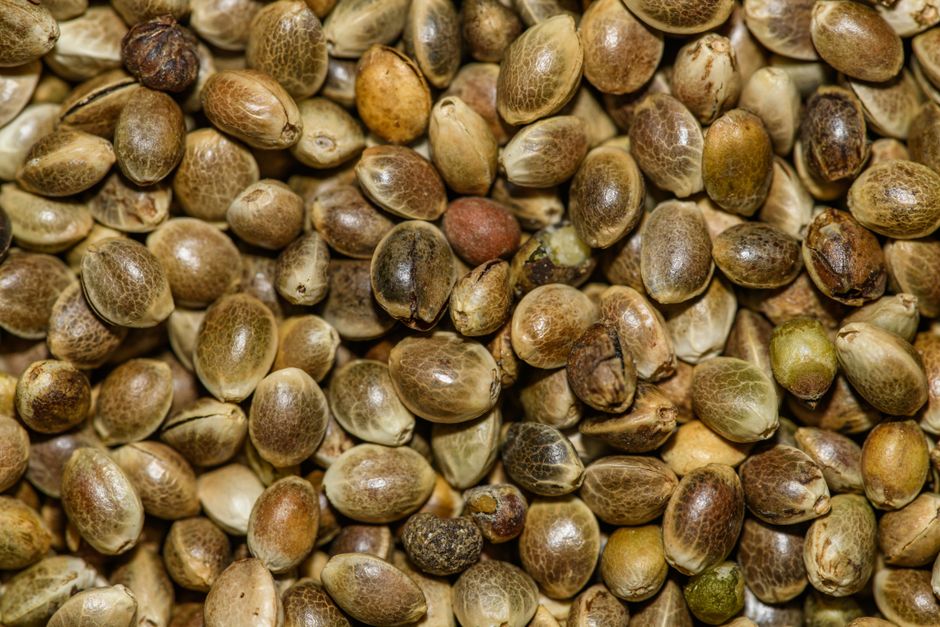
Hemp seed oil comes from pressing hemp seeds, not from the leaves or flowers of the plant. It is a natural moisturizer that works well for many skin types, including dry and sensitive skin. To use it, apply a few drops to clean, damp skin and gently massage it in, or mix it into your regular moisturizer. You can use it daily, but start with a small amount to see how your skin responds.
What Is Hemp Seed Oil and How Does It Work on Skin?
Hemp seed oil is a plant oil extracted from the seeds of the hemp plant, a variety of Cannabis sativa. It is important to know that hemp seed oil is not the same as CBD oil. CBD oil comes from the leaves, flowers, and stalks of the plant. Hemp seed oil comes only from the seeds. It contains no significant amount of cannabinoids like CBD or THC.
The oil is rich in fatty acids. It contains a good balance of omega-6 and omega-3 fatty acids, which are essential fats your body cannot make on its own. Your skin needs these fats to build healthy cell membranes and maintain its natural moisture barrier. When the skin barrier is strong, it holds water in and keeps irritants out.
Hemp seed oil also contains vitamin E and other antioxidants. These compounds can help protect skin cells from damage caused by free radicals, which are unstable molecules that come from sun exposure and pollution. This protection does not reverse aging, but it can support overall skin health over time.
How To Use Hemp Seed Oil For Skin: Step-by-Step
Using hemp seed oil is straightforward, but how you apply it matters. The oil is lightweight and absorbs quickly, but it still needs the right conditions to work well.
Follow these steps for best results:
- Cleanse your face first. The oil cannot penetrate through dirt, makeup, or excess oil. Wash your face with a gentle cleanser and pat it dry with a clean towel.
- Apply to slightly damp skin. Damp skin absorbs oils better than dry skin. After cleansing, leave a little water on your face or use a light facial mist.
- Use a small amount. Start with two to three drops. Rub the oil between your palms to warm it, then press it gently onto your face and neck. Do not rub vigorously.
- Follow with moisturizer if needed. Hemp seed oil acts as an occlusive, meaning it seals in moisture. If your skin is very dry, apply your regular moisturizer first, then the oil on top.
- Use once or twice daily. Many people use it in the evening as part of their night routine. You can also use it in the morning before sunscreen.
For the body, use the same approach. Apply the oil right after a shower while your skin is still damp. This helps lock in hydration, especially on elbows, knees, and other dry areas.
You can also mix a few drops of hemp seed oil into your daily moisturizer or body lotion. This is an easy way to add the oil to your routine without changing everything else.
Can Hemp Seed Oil Help With Acne and Oily Skin?
People with oily or acne-prone skin often avoid oils, but hemp seed oil is different from many others. It is considered non-comedogenic, meaning it is unlikely to clog pores. The oil is lightweight and does not leave a heavy residue.
One reason hemp seed oil may help acne is its fatty acid profile. Linoleic acid, which is an omega-6 fatty acid, is a key component of the oil. Some research suggests that people with acne have lower levels of linoleic acid in their skin. Replacing this fatty acid may help reduce inflammation and improve skin barrier function.
However, the evidence for hemp seed oil specifically treating acne is limited. Most of the research has been done on the components of the oil or on animal models, not on human acne patients. Some dermatologists recommend it as a gentle moisturizer for acne-prone skin, but it is not a proven acne treatment.
If you have active acne, do not expect hemp seed oil to clear it. It may help calm redness and keep your skin hydrated, but it should not replace proven acne treatments like benzoyl peroxide or salicylic acid. If you are using prescription acne medication, check with your dermatologist before adding any new product to your routine.




Is Hemp Seed Oil Good for Eczema and Dry Skin Conditions?
Dry skin conditions like eczema involve a damaged skin barrier. The skin loses water too quickly, which leads to dryness, itching, and flaking. Hemp seed oil may help because it provides the fatty acids the skin needs to rebuild that barrier.
Some research has looked at hemp seed oil for eczema specifically. A small clinical study published in the Journal of Dermatological Treatment examined dietary hemp seed oil in people with eczema. The study found improvements in skin dryness and itchiness. It is important to note that the oil was consumed orally in that study, not applied to the skin.
Topical use of hemp seed oil for eczema is based more on its known properties than on direct clinical trials. The oil is rich in linoleic acid, which is a component of ceramides, the building blocks of the skin barrier. Applying it topically makes biological sense, but large human studies are limited.
For people with mild dry skin, hemp seed oil can be a useful moisturizer. For people with active eczema flare-ups, it may provide some relief, but it is not a substitute for prescribed treatments like topical corticosteroids. If your eczema is moderate to severe, talk to your doctor about the best treatment plan.
Is Hemp Seed Oil Safe for All Skin Types?
Hemp seed oil is generally well tolerated. It is a plant oil, so it carries a small risk of allergic reaction, especially if you are allergic to other seeds or nuts. Before using it on your face, do a patch test. Apply a small amount to the inside of your forearm and wait 24 hours. If you see redness, itching, or swelling, do not use it on your face.
People with very sensitive skin or conditions like rosacea should introduce the oil slowly. Start with a small amount once every other day to see how your skin reacts. Hemp seed oil is not known to be irritating, but every person’s skin is different.
Hemp seed oil is safe to use around the eyes, but be careful not to get it in your eyes. If it stings, rinse with water.
It is also safe for use during pregnancy when applied to the skin. However, if you are pregnant and considering any new skincare product, it is always wise to mention it to your healthcare provider.
What To Look For When Buying Hemp Seed Oil
Not all hemp seed oil products are the same. The quality of the oil affects how well it works and how safe it is for your skin.
Choose cold-pressed, unrefined hemp seed oil. Cold pressing preserves the fatty acids and antioxidants. Refined oils go through processing that strips away many of these beneficial compounds. Look for dark glass bottles. Light degrades the oil and can make it go rancid faster.
Check the ingredient list. Pure hemp seed oil should have only one ingredient. If you are buying a skincare product that contains hemp seed oil, it should be listed near the top of the ingredient list. If it is listed last, the product likely contains only a tiny amount.
Hemp seed oil has a limited shelf life. It can go rancid, especially if stored in a warm or bright place. Keep it in a cool, dark cabinet. If the oil smells bitter or like old nuts, it has gone bad and should be thrown out.
Be skeptical of marketing claims. Some products are labeled as “hemp oil” but are actually hemp extract or CBD oil. These are different products with different uses. If a product claims to contain CBD, check the label for the amount of CBD in milligrams. Hemp seed oil will not contain CBD.
Hemp Seed Oil vs. Other Facial Oils
Hemp seed oil is one of many plant oils used in skincare. Comparing it to others can help you decide if it fits your needs.
| Oil | Main Fatty Acid | Best For | Comedogenic Rating |
|---|---|---|---|
| Hemp seed oil | Linoleic acid (omega-6) | Dry, sensitive, acne-prone skin | Low |
| Jojoba oil | Wax esters | Oily skin, mimics skin sebum | Low |
| Argan oil | Oleic acid (omega-9) | Dry, aging skin | Low |
| Coconut oil | Lauric acid | Very dry body skin | High |
The comedogenic rating is a scale from 0 to 5 that estimates how likely an oil is to clog pores. A rating of 0 means it does not clog pores. A rating of 5 means it is highly likely to clog. Hemp seed oil has a rating of 0 to 1, meaning it is unlikely to clog pores.
Coconut oil has a higher rating and is more likely to clog pores on the face. It can still be useful for very dry skin on the body, but it is not the best choice for facial use.
Jojoba oil is unique because it is technically a wax ester, not an oil. It closely resembles human sebum, the natural oil your skin produces. This makes it a good choice for oily skin, as it can help balance oil production.
There is no single best oil for everyone. The right choice depends on your skin type and your personal preference for how an oil feels on your skin.
Are There Any Side Effects or Risks?
Hemp seed oil is safe for most people when used on the skin. Side effects are rare, but they can happen.
The most common issue is a mild allergic reaction. Symptoms include redness, itching, or a rash at the application site. If this happens, stop using the oil and wash your face with a mild cleanser.
If you have a known allergy to seeds or nuts, talk to your doctor before using hemp seed oil. Hemp seeds are not tree nuts, but cross-reactivity is possible in rare cases.
Using too much oil can leave your skin feeling greasy. This is not harmful, but it may cause temporary clogged pores if you apply an excessive amount. A few drops are enough for the entire face.
Hemp seed oil does not interact with medications when used on the skin. It is not absorbed into the bloodstream in significant amounts. This is different from consuming the oil orally, which can affect how your body absorbs certain medications.
Frequently Asked Questions
Can I leave hemp seed oil on my skin overnight?
Yes, you can leave hemp seed oil on your skin overnight. Apply a thin layer after cleansing and let it absorb before you go to bed.
Does hemp seed oil clog pores?
Hemp seed oil has a low comedogenic rating, meaning it is unlikely to clog pores. It is generally considered safe for acne-prone skin.
How long does it take for hemp seed oil to work on skin?
You may notice softer, more hydrated skin within a few days of regular use. Changes in skin barrier health can take several weeks to become visible.
Can I use hemp seed oil with other skincare products?
Yes, hemp seed oil combines well with most skincare products. Apply it after water-based serums and before heavier creams to lock in moisture.
