
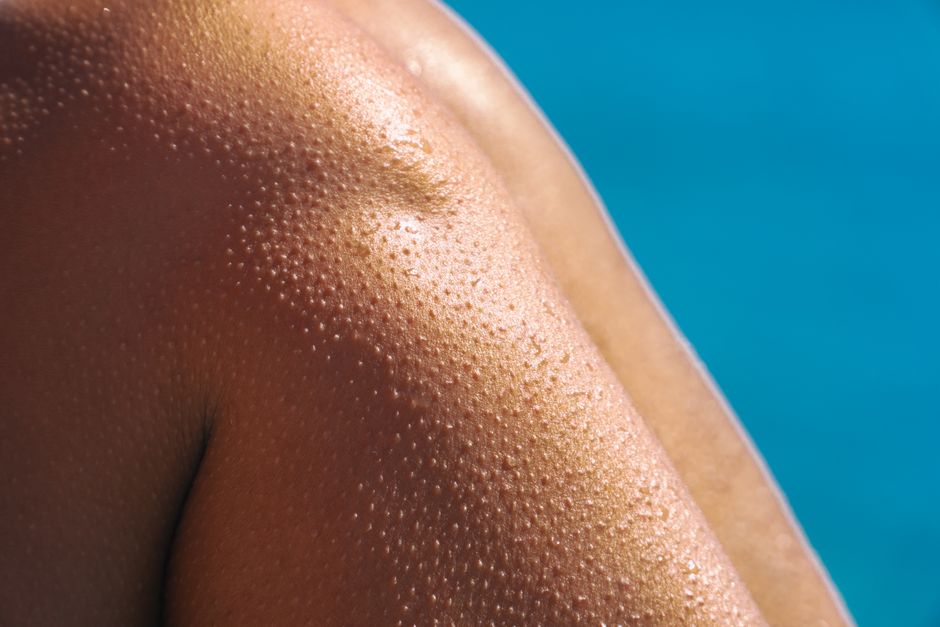
The most common human skin color worldwide is a range of brown shades. Not a single color, but a broad spectrum of light to dark brown tones. This surprises many people because skin color varies so much from place to place. But when you count every person on Earth, the majority fall somewhere within that brown range.
What Is The Most Common Human Skin Color?
If you lined up every person on the planet, most would have skin that falls within the brown spectrum. The specific shade would range from very light brown to very dark brown.
This is not a matter of opinion. It reflects where most people live. The majority of the world’s population lives in Africa, South Asia, Southeast Asia, and East Asia. In these regions, darker skin tones are the norm.
Lighter skin tones are concentrated in Europe and parts of East Asia. But these regions hold a smaller share of the global population. So when you look at the entire human family, brown skin is the majority.
Why Did Human Skin Color Evolve Differently Around the World?
Skin color evolved as a balance between two competing needs. The body needs folate. It also needs vitamin D. These two needs pull in opposite directions when it comes to melanin.
Melanin is the pigment that gives skin its color. It comes in two main forms. Eumelanin produces brown and black tones. Pheomelanin produces red and yellow tones. The mix and amount of these pigments determine your skin color.
Near the equator, sunlight is intense year-round. High melanin levels protect folate from being broken down by ultraviolet radiation. Folate is essential for DNA synthesis and cell division. Low folate during pregnancy is linked to neural tube defects, which are serious birth defects affecting the brain and spine.
But high melanin also slows vitamin D production. The body makes vitamin D when skin is exposed to ultraviolet B light. Farther from the equator, sunlight is weaker and less consistent. Lighter skin allows more UVB to penetrate, supporting vitamin D synthesis in low-sunlight conditions.
This push and pull is one of the best-understood examples of recent human evolution. Research on the genetics of pigmentation has identified multiple genes involved, including MC1R, SLC24A5, and others. Different populations evolved lighter skin through different genetic changes. That tells us lighter skin evolved more than once, independently, in different parts of the world.
How Does Melanin Actually Work in the Skin?
Melanin is produced by specialized cells called melanocytes. These cells sit in the base layer of your epidermis, the outer layer of skin. Melanocytes package melanin into small structures called melanosomes. These melanosomes are then transferred to surrounding skin cells.
The melanin sits over the cell nucleus like a tiny umbrella. It absorbs and scatters ultraviolet radiation before it can damage DNA. This is why darker skin provides more natural protection against sunburn and some forms of skin damage.
But the protection is not absolute. People with dark skin can still get sunburned and can still develop skin cancer. The risk is lower, but it is not zero. This is a point that gets lost in casual conversation about skin color.
Everyone has roughly the same number of melanocytes. What differs is how much melanin those cells produce and how it is distributed. That is why skin color is a spectrum, not a set of distinct categories.
Is Skin Color a Good Way to Define Race?
No. Skin color and race are not the same thing, and skin color is a poor biological marker for grouping people.
Human genetic variation is gradual across geography. There are no sharp genetic boundaries between populations. Two people with similar skin color can be more genetically different from each other than either is from someone with a very different skin tone.
Geneticists have found that most human genetic variation exists within any given population, not between populations. Skin color is controlled by a relatively small number of genes compared to the thousands of genes that vary across the genome. Using one visible trait to define broad groups misses almost all of that variation.
Race is better understood as a social category with real consequences for health and opportunity. It is not a reliable biological classification. This distinction matters in medicine because some health conditions are more common in certain populations for genetic, environmental, and social reasons. But skin color alone does not tell a doctor what those risks are.
What Determines Your Individual Skin Color?
Your skin color comes from your genes, but the relationship is not simple. Multiple genes influence how much melanin your melanocytes produce and what type.
Here is a quick look at the main factors:
- Genetics: Multiple genes control melanin type, amount, and distribution. No single gene determines your skin color.
- Melanin type: More eumelanin means darker skin. More pheomelanin means lighter skin with red or yellow tones.
- Melanosome size and number: Larger, more numerous melanosomes produce darker skin.
- Sun exposure: UV light stimulates melanin production, causing a tan. This is a temporary change.
- Hormones: Hormonal changes during pregnancy or certain medical conditions can darken skin.
- Age: Skin can change over time due to sun damage and other factors.
Two siblings can have noticeably different skin tones. That is normal. The genetic system is complex, and small differences in gene variants can produce visible differences in color.
Does Skin Color Affect Health?
Skin color affects how much UV radiation reaches deeper skin layers. That has real health implications, but they run in both directions.
Darker skin has more natural protection against UV damage. This lowers the risk of sunburn and some skin cancers. But it does not eliminate risk. People with darker skin can develop skin cancer, sometimes in areas that get little sun exposure, like the palms, soles, and under the nails. These cancers are often diagnosed later because they are not expected.
Lighter skin burns more easily and has a higher risk of UV-related skin damage. This increases the risk of basal cell carcinoma, squamous cell carcinoma, and melanoma.
There is another side. People with darker skin who live in higher latitudes may be at greater risk of vitamin D deficiency. Melanin reduces vitamin D synthesis from sunlight. In places with limited UVB for much of the year, this can matter. Some researchers and clinicians recommend vitamin D supplementation for people with darker skin in low-sunlight regions, though recommendations vary.
Skin color also influences how some medications work and how certain skin conditions appear. For example, erythema, the redness that signals inflammation, can look different on darker skin. This can make some conditions harder to recognize, even for experienced clinicians.
What About Skin Color Changes Over a Lifetime?
Your baseline skin color is set by genetics, but it can shift over time. Sun exposure is the biggest external factor. Cumulative UV exposure causes tanning, freckling, and eventually uneven pigmentation.
Hormonal changes can also alter skin color. Melasma, a condition that causes dark patches on the face, is more common in women and is linked to hormonal shifts, including pregnancy and use of hormonal contraceptives.
Certain medical conditions can change skin color too. Addison’s disease can darken skin, especially in creases and areas exposed to sun. Liver conditions can cause a yellow tint. These are signs of underlying issues and warrant medical evaluation.
Changes in skin color that happen without a clear reason, or that come with other symptoms, should be checked by a doctor. Most changes are harmless, but some are not.
Why Does Skin Color Matter Beyond Biology?
Skin color has social meaning that goes far beyond melanin. Throughout history, people have assigned value and status to skin color. Those social meanings have real effects on health.
Research consistently shows that discrimination and stress linked to skin color can affect health outcomes. Chronic stress affects blood pressure, immune function, and mental health. These effects are documented in public health research.
Understanding skin color as a biological spectrum, not a set of fixed categories, helps cut through some of that. It also helps in medicine. When clinicians understand that skin conditions look different across the spectrum, they diagnose more accurately.
The biology is clear. Skin color is a continuous trait shaped by evolution, genetics, and environment. The most common color worldwide is brown, in all its shades. That is not a political statement. It is a description of human variation.
Frequently Asked Questions
What is the most common skin color in the world?
The most common skin color worldwide is brown, spanning a wide range of light to dark shades. This reflects the fact that most of the global population lives in regions where darker skin tones are typical.
Is white skin or brown skin more common globally?
Brown skin is more common globally. Lighter skin tones are concentrated in Europe and parts of East Asia, which together hold a smaller share of the world’s population than Africa, South Asia, and Southeast Asia.
Did all humans originally have dark skin?
Yes. Evidence from genetics and anthropology indicates that early humans had darker skin, and lighter skin evolved later as groups migrated to regions with less sunlight. Lighter skin evolved independently in different populations.
Can skin color change over a person’s lifetime?
Yes. Sun exposure, hormones, and certain medical conditions can change skin color over time. These changes are usually gradual and may be temporary or permanent depending on the cause.
