
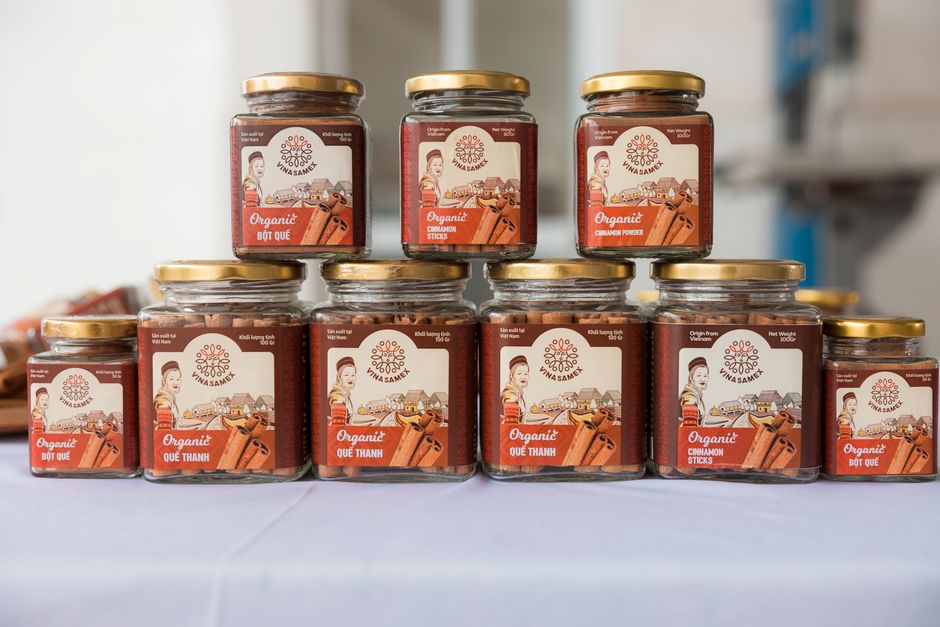
Cinnamon is one of the most common spices in American kitchens, and it has become one of the most popular supplements too. Used as a seasoning, cinnamon powder is generally recognized as safe. Used in large daily doses as a supplement, it carries a real and specific risk that most people have never heard of: a compound called coumarin, which can harm the liver in high amounts. The single most important safety step is choosing the right type of cinnamon and keeping supplement-style doses modest.
What Is the Difference Between Ceylon and Cassia Cinnamon?
There are two main types of cinnamon sold in the United States, and they are not interchangeable when it comes to safety.
Ceylon cinnamon, sometimes called “true cinnamon,” comes mainly from Sri Lanka. It has a lighter, more delicate flavor and much lower levels of coumarin. Cassia cinnamon is what most grocery stores sell as plain “cinnamon.” It is darker, stronger, and far cheaper. It also contains substantially more coumarin.
This distinction matters because coumarin is the compound behind the main safety concern with cinnamon supplements. Cassia is the type most people are eating without knowing it.
If you see “Saigon cinnamon” or “Vietnamese cinnamon” on a label, that is a cassia variety. So is “Korintje.” Ceylon is usually labeled clearly as Ceylon or Sri Lankan cinnamon. If a label just says “cinnamon,” assume it is cassia unless stated otherwise.
How Much Cinnamon Powder Is Considered Safe?
For cinnamon used as a food seasoning, typical amounts are not a concern. The issue arises with concentrated daily intake, especially in supplement form.
Health agencies in Europe have set a tolerable daily intake for coumarin of 0.1 milligrams per kilogram of body weight. For a 150-pound adult, that works out to about 6.8 milligrams of coumarin per day. Cassia cinnamon contains variable but often high levels of coumarin, and the amount varies widely by batch and source. Because of that variability, it is not possible to give a precise gram amount of cassia that is safe for everyone.
Ceylon cinnamon contains far less coumarin, which is why it is the preferred type for anyone taking cinnamon regularly or in larger amounts.
A few practical points:
- Using a pinch or two of cinnamon on oatmeal or in coffee is not a coumarin concern.
- Taking a daily cinnamon supplement is a different situation and deserves more caution.
- If you take cinnamon daily for weeks or months, Ceylon is the safer choice.
- Cassia is fine for occasional cooking. It is the high daily dose that creates the issue.
One point that often gets lost: the coumarin level in cassia is not consistent. Two jars of cassia from different brands can differ several-fold. That unpredictability is part of why regulators focus on the compound itself rather than a simple spoon count.
Can Cinnamon Powder Help With Blood Sugar?
This is the claim that drives most cinnamon supplement sales, and the evidence is genuinely mixed.
Some studies have found modest improvements in fasting blood glucose in people with type 2 diabetes who took cinnamon. Other studies, including some larger and better-controlled ones, found no meaningful effect. Results vary by cinnamon type, dose, and population, and no consistent benefit has been established.
What the research does not support is cinnamon as a treatment for diabetes or as a replacement for medication. No major clinical guideline recommends cinnamon for blood sugar control. If you have diabetes and want to try cinnamon, that is a conversation to have with your doctor, not a reason to change your medication.
This is a good example of biological plausibility not equaling proven benefit. Cinnamon does contain compounds that affect cells in laboratory studies. That is not the same as demonstrated clinical benefit in people.





What Are the Real Risks of Cinnamon Supplements?
The main documented risk is liver damage from high coumarin intake, particularly from cassia cinnamon taken in large or long-term doses. Coumarin is metabolized in the liver, and some people are more susceptible than others based on genetics and existing liver conditions.
People who should be especially cautious with cassia supplements include:
- Anyone with existing liver disease
- People who drink alcohol heavily
- Anyone taking medications that stress the liver
- People taking blood-thinning medication, since coumarin has mild blood-thinning properties
Cinnamon can also interact with certain medications, including some diabetes drugs and blood thinners. Cassia in particular contains coumarin, which is chemically related to the prescription blood thinner warfarin. Combining the two is not something to do casually.
For most healthy adults using cinnamon as a spice, these risks are not a real concern. The risk profile changes when cinnamon becomes a daily supplement habit.
How Should You Choose and Store Cinnamon Powder?
If you want cinnamon for flavor, any type works. If you want it for regular or higher-dose use, choose Ceylon.
When buying, look for the specific type on the label. “Ceylon cinnamon” or “Cinnamomum verum” tells you what you are getting. A generic “cinnamon” label usually means cassia. Price is a rough clue too: Ceylon typically costs more because it is less common.
For storage, keep cinnamon powder in a sealed container away from heat, light, and moisture. Ground spices lose potency over time. They do not typically spoil in a way that makes them dangerous, but they do fade in flavor. A cool, dark cabinet is fine. There is no need to refrigerate cinnamon powder.
How To Use Cinnamon Powder Safely And Effectively
Used as a seasoning, cinnamon is a low-risk way to add flavor without salt or sugar. That is its most reliable benefit, and it is a genuinely useful one for anyone watching sodium or added sugar.
For regular or supplemental use, a few principles hold up:
- Choose Ceylon cinnamon if you use it daily or in larger amounts.
- Keep doses modest. There is no established clinical dose for cinnamon as a supplement, so treat any specific gram recommendation with skepticism.
- Do not use cinnamon to replace prescribed medication for diabetes or any other condition.
- Talk to a doctor before starting daily cinnamon if you have liver disease, take blood thinners, or take diabetes medication.
- Stop and seek medical advice if you notice symptoms like unexplained fatigue, dark urine, or yellowing of the skin or eyes while taking cinnamon supplements.
The honest summary is this: cinnamon is a safe, enjoyable spice. As a supplement, the evidence for benefit is weak and the coumarin risk from cassia is real. Use it for flavor freely. Use it as a supplement with clear eyes and the right type.
Frequently Asked Questions
Is it safe to eat cinnamon powder every day?
Yes, small amounts used as a food seasoning are not a safety concern for most people. The concern applies to large daily doses, especially cassia cinnamon in supplement form, because of coumarin and its effect on the liver.
Which cinnamon is safer, Ceylon or cassia?
Ceylon cinnamon is safer for regular or higher-dose use because it contains far less coumarin than cassia. Cassia is fine for occasional cooking but is the type linked to liver concerns when taken in large daily amounts.
Does cinnamon lower blood sugar?
Some studies suggest a modest effect on fasting blood glucose, but results are mixed and no major guideline recommends cinnamon for blood sugar control. It should never replace prescribed diabetes medication.
Can cinnamon interact with medications?
Yes. Cassia cinnamon contains coumarin, which has mild blood-thinning properties and can interact with blood thinners and some diabetes drugs. Talk to your doctor before using cinnamon supplements if you take either.
