
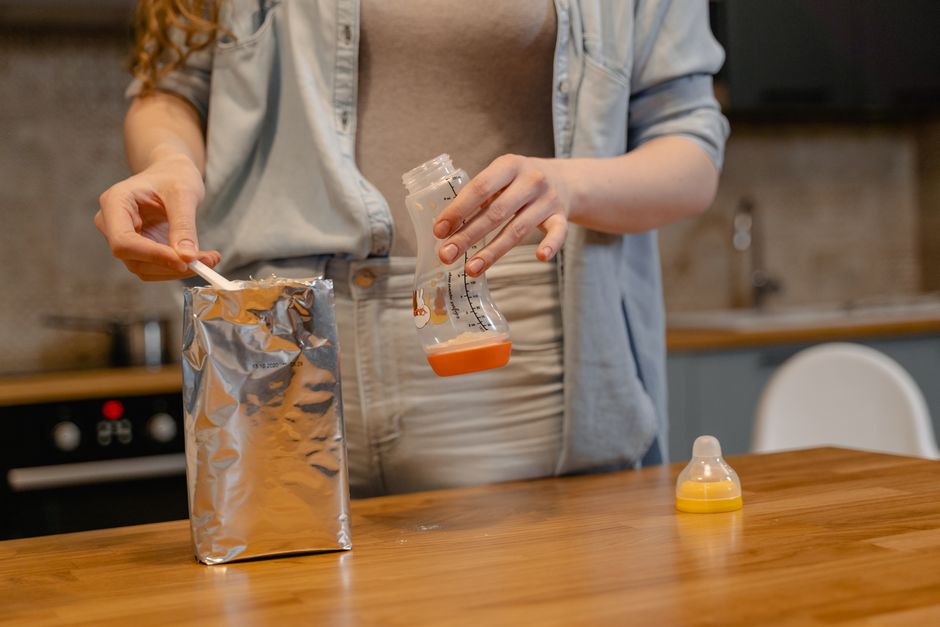
If you find a can or bag of powdered milk past its date, the first thing to know is that the date on the package is usually a quality date, not a safety deadline. In most cases, dry milk powder stored properly stays safe to eat well past that printed date. What changes is flavor, how easily it dissolves, and how well it works in cooking or baking. So the honest answer to what you can do with it is: use it in cooked and baked foods where slight staleness will not show, or throw it out if it smells off or has clumped from moisture.
Is Expired Milk Powder Actually Unsafe?
No, not automatically. Dry milk powder is a low-moisture product, and low moisture is what keeps bacteria and mold from growing. As long as the powder stays dry, it does not support the kind of microbial growth that makes fresh milk spoil.
This is the key difference between powdered milk and liquid milk. Liquid milk is a moist, nutrient-rich environment where bacteria multiply quickly, which is why its date matters more. Powdered milk lacks that free water. The main risk comes from moisture getting in after the package is opened.
Two things can go wrong:
- Moisture contamination. If water gets in — from a wet spoon, a humid kitchen, or a torn package — clumps form and mold or bacteria can grow in those damp spots.
- Oxidation. Over a long time, the fat in the powder reacts with oxygen and goes rancid. This affects taste and smell, not safety in the way spoiled fresh milk does.
So the real question is not “is it expired” but “is it still dry and does it smell normal.” A powder that is dry, free-flowing, and smells like milk is generally fine to use. A powder that is caked solid, smells sour or paint-like, or has changed color should be discarded.
What Can I Do With Expired Milk Powder?
Use it anywhere the milk is cooked or baked and a slight change in flavor will not be noticed. Heat masks mild staleness, and in most recipes the milk is a minor player rather than the star.
Good uses include:
- Baking. Breads, muffins, pancakes, biscuits, and cakes all work well. The powder rehydrates during mixing and baking.
- Soups and sauces. Add it to creamy soups, white sauces, or gravy for body and richness.
- Hot cereal. Stir into oatmeal, grits, or cream of wheat while cooking.
- Casseroles. Many savory casseroles call for milk; reconstituted powder works fine here.
- Homemade yogurt or cheese. If you already make these, older powder can still work, though results vary with how old it is.
- Smoothies. A small amount blends in without much effect on taste, though very old powder may taste flat.
What you should not do is drink it straight as a glass of milk or use it in a recipe where the milk flavor is front and center, like a plain custard or pudding. That is where staleness shows. And never use powder that smells rancid or has been wet, no matter what you plan to make.
How Long Does Powdered Milk Really Last?
Unopened dry milk powder generally keeps far longer than the date on the label suggests, especially if stored cool and dry. The printed date is set by the manufacturer as a quality marker, not a point after which the product becomes unsafe.
Storage conditions matter more than the calendar:
- Unopened, cool and dry. Lasts well beyond the printed date in most cases, often for years.
- Opened, in a sealed container. Best used within a few months for good flavor, though it stays safe longer if kept dry.
- Warm or humid storage. Deteriorates faster. Heat speeds up the fat going rancid, and humidity causes clumping.
The USDA notes that foodborne illness comes from contamination and temperature abuse, not from a date passing. That is why the smell-and-look test matters more than the number on the can. If the powder looks and smells normal, the date alone is not a reason to throw it away.
One clarification worth making: “expired” on a milk powder label usually does not mean “use by” in a safety sense. Manufacturers use different phrases — “best by,” “sell by,” “use by” — and they do not all mean the same thing. For shelf-stable dry goods, most of these are quality dates.





How Do You Tell If Milk Powder Has Gone Bad?
Trust your senses. Dry milk powder gives clear signals when it has turned, and those signals are more reliable than the printed date.
Signs it should be discarded:
- A sour, bitter, or paint-like smell. This usually means the fat has gone rancid.
- Hard clumps or a solid brick. Moisture got in, and mold or bacteria may be present.
- Discoloration. Yellow or brown patches that were not there before suggest spoilage or oxidation.
- Visible mold. Discard the whole package. Do not try to scoop around it.
Signs it is probably still fine:
- It pours and flows freely like a dry powder.
- It smells mildly of milk, with nothing sharp or off.
- The color is the same off-white or cream it was when you opened it.
When in doubt, throw it out. The cost of a bag of milk powder is not worth a bout of foodborne illness, even if the odds are low for a dry product.
Does Expired Milk Powder Lose Nutrition?
Some vitamins decline over time, but the main nutrients hold up well. The protein, fat, and minerals in milk powder are stable and do not break down quickly with age. What degrades faster is vitamin content, particularly certain vitamins that are sensitive to light, heat, and oxygen.
This matters less than it sounds. If you are using the powder as an ingredient in baking or cooking, the small drop in vitamins is not a concern for most people eating an otherwise varied diet. If you were relying on powdered milk as a primary source of a specific vitamin, that would matter more — but that is an unusual situation.
The bigger change with age is flavor and how well it dissolves, not its basic nutritional value. Rancid fat is the real quality problem, and rancidity is about taste and smell, not a loss of protein or calcium.
How Should You Store Milk Powder to Make It Last?
Keep it dry, cool, and sealed. Those three things do more to extend shelf life than anything else.
- Keep it dry. Always use a completely dry spoon. Never let water or a wet utensil touch the powder.
- Keep it cool. A pantry away from the stove, oven, or a sunny window is better than a warm shelf.
- Keep it sealed. Transfer opened powder to an airtight container, or reseal the original bag tightly.
- Skip the fridge for opened powder. Moving it in and out of the fridge causes condensation, which adds moisture. A cool, dry pantry is usually the better choice.
Label the container with the date you opened it. That gives you a real reference point instead of the printed date, which only tells you when it left the factory.
Frequently Asked Questions
Can you use milk powder after its expiration date?
Yes, in most cases, if it has stayed dry and smells normal. The printed date is usually a quality marker, not a safety deadline for a dry product.
How can you tell if powdered milk has gone bad?
A sour or paint-like smell, hard clumps, discoloration, or visible mold mean you should discard it. Dry, free-flowing powder that smells like milk is generally fine to use.
Is expired milk powder safe to drink?
It is safe if it stayed dry and shows no signs of spoilage, but the flavor may be flat or stale. For that reason it works better in cooked or baked foods than as a plain drink.
Does powdered milk lose its nutrition after the expiration date?
Protein, fat, and minerals stay stable, while some vitamins decline slowly over time. The bigger change with age is flavor and how well it dissolves, not its basic nutritional content.
