

Estrogen is not a toxin, and “getting rid of it” is not a goal your body is designed for. It is a hormone your body needs for bone strength, brain function, heart health, and reproductive tissue. The real question behind most searches on this topic is usually about estrogen dominance — a situation where estrogen is high relative to progesterone, or where the liver and gut are not clearing used estrogen efficiently. You cannot eliminate estrogen, and you should not try. What you can do is support the normal pathways your body already uses to metabolize and excrete it, and avoid things that push the balance out of range.
What Does Estrogen Dominance Actually Mean?
Estrogen dominance is not a formal diagnosis with a fixed lab cutoff. It is a clinical description of a pattern — symptoms that suggest estrogen is acting without enough progesterone to balance it.
This can happen in several distinct ways, and they are not the same problem:
- Estrogen is normal but progesterone is low (common in the years before menopause)
- Estrogen is genuinely high (less common, and usually has a specific cause)
- Estrogen is normal but the liver and gut are clearing it slowly
- Estrogen is normal but you are more sensitive to it than before
This matters because the fix is different for each. Someone with low progesterone does not have the same situation as someone whose liver is sluggish at processing estrogen. A single “estrogen detox” protocol applied to all four scenarios will help some people and do nothing for others.
Common symptoms attributed to this pattern include breast tenderness, heavy periods, bloating, mood swings, weight gain around the hips and abdomen, and worsening PMS. Many of these overlap with thyroid problems, perimenopause, and plain stress. That overlap is why self-diagnosis is unreliable.
How Does Your Body Clear Estrogen Naturally?
Your body clears estrogen through a three-stage process in the liver, then sends the waste out through bile and stool. This is not a metaphor. It is a specific biochemical pathway.
In phase one, liver enzymes called cytochrome P450 convert estrogen into intermediate forms. Some of these intermediates are more reactive than estrogen itself. In phase two, those intermediates get tagged with molecules like glucuronic acid or sulfate so they can travel safely in bile. In phase three, the tagged waste is pumped into bile and released into the gut.
Here is the part most people miss. Once estrogen reaches the gut, it is not automatically gone. Gut bacteria produce an enzyme called beta-glucuronidase that can cut the tag off, freeing estrogen to be reabsorbed back into the bloodstream. This is called enterohepatic recirculation. If your gut transit is slow or your bacterial balance is off, you can recycle the same estrogen multiple times.
That is why constipation matters more than most people realize for hormone balance. It is not a vague wellness claim — it is basic physiology. Estrogen sitting in the colon longer means more opportunity for reabsorption.
What Foods and Habits Support Estrogen Balance?
No food removes estrogen. Certain foods support the liver and gut pathways that clear it, and the evidence for these is reasonable but not dramatic.
Fiber is the most consistently supported. Soluble fiber binds to estrogen in the gut and carries it out in stool. Research has found that higher fiber intake is associated with lower circulating estrogen levels. Oats, beans, lentils, flaxseed, and vegetables are practical sources. Most adults fall short of recommended fiber intake.
Cruciferous vegetables — broccoli, cauliflower, cabbage, Brussels sprouts — contain compounds called indoles and glucosinolates. Some studies suggest these support phase two liver processing. The human evidence is modest, and eating broccoli will not override a hormonal problem. But it is a reasonable part of a balanced diet.
Flaxseed contains lignans, which are phytoestrogens. This sounds counterintuitive — why eat estrogen-like compounds to lower estrogen? Lignans are much weaker than your own estrogen and can compete for receptor binding. Some research indicates flaxseed may modestly reduce estrogen activity. The effect is small.
Alcohol is the clearest thing to reduce. The liver prioritizes alcohol metabolism over estrogen clearance. Regular drinking also raises estrogen levels directly in some studies. If you are trying to support estrogen balance, cutting back on alcohol does more than most supplements.
Body fat matters because fat tissue produces estrogen through an enzyme called aromatase. More fat tissue means more aromatase activity. This is one of the better-established links between weight and hormone levels.




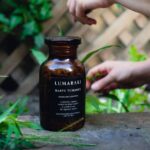
Do Supplements Like DIM or Calcium-D-Glucarate Work?
The honest answer is that the evidence is thin. DIM (diindolylmethane) is a compound derived from cruciferous vegetables. It is widely sold for estrogen balance. Most of the human research is small, short, and often conducted in specific populations rather than general adults.
Calcium-D-glucarate is marketed to block beta-glucuronidase and reduce estrogen reabsorption. The theory is coherent — the enzyme does exist and does recycle estrogen. But whether an oral supplement meaningfully changes that in a real human body is not well established by large trials.
This is a place where biological plausibility has been treated as proof. A mechanism existing in a lab dish is not the same as a demonstrated clinical benefit in people. If a product claims to “flush estrogen” or “detox your hormones,” no study has confirmed that outcome.
Some clinicians recommend these supplements anyway, based on the mechanism and patient reports. That is common practice, not strong evidence. There is a real difference between the two, and it is fair to know which one you are relying on.
What Lifestyle Factors Raise Estrogen?
Several everyday factors can push estrogen higher or slow its clearance. Addressing these is usually more effective than adding supplements.
- Alcohol — slows liver clearance and can raise circulating estrogen
- Excess body fat — increases aromatase activity and estrogen production
- Chronic constipation — increases estrogen reabsorption from the gut
- Poor sleep and chronic stress — disrupt the hormonal signals that regulate the whole system
- Certain medications — some hormonal contraceptives and hormone therapies contain estrogens by design
Stress deserves a specific note. Chronic stress raises cortisol, and cortisol and progesterone share a precursor molecule called pregnenolone. When the body is under sustained stress, it can shift production toward cortisol. In some people this may leave less raw material for progesterone. The relationship is real in physiology, though how much it matters for any one person’s symptoms is not precisely known.
There is also a class of chemicals called xenoestrogens — industrial compounds that can mimic estrogen weakly. Bisphenol A (BPA) is the best known. Reducing exposure from plastic food containers and canned linings is reasonable, though the measured effect on human hormone levels from typical everyday exposure is debated.
When Should You See a Doctor Instead of Self-Treating?
If your symptoms are significant, self-treatment is the wrong first step. Hormone symptoms overlap heavily with conditions that need actual diagnosis.
See a clinician if you have:
- Very heavy or prolonged periods
- Breast lumps or unusual discharge
- Unexplained weight change
- Symptoms that interfere with daily life
- Any bleeding after menopause
A doctor can check estrogen, progesterone, thyroid function, and other markers. Testing has real limits — hormone levels fluctuate widely across a cycle, so a single blood draw can mislead. Saliva and urine testing are used by some practitioners but are not standardized across labs. No test perfectly captures “estrogen dominance” as a concept.
The safest path is usually to address the well-established factors — alcohol, fiber, body weight, sleep, constipation — while getting proper medical input on anything that looks like a real disorder. Natural approaches and medical care are not opposites. They work best together.
Frequently Asked Questions
Can you actually get rid of estrogen from your body?
No, and you should not try. Estrogen is essential for bone, brain, and heart health. The goal is to support your body’s normal clearance pathways and keep estrogen in balance with progesterone, not to eliminate it.
What is the fastest natural way to lower estrogen?
Reducing alcohol and increasing fiber intake are the two changes with the most consistent supporting evidence. Both act on the liver and gut pathways your body already uses to clear used estrogen.
Does DIM really lower estrogen?
The evidence is limited. DIM is widely sold for this purpose, but most human studies are small and short. No large trial has confirmed it meaningfully lowers estrogen in general adults.
Can constipation affect estrogen levels?
Yes. Gut bacteria can free estrogen from its carrier molecule, allowing it to be reabsorbed. Slower transit means more time for this recycling to happen, which is why regular bowel habits matter for hormone balance.
