
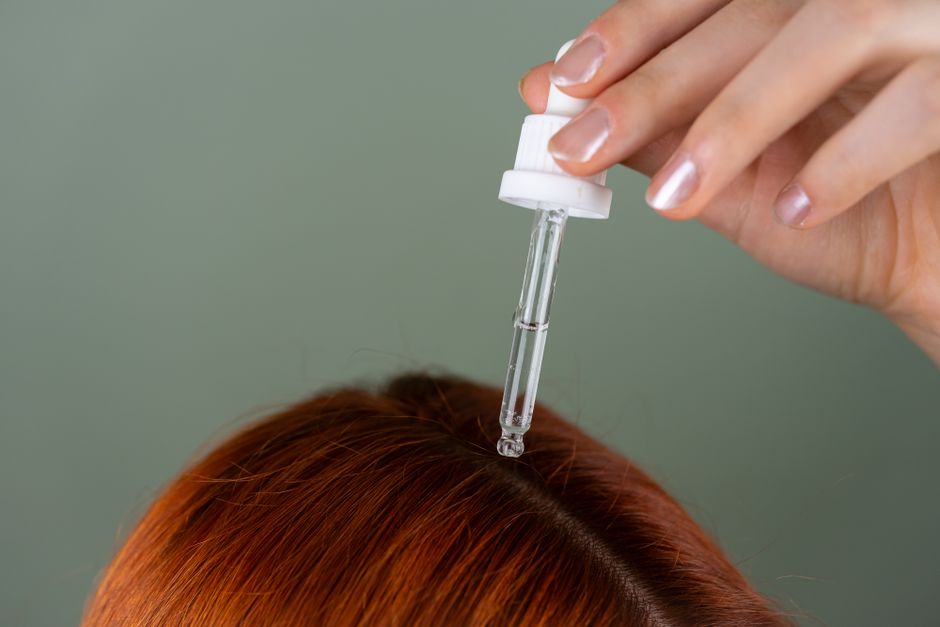
Cinnamon oil is not a proven hair growth treatment. No clinical trial has shown that applying cinnamon oil to the scalp regrows hair or treats pattern baldness. What it can do is stimulate blood flow to the scalp, and that circulation boost is why it shows up in DIY hair recipes. If you want to try it, there are three common ways: diluted in a carrier oil as a scalp massage, mixed into a shampoo or conditioner, or blended into a leave-in scalp mask. Each method has real risks you should understand before you start.
What Does Cinnamon Oil Actually Do to the Scalp?
Cinnamon oil contains cinnamaldehyde, the compound responsible for its smell and its heat. When applied to skin, cinnamaldehyde causes vasodilation — the widening of blood vessels. That is a measurable physical effect, not a marketing claim.
Increased blood flow to the scalp is the theory behind using it for hair. Better circulation means more oxygen and nutrients reaching the hair follicles. That logic is reasonable. It is also incomplete.
Blood flow matters for follicle health, but hair loss has many causes. Genetics, hormones, thyroid disorders, iron deficiency, medication side effects, and autoimmune conditions can all drive shedding or thinning. Improved circulation does not address any of those root causes. This is the gap between biological plausibility and demonstrated clinical benefit, and it is a wide gap.
There is also a second effect worth knowing about. Cinnamaldehyde is a known skin irritant and a recognized contact allergen. The same compound that creates the warming sensation can trigger redness, burning, itching, and in some people a full allergic reaction. The warming feeling people describe as “working” is often just irritation.
Is There Any Evidence Cinnamon Oil Grows Hair?
No human clinical trial has tested cinnamon oil as a hair growth treatment. That is the honest state of the evidence.
Some laboratory research has looked at cinnamon and related plant compounds for effects on hair follicle cells. Those are cell and tissue studies, not trials in people with hair loss. Results from a petri dish do not translate directly to a human scalp, and researchers generally treat them as a starting point, not proof.
For context, the treatments with real evidence behind them — minoxidil and finasteride for androgenetic alopecia — have been through large randomized controlled trials. Cinnamon oil has not. That does not make cinnamon oil useless, but it does mean anyone selling it as a hair growth solution is ahead of the science.
One more clarification. Cinnamon oil is not the same as cinnamon powder, and it is not the same as cassia oil, which is often sold as “cinnamon” but comes from a different plant and contains much higher levels of a compound called coumarin. Coumarin is a liver toxin at high doses and is regulated as a flavoring in several countries. If you are buying cinnamon oil, the label matters.
How To Use Cinnamon Oil For Hair Growth 3 Ways
These are the three methods people use. None are clinically proven. All require dilution, and all carry irritation risk. If you have a sensitive scalp, eczema, psoriasis, or a known fragrance allergy, this is probably not the ingredient for you.
Method 1: Diluted Scalp Massage Oil
This is the most common approach. You mix a small amount of cinnamon oil into a carrier oil and massage it into the scalp.
Carrier oils include jojoba, coconut, olive, almond, and argan. They dilute the cinnamon oil and reduce the chance of a burn. A widely used guideline for essential oils on skin is a dilution of about 1 percent for sensitive areas, which works out to roughly 5 to 6 drops of essential oil per ounce of carrier oil. For a first try, staying at or below that range is sensible.
Apply to a dry or damp scalp, massage gently with fingertips for a few minutes, and leave it on for 30 minutes or less before washing out. Do not leave it on overnight. Do not apply to broken skin. If you feel strong burning rather than mild warmth, wash it out immediately with cool water and a mild soap.
Method 2: Added to Shampoo or Conditioner
This is the lowest-effort option and the one with the least control over dilution. You add a drop or two of cinnamon oil to a single serving of shampoo or conditioner in your hand, then wash as normal.
The advantage is that contact time is short, which lowers irritation risk. The disadvantage is that you are mixing an oil into a product designed to rinse away, so the amount that actually reaches the follicle is minimal. Essential oils also do not blend evenly into water-based products, so the drop may sit on one patch of scalp rather than spread.
If you try this, start with a single drop. Some people find even that is too much for a sensitive scalp.
Method 3: Leave-In Scalp Mask
A scalp mask combines cinnamon oil with a carrier oil and sometimes other ingredients like honey or yogurt. It sits on the scalp for 15 to 30 minutes before rinsing.
This method gives the longest contact time, which is also why it carries the highest irritation risk. Keep the dilution at or below 1 percent, do a patch test on your inner forearm 24 hours before using it on your scalp, and cap the time at 30 minutes.
Never use a mask containing cinnamon oil on a scalp with cuts, sunburn, or an active rash. Cinnamaldehyde on damaged skin can cause a chemical burn.





What Are the Risks of Cinnamon Oil on Hair?
Irritation is the most common problem. Cinnamaldehyde is one of the more reactive essential oil compounds, and reactions range from mild tingling to significant redness and peeling. People who have never reacted to a product before can still react to this one.
Allergic contact dermatitis is a real risk with repeated use. It can develop after several applications even if the first few went fine. Once sensitized, you may react to cinnamon in other products too, including foods and fragrances.
There is also a lesser-known concern. Some research has looked at cinnamaldehyde and its potential effects on hair follicle function, and the findings are not uniformly positive. This is early laboratory work and should not be treated as settled, but it is a reason not to assume the compound is inherently good for hair.
If you are pregnant or breastfeeding, there are no established clinical guidelines for using cinnamon oil on the scalp. The safest position is to avoid it or ask your clinician first.
Does Cinnamon Oil Work Better Than Proven Treatments?
No. This is not a close comparison.
Minoxidil is an FDA-approved topical treatment for androgenetic alopecia with decades of trial data behind it. Finasteride is an FDA-approved oral treatment for the same condition in men. Both have documented effects on hair count and hair density in controlled studies. Cinnamon oil has none of that.
That does not mean you should never try home remedies. It means you should not delay an effective treatment because a natural option sounds gentler. Hair loss that is progressing is usually easier to address earlier than later, and some causes — thyroid issues, low iron, certain medications — need a doctor’s input, not a scalp oil.
If you want to use cinnamon oil alongside a proven treatment, that is a personal choice. Just do not use it instead of one.
When Should You See a Doctor About Hair Loss?
See a clinician if you notice sudden shedding, patchy bald spots, thinning at the part or crown that is getting worse, or hair loss accompanied by fatigue, weight changes, or unusual menstrual patterns. Those can point to thyroid disease, iron deficiency, or other conditions that need diagnosis and treatment.
Also see a doctor if you have used a home remedy and developed a rash, blistering, or persistent burning on your scalp. Chemical irritation from essential oils is treatable but should be assessed if it does not settle quickly.
Hair loss is common and often treatable. The key is knowing which type you have before you spend months on a remedy that cannot address it.
Frequently Asked Questions
Does cinnamon oil really grow hair?
No clinical trial has shown that cinnamon oil grows hair or treats hair loss. It may increase scalp blood flow, but that has not been proven to regrow hair in people.
How do you dilute cinnamon oil for hair?
A common guideline for essential oils on skin is about 1 percent dilution, or roughly 5 to 6 drops per ounce of carrier oil. Start at or below that and do a patch test first.
Can cinnamon oil burn your scalp?
Yes. Cinnamaldehyde is a known skin irritant and allergen, and undiluted use can cause redness, burning, and even chemical burns. Always dilute it and never leave it on overnight.
Is cinnamon oil safe during pregnancy?
No established clinical guidelines exist for using cinnamon oil on the scalp during pregnancy or breastfeeding. Ask your clinician before using it.
