
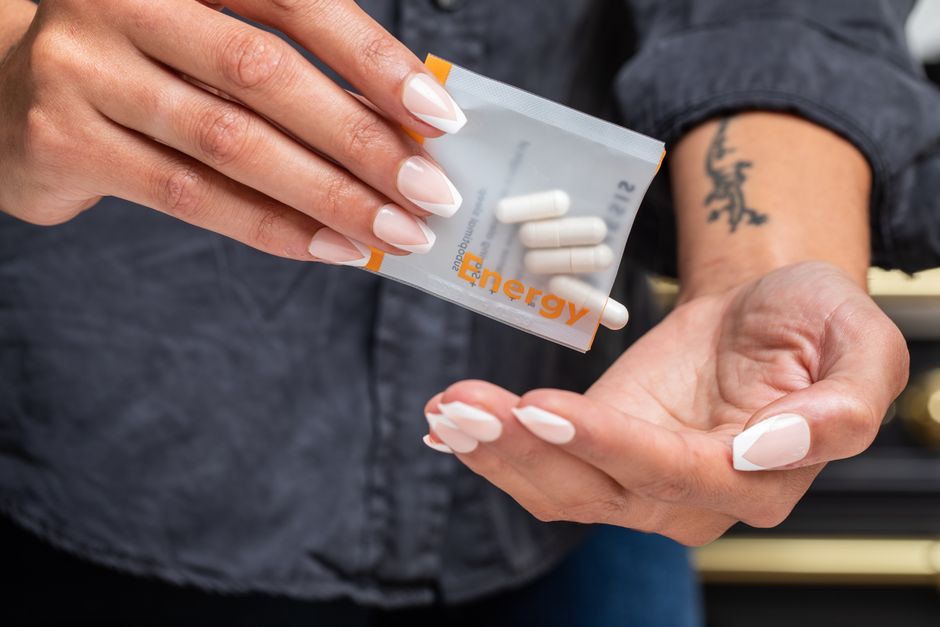
If you want one clear answer, it is biotin (vitamin B7). It is the vitamin most directly tied to how the body builds the protein in hair and nails. But biotin only helps when the body is actually short on it, which is uncommon in people who eat a varied diet. For most readers, the bigger story is that several vitamins matter, and a true deficiency in any of them can show up first in your hair and nails.
Hair and nails are fast-growing tissues. They need a steady supply of nutrients to form properly. When something is missing, the body tends to send resources to more vital organs first. That is why hair and nails are often early warning signs of a nutritional gap.
What Vitamin Is Good For Nails And Hair Growth?
Biotin is the vitamin most often named, and the reason is real. The body uses biotin to help break down fats, carbohydrates, and protein. Since hair and nails are made largely of a protein called keratin, a shortage of biotin can interfere with how that keratin is built.
Biotin deficiency is rare in healthy adults. The typical American diet supplies enough of it. It is found in eggs, nuts, seeds, salmon, sweet potatoes, and liver. The body also makes some biotin in the gut. So for most people, adding a biotin supplement is unlikely to change their hair or nails much.
Where biotin does clearly matter is in people who are genuinely deficient. That group includes people with certain inherited disorders, people who have been on long-term antibiotics, and some people with severe malnutrition. In those cases, hair thinning and brittle nails are recognized symptoms, and correcting the deficiency can help.
The confusion comes from marketing. Biotin supplements are heavily promoted for hair and nail growth, but the evidence for benefit in people who are not deficient is weak. Some small studies have looked at biotin for brittle nails, and results have been mixed. No large, well-controlled human trial has shown that biotin supplements make hair grow faster or thicker in people who already have normal levels.
How Do Vitamins Affect Hair And Nails?
Hair and nails are built from keratin, a tough protein. Making keratin takes energy and a long list of nutrients. Vitamins act as helpers in those chemical reactions. When a vitamin is missing, the process slows or produces weaker keratin.
Hair grows from a structure called the follicle, which sits under the skin. Nails grow from a root near the base of the nail. Both are dividing cells, which means they are sensitive to anything that disrupts cell division, including nutrient shortages.
This is why nutritional problems often show up in both places at once. A person with an untreated deficiency may notice shedding, slow growth, ridges in the nails, or nails that split easily. Fixing the deficiency can help, but it takes time. Hair and nails grow slowly, so changes appear gradually rather than overnight.
Which Other Vitamins And Nutrients Matter?
Several nutrients beyond biotin play a role in healthy hair and nails. A shortage of any of them can cause problems. It is worth knowing the main ones.
- Vitamin D — involved in the hair growth cycle. Low levels have been linked to some forms of hair loss, though the evidence is not strong enough to say that taking vitamin D regrows hair in people with normal levels.
- Iron — a mineral, not a vitamin, but one of the most common deficiencies linked to hair shedding, especially in women who menstruate.
- Zinc — supports cell division and repair. Deficiency can cause hair loss and brittle nails.
- Vitamin C — needed to build collagen, which supports the skin and the structures around hair and nails.
- B vitamins other than biotin — including B12 and folate, which are involved in cell division.
- Protein — not a vitamin, but the raw material for keratin. Too little protein in the diet can weaken hair and nails.
The pattern here matters. Hair and nail problems are rarely caused by a single missing vitamin. More often, they reflect a broader nutritional picture or an unrelated health issue.



Can You Get Enough From Food Alone?
For most people, yes. A varied diet that includes protein, vegetables, whole grains, and healthy fats supplies the vitamins and minerals hair and nails need. Biotin is widely available in common foods, and true deficiency from diet alone is uncommon.
Some groups are at higher risk of low levels. These include people who are pregnant, people with certain digestive conditions that reduce nutrient absorption, people who have had weight-loss surgery, and people who drink heavily. Vegans may need to pay attention to B12, since it occurs naturally mostly in animal foods.
If you eat a reasonably balanced diet and still have thinning hair or brittle nails, the cause is often not a simple vitamin gap. It could be thyroid problems, hormonal shifts, certain medications, or an underlying illness. That is a reason to see a clinician rather than guess with supplements.
Should You Take A Supplement?
For most healthy adults, a biotin supplement is unlikely to help hair or nails, because the deficiency it corrects is rare. Taking it anyway is generally low risk for most people, but it is not free of concerns.
One real issue is testing interference. High-dose biotin can distort the results of certain lab tests, including some thyroid and heart tests. This has led to warnings from regulators and can, in rare cases, lead to a wrong result. If you take biotin and have blood work done, tell your clinician.
If you suspect a deficiency, the better path is to get tested rather than self-treat. A clinician can check iron, vitamin D, B12, thyroid function, and other markers. Treating a confirmed deficiency is different from taking a supplement on a guess.
Some clinicians do recommend a general multivitamin for people with restricted diets or absorption problems. That is a reasonable, individual decision. It is not the same as proving that a supplement will grow your hair.
What Actually Helps Hair And Nails Grow?
The most reliable steps are not glamorous. Eating enough protein, staying hydrated, and getting a range of vitamins and minerals from food supports the basic building blocks. Managing stress and treating underlying health conditions matter too, because both hair and nails reflect overall health.
It also helps to be patient and realistic. Nails grow slowly, and hair grows in cycles. Even when a deficiency is corrected, visible change can take months. Anyone promising fast results from a single vitamin is overselling what the body can do.
If hair loss is sudden, patchy, or accompanied by other symptoms, that is a signal to seek medical care. Sudden shedding can point to a medical issue that no vitamin will fix. Getting an accurate diagnosis is the honest first step.
Frequently Asked Questions
What vitamin is best for hair and nail growth?
Biotin is the vitamin most directly tied to hair and nail growth because it helps the body build keratin. It only helps when a person is actually deficient, which is uncommon in healthy adults eating a varied diet.
Does biotin really help hair grow?
For people who are not deficient, the evidence that biotin supplements grow hair is weak. No large, well-controlled human trial has shown faster or thicker hair growth in people with normal biotin levels.
Which vitamin deficiency causes brittle nails?
Biotin deficiency is a recognized cause of brittle nails, but it is rare. Iron, zinc, and other nutrient shortages can also affect nail strength, so testing is more useful than guessing.
Can low vitamin D cause hair loss?
Low vitamin D has been linked to some forms of hair loss, but the evidence is not strong enough to say that taking vitamin D regrows hair in people with normal levels. It is worth checking if you have concerns.
