
Hair loss is common, and the market for hair growth supplements is enormous. But most products sold for hair growth have little or no clinical evidence behind them. A small number of nutrients and medications do have real evidence — but only for specific types of hair loss, and a few popular supplements can actually make things worse.
What to take to help hair growth depends on why hair is thinning in the first place. If you have a genuine nutritional deficiency, correcting it can help. If you do not have a deficiency, most supplements will not do much. And in some cases, the wrong supplement can accelerate hair loss rather than slow it.
What To Take To Help Hair Growth And What Backfires?
The nutrients with the strongest evidence for hair growth are iron (when ferritin is low), vitamin D (when deficient), zinc (when deficient), and adequate protein intake. The medication minoxidil has the strongest evidence of any topical treatment. What backfires most often is taking high-dose supplements without a confirmed deficiency — particularly excess vitamin A, excess selenium, and high-dose vitamin E, all of which are associated with hair loss rather than hair growth.
The key distinction is between correcting a deficiency and supplementing beyond normal levels. These are not the same thing, and the evidence supports only the first.
Which Nutrients Have Real Evidence For Hair Growth?
Several nutrients are involved in the hair growth cycle. The hair follicle is one of the most metabolically active structures in the body, and it depends on a steady supply of iron, zinc, vitamin D, B vitamins, and protein. When any of these run low, hair growth can slow and shedding can increase.
The evidence is strongest for correcting a deficiency, not for adding extra on top of normal levels.
- Iron. Iron deficiency — even without anemia — is linked to increased hair shedding, particularly in women. Low ferritin (stored iron) is one of the most common findings in people with unexplained hair loss. Correcting it with medical guidance often helps.
- Vitamin D. Low vitamin D levels are associated with several forms of hair loss, including telogen effluvium and alopecia areata. Whether supplementing improves hair growth in people who are not deficient is not well established.
- Zinc. Zinc deficiency causes hair loss. Supplementing helps if you are deficient. Taking high doses when you are not deficient does not appear to help and can cause side effects.
- Protein. Hair is made of protein. Chronically low protein intake — from crash diets or restrictive eating — can cause noticeable shedding. This is a dietary issue, not a supplement issue.
- B vitamins, especially biotin. Biotin deficiency causes hair loss, but true biotin deficiency is rare in people eating a normal diet. Biotin supplements are heavily marketed for hair, yet there is little evidence they help people who are not deficient.
One important clarification: biotin supplements can interfere with common lab tests, including thyroid and cardiac troponin tests. This is not a minor issue. If you take high-dose biotin and need blood work, tell your doctor.
Why Do So Many Hair Supplements Fail?
Most hair supplements fail because they are treating a problem the person does not have. If your iron, zinc, vitamin D, and protein levels are normal, adding more of these nutrients does not speed up hair growth. The follicle already has what it needs.
Hair loss has many causes, and most of them are not nutritional. Androgenetic alopecia (pattern hair loss) is driven by genetics and hormones, not by vitamin levels. Telogen effluvium is often triggered by illness, surgery, severe stress, or rapid weight loss. Alopecia areata is an autoimmune condition. Thyroid disease, PCOS, and certain medications can all cause shedding.
A supplement cannot fix a hormonal or autoimmune cause. This is why so many people take hair supplements for months and see nothing change.
There is also a labeling problem. In the United States, dietary supplements are not reviewed by the FDA for effectiveness before they are sold. A product can claim to “support hair growth” without any trial showing it does. Some third-party testing has found that certain supplements do not contain what the label says, or contain contaminants.





What Actually Backfires And Makes Hair Loss Worse?
Some supplements do not just fail to help — they can actively contribute to hair loss. The most well-documented culprits are fat-soluble vitamins taken in excess.
- Vitamin A. Vitamin A is stored in the body, and too much of it is a recognized cause of hair loss. This can come from high-dose supplements, not from food. Some hair, skin, and nail products combine multiple ingredients that add up to a high vitamin A load.
- Selenium. Selenium is needed in small amounts. In larger amounts it is toxic, and hair loss is a classic sign of selenium excess. Some hair supplements contain doses well above what the body needs.
- Vitamin E. High-dose vitamin E supplementation has been linked to hair loss in some reports, and it can also interact with blood-thinning medications.
- Excess zinc. Taking high doses of zinc for a long time can cause copper deficiency, which itself can lead to hair loss and other problems. More is not better here.
- Unregulated “hair growth” pills. Products marketed as miracle hair growers with no ingredient transparency are a real risk. Without knowing what is in them, you cannot know what they might do.
The pattern is consistent: nutrients that help at deficiency levels can harm at excess levels. The dose and your starting point both matter.
What About Minoxidil And Other Medical Treatments?
For pattern hair loss, the treatments with the strongest evidence are medications, not supplements. This is a different category of intervention, and it is worth separating clearly from the supplement aisle.
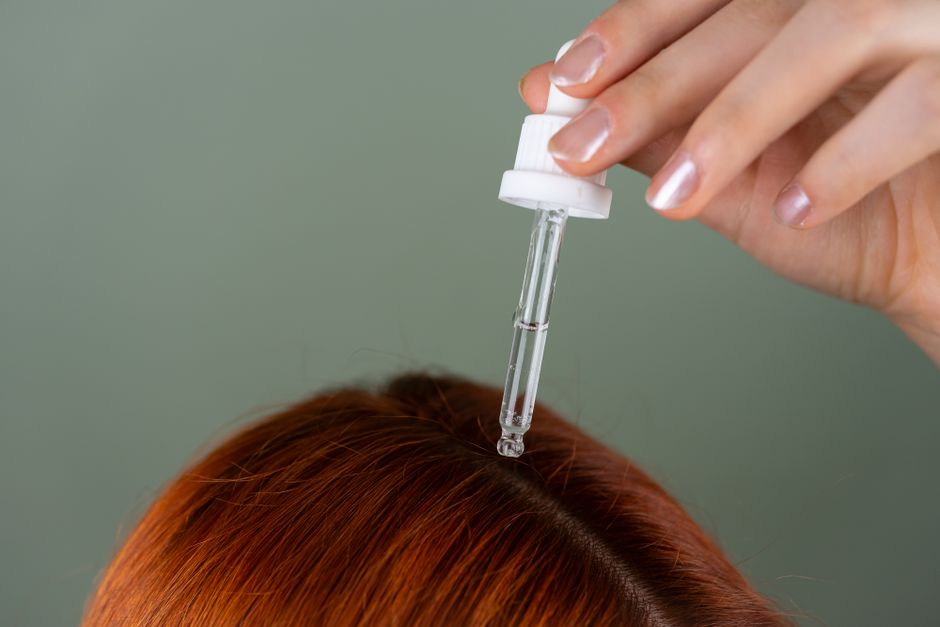
Topical minoxidil is the most widely studied topical treatment for androgenetic alopecia in both men and women. It is available over the counter. Oral minoxidil is also used by some clinicians at low doses, though this is a prescription decision made with a doctor. Finasteride is an oral prescription medication with strong evidence for men with pattern hair loss; it is not used in women of childbearing age because of risks in pregnancy.
These treatments work differently from supplements. They act on the hair cycle and, in the case of finasteride, on the hormone pathway driving pattern loss. They also have real side effects and require medical supervision. Results typically take several months to appear, and hair loss often returns if treatment stops.
Some clinicians recommend combining treatments, or adding low-level laser therapy. The evidence for laser devices is weaker and more mixed than for minoxidil or finasteride. If a clinic presents laser therapy as equivalent to medication, that claim is not well supported.
How Do You Know What You Actually Need?
You cannot know what to take without knowing what is low. That means testing, not guessing. The most useful first step for unexplained hair loss is a conversation with a doctor and some basic labs.
Labs that are commonly checked include a complete blood count, ferritin, thyroid function, vitamin D, and sometimes zinc and other markers. Which tests make sense depends on your history, sex, age, and other symptoms. A doctor can also look for non-nutritional causes like thyroid disease or PCOS.
| Nutrient or treatment | Evidence when deficient | Evidence when not deficient |
|---|---|---|
| Iron | Correcting low ferritin can reduce shedding | Little benefit; excess iron is harmful |
| Vitamin D | Correcting deficiency supports normal hair cycling | Not well established |
| Zinc | Correcting deficiency helps | No clear benefit; excess can cause copper deficiency |
| Biotin | Correcting true deficiency helps | Little evidence of benefit; can distort lab tests |
| Vitamin A (high dose) | Not applicable | Can cause hair loss |
| Selenium (high dose) | Not applicable | Can cause hair loss |
| Topical minoxidil | Not applicable | Strong evidence for pattern hair loss |
If your labs are normal and you still have hair loss, the answer is unlikely to be a supplement. It is more likely to be a pattern or medical cause that needs a different approach.
What Lifestyle Factors Support Hair Growth?
Hair growth depends on the body being in a stable, well-nourished state. Several everyday factors influence that, and none of them require a supplement.
Eating enough protein matters, because hair is built from it. So does eating a varied diet that covers iron, zinc, and vitamin D from food where possible. Extreme calorie restriction and crash dieting are common triggers for shedding, and the effect can appear weeks to months after the diet starts.
Managing severe or prolonged stress is reasonable, since stress is a recognized trigger for telogen effluvium. So is treating underlying conditions like thyroid disease rather than hoping a supplement compensates for them.
Gentle hair care matters less than most people think for growth, but harsh chemical treatments, tight hairstyles that pull on the roots, and frequent heat damage can contribute to breakage and traction-related loss. That is a mechanical issue, not a nutritional one.
Frequently Asked Questions
What is the best vitamin for hair growth?
There is no single best vitamin, because the right one depends on what you are deficient in. Iron, vitamin D, and zinc have the clearest evidence when levels are genuinely low.
Can taking too many vitamins cause hair loss?
Yes. Excess vitamin A, excess selenium, and high-dose vitamin E are all associated with hair loss. Taking high-dose zinc for a long time can also cause copper deficiency, which can lead to shedding.
Does biotin actually help hair grow?
Biotin helps only if you have a true biotin deficiency, which is rare in people eating a normal diet. There is little evidence it helps hair growth in people who are not deficient, and high doses can interfere with lab tests.
Should I take a hair supplement if my blood tests are normal?
If your nutrient levels are normal, a hair supplement is unlikely to help, because there is no deficiency to correct. In that case, the cause of hair loss is more likely hormonal, genetic, or medical, and a doctor can help identify it.
