
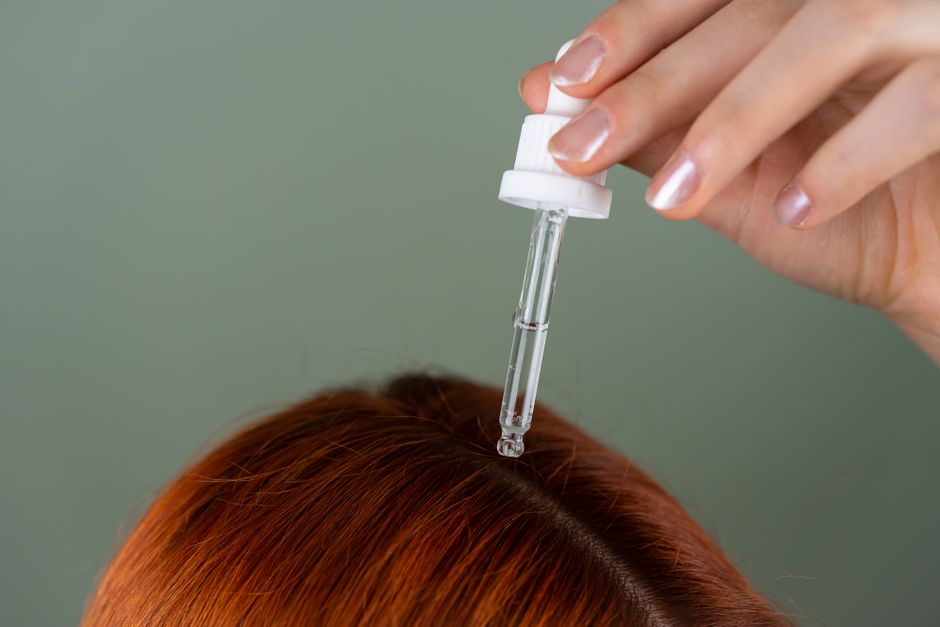
Camphor is a waxy, white substance with a strong, medicinal smell. It comes from the wood of the camphor tree, and it has been used in folk remedies for generations. But before you reach for it to grow thicker hair, here is the key fact: there is no reliable clinical evidence that camphor grows hair. Its main effect on the scalp is a cooling sensation and mild irritation. That sensation is not the same as hair regrowth, and using too much can harm your skin.
What Is Camphor and Where Does It Come From?
Camphor is a chemical compound found naturally in the wood of the camphor tree, Cinnamomum camphora. It can also be made in a lab. The natural and synthetic versions are chemically the same.
At room temperature, camphor is a white, waxy solid with a very strong smell. It turns into a vapor easily. This is why you smell it from a distance. It has been used for centuries in balms, ointments, and traditional medicines.
When applied to skin, camphor triggers cold-sensing nerves. That creates a cooling feeling. It also can irritate skin if the amount is too high. Both effects are about sensation, not about hair follicles.
Camphor is common in over-the-counter products for coughs and muscle aches. It appears in some traditional hair oils too. Its presence in a product does not mean it treats hair loss.
Does Camphor Actually Grow Hair?
No. There is no clinical evidence that camphor grows hair or treats hair loss. Claims about camphor for hair growth come from traditional use, not from controlled human trials.
Hair growth depends on the hair follicle, which sits below the skin surface. A follicle grows hair in cycles. To change that cycle, a treatment has to reach and affect the follicle itself. Camphor’s main action is on skin nerves and blood vessels near the surface. That is a different target.
The cooling and tingling feeling people describe can be mistaken for “stimulation.” A sensation is not the same as follicle stimulation. Feeling something does not mean hair is growing.
Some traditional hair oils combine camphor with other ingredients like menthol, rosemary, or coconut oil. If a product seems to help, it is hard to know which ingredient is responsible, if any. Studies on those oils and their results vary widely.
There is one important distinction here. A scalp condition that causes itching or flaking can make hair look thin. Treating that condition may improve how hair looks. But that is treating the condition, not camphor growing new hair.
Why Do People Believe Camphor Helps Hair?
Several things keep this belief alive. None of them are proof that camphor works.
- Traditional use. Camphor has appeared in folk hair remedies for a long time. Long use is not the same as proven benefit.
- The tingling feeling. A cooling or tingling scalp feels like something is happening. That feeling is a nerve response, not a sign of new growth.
- Marketing. Some hair products list camphor because it smells medicinal and feels active. The label does not mean the ingredient was tested for hair growth.
- Confusing scalp health with hair growth. A cleaner, less itchy scalp can look better. That is different from growing more hair.
Belief spreads easily when a remedy is cheap, traditional, and produces a physical sensation. None of those features make a treatment effective.





How To Use Camphor For Hair Growth Safely
If you still want to try camphor on your scalp, safety comes first. Camphor is not harmless. Swallowing it can be dangerous, and applying too much to skin can cause irritation or worse.
Use only products made for the scalp and follow the label. Do not make your own camphor oil from pure camphor crystals. It is very easy to get the amount wrong, and pure camphor is far stronger than what belongs on skin.
Test a small patch first. Put a little product on the inside of your wrist or behind your ear. Wait a day. If you see redness, swelling, or a rash, do not use it on your scalp.
Keep camphor away from your eyes, nose, and mouth. Do not apply it to broken or irritated skin. Do not cover your scalp with a tight cap or plastic wrap after applying it. Trapping camphor against skin raises how much your body absorbs.
Wash your hands after touching any camphor product. Keep it out of reach of children and pets. Camphor is a real poisoning risk if swallowed, especially for small children.
Stop using it if you feel burning, get a headache, or feel dizzy. Those are signs to wash it off and get advice. If someone swallows camphor, contact Poison Control right away.
Who Should Avoid Camphor?
Some people should not use camphor at all. The risk is higher for certain groups and situations.
- Infants and young children. Camphor products are not safe for babies and young children. Their skin absorbs more, and swallowing even a small amount can cause serious harm.
- Pregnant or breastfeeding people. No clinical guidelines support using camphor on the scalp during pregnancy or breastfeeding. It is best to avoid it.
- People with sensitive or damaged skin. Camphor can irritate skin that is already inflamed, cut, or broken.
- People with asthma or breathing problems. Strong camphor vapor can trigger coughing or breathing trouble in some people.
- People taking certain medicines. If you take other treatments, ask a pharmacist before adding a camphor product.
If you are unsure whether camphor is safe for you, ask a doctor or pharmacist. That is a better guide than a product label alone.
What Actually Helps With Hair Loss?
If your goal is real hair regrowth, camphor is not the answer. A few treatments have actual clinical evidence behind them. Which one fits depends on why you are losing hair.
Hair loss has many causes. Common ones include genetics, hormonal changes, medical conditions, stress, and nutrient problems. Two people with thinning hair can have completely different reasons for it. That is why the right treatment differs from person to person.
A few approaches have stronger evidence than others. Minoxidil is a topical treatment with established evidence for certain types of hair loss. Some prescription treatments also have clinical support. For some people, treating an underlying condition or correcting a nutrient deficiency is what helps.
This is where an honest note matters. Not every hair loss treatment works for everyone, and results vary. A doctor can help identify the cause and discuss options with real evidence behind them.
Compare the evidence plainly:
| Approach | Evidence for hair growth |
|---|---|
| Camphor | No clinical evidence |
| Minoxidil (topical) | Established evidence for certain types of hair loss |
| Treating an underlying cause | Depends on the cause |
If you are losing hair, see a doctor before spending money on unproven remedies. The cause matters more than the product.
Frequently Asked Questions
Does camphor regrow hair?
No. There is no clinical evidence that camphor regrows hair or treats hair loss. Its main effect on the scalp is a cooling sensation, not follicle stimulation.
Is it safe to put camphor on my scalp?
Only if you use a product made for the scalp and follow the label. Pure camphor is far too strong for skin, and too much can cause irritation or more serious harm.
Can I use camphor oil on my hair every day?
No clinical guidelines support a daily camphor routine for hair. If you use a camphor product at all, follow its label and stop if you notice irritation.
What should I use instead of camphor for hair growth?
Talk to a doctor about treatments with real evidence, such as minoxidil for certain types of hair loss. The right option depends on the cause of your hair loss.
