
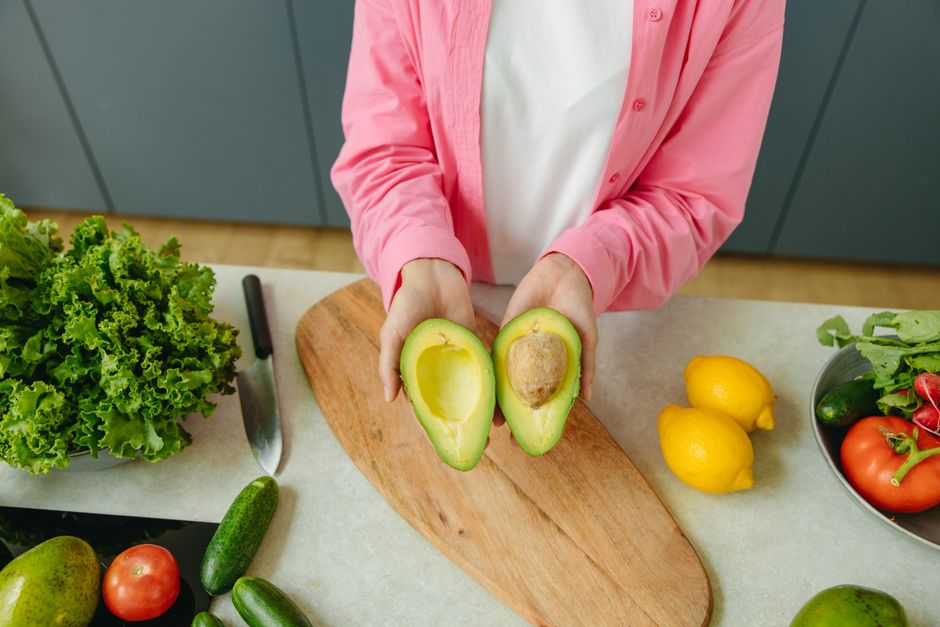
An avocado seed is the large pit inside the fruit. You can grind it into flour, sprout it into a houseplant, or use it to make a natural dye. Each use has real limits, and some popular claims about the seed go further than the evidence does.
Eating it is possible but not risk-free. Growing it is simple and reliable. Dyeing with it works, though the color is subtle and fades. This guide covers what each use actually involves, what research supports, and where the hype outruns the facts.
How To Use Avocado Seeds Eat Grow Dye More?
Each use of an avocado seed follows a different method. Eating requires careful preparation and carries real safety concerns. Growing is a patient water-and-soil process. Dyeing means simmering the seed with fabric and a mordant to help the color bind.
The seed is not a free superfood waiting to be discovered. It is a plant part with its own chemistry, and that chemistry matters for every use.
Eating the seed
The pit can be dried, ground, and used in small amounts as a flour or powder. It is bitter and astringent. It is not a snack.
Growing the seed
Suspend the pit over water with the pointed end up until a root and shoot appear, then plant it in soil. This is the most straightforward use and the least controversial.
Dyeing with the seed
Simmer chopped seed in water to make a dye bath. The result is a soft pink, beige, or tan depending on the fabric and mordant. It is a natural dye, not a strong or permanent one.
Is It Safe to Eat Avocado Seeds?
No health agency has approved avocado seed as a food. That single fact should shape how you think about eating it.
The seed contains compounds called tannins and polyphenols, and it also contains small amounts of persin, a natural compound found in avocado. Persin is best known for being toxic to some animals, particularly birds and livestock. In humans, the amounts in the fruit flesh are considered very low risk. The seed is a different matter because it is eaten in concentrated form.
Some sources describe persin as harmless to people. The honest position is that human safety data on eating avocado seed is very limited. No large human trials have confirmed it is safe to eat regularly.
There is also a practical concern. The seed is dense and hard. Grinding it into a fine powder is not easy with a home blender, and poorly ground pieces are difficult to digest. Some people report stomach upset after eating it.
What about the health claims?
You will see claims that avocado seed fights cancer, lowers cholesterol, or kills parasites. Some laboratory studies have looked at avocado seed extracts and found antioxidant activity in cells. That is not the same as a proven health benefit in people.
A test-tube result does not translate automatically to a human body. The dose, the form, and how the body processes the compound all change the outcome. No clinical evidence currently confirms that eating avocado seed treats or prevents any disease.
If you have a health condition or take medication, talk to a clinician before adding any unpurified plant material to your diet. This is not a case where “natural” means “safe.”
How Do You Prepare an Avocado Seed to Eat?
If someone chooses to try it, the common method is to dry and grind the pit. This is a description of the process, not a recommendation.
- Wash the pit and remove the brown papery skin.
- Cut it into smaller pieces so it dries faster and grinds more evenly.
- Dry the pieces thoroughly. Oven drying on low heat or air drying over several days both work.
- Grind the dried pieces in a strong blender or coffee grinder until fine.
- Store the powder in a sealed container away from moisture.
The powder is bitter. People who use it typically add small amounts to smoothies or baked goods rather than eating it plain.
There is no established safe daily amount for avocado seed. No clinical guidelines currently exist for how much is safe to eat, so any specific number you see online is not backed by official guidance. That absence is itself a reason for caution.



How Do You Grow an Avocado Tree From a Seed?
Growing an avocado from a pit is reliable and needs no special equipment. The main requirement is patience.
Clean the pit and identify the top. The slightly pointed end is the top, where the shoot emerges. The rounded bottom is where roots form.
Push three or four toothpicks into the sides of the pit and rest it over a glass of water. The bottom third of the pit should sit in water. Keep the water topped up and change it regularly so it stays clean.
Place the glass in a warm spot with indirect light. Roots usually appear first, followed by a shoot. This can take several weeks, and some pits simply never sprout. That is normal.
When the roots are a few inches long and a shoot has leaves, move the pit to a pot with well-draining soil. Leave the top half of the pit above the soil line. Water it and keep it warm.
What to expect long term
A tree grown from a supermarket pit is a gamble. Avocado varieties are usually grown by grafting, because a tree from seed may not produce fruit that tastes like the parent. It can take many years to fruit, if it fruits at all.
For many people, the reward is a leafy houseplant rather than a harvest. That is the realistic expectation.
Can You Really Dye Fabric With Avocado Seeds?
Yes. Avocado seeds can produce a natural dye, and the color is usually a soft pink, beige, or tan. The exact shade depends on the fabric and the mordant used.
A mordant is a substance that helps dye bind to fabric. Common mordants include alum and iron. The mordant changes the final color, so the same dye bath can give different results.
Natural dyes from avocado are generally lightfast and washfast to a modest degree. They tend to fade with repeated washing and sun exposure. This is not a permanent dye like a commercial fiber-reactive dye.
The basic process
- Chop clean avocado seeds into small pieces.
- Simmer them in water for about an hour to release the color, then strain out the solids.
- Pre-treat the fabric with a mordant according to its package directions.
- Soak the fabric in the dye bath, then rinse and dry.
Natural dyeing is a craft with variable results. Treat it as an experiment, not a guaranteed outcome.
Are Avocado Seeds Nutritious?
The seed does contain nutrients. It has fiber and some antioxidant compounds, and analyses of avocado seed have identified minerals and polyphenols. This is where the marketing gets ahead of the science.
Having nutrients is not the same as being a good food source. The seed is bitter, hard to digest, and not established as safe in regular amounts. Comparing it to the fruit flesh is misleading.
The flesh of the avocado is the well-studied part. It is a source of monounsaturated fat, fiber, and potassium. If you want avocado’s documented nutritional benefits, the flesh is where they are.
The Bottom Line
Avocado seed has three practical uses, and they are not equal. Growing it is simple and safe. Dyeing with it works and produces soft, fading colors. Eating it is possible but carries real uncertainty, and the health claims attached to it are not supported by human evidence.
Treat the seed as a plant part, not a supplement. Enjoy the fruit. Experiment with the seed as a craft or a plant project. Be skeptical of anyone selling it as a cure.
Frequently Asked Questions
Can you eat avocado seeds raw?
Eating the seed raw is not recommended because it is hard, bitter, and difficult to digest, and its safety in humans is not well established. People who use it typically dry and grind it first.
How long does it take to grow an avocado from a pit?
Roots usually appear within a few weeks and a shoot follows, though timing varies widely and some pits never sprout. A tree from seed can take many years to produce fruit, if it ever does.
What color does avocado seed dye make?
Avocado seed dye usually produces soft pink, beige, or tan shades. The exact color depends on the fabric and the mordant used, and the dye tends to fade over time.
Is avocado seed toxic to humans?
The seed contains small amounts of persin, a compound known to be harmful to some animals, and human safety data on eating it is very limited. No health agency has approved avocado seed as a food.
