
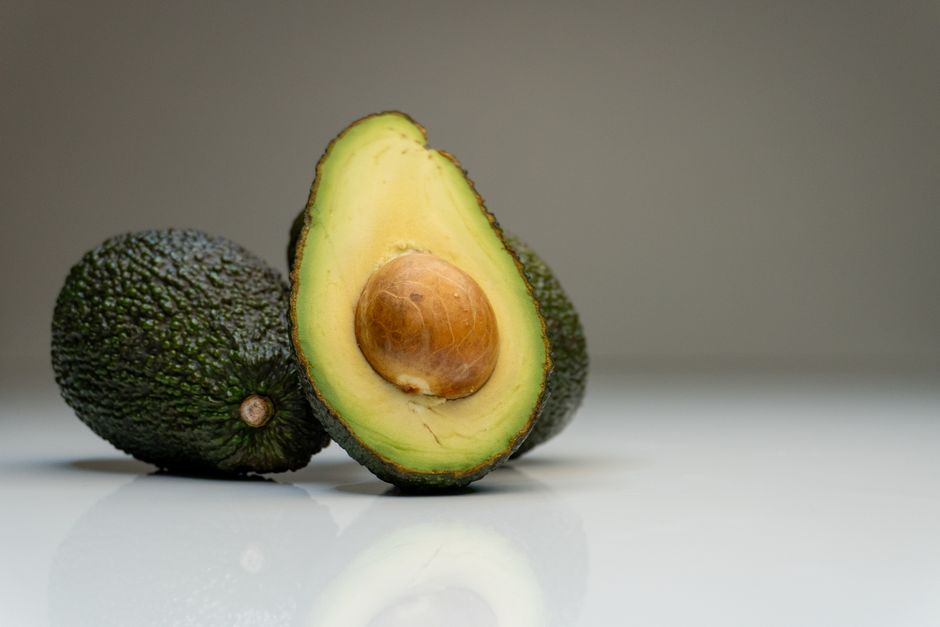
Half an avocado is a reasonable single serving for most adults, and it fits weight loss goals when it replaces other fats rather than adding to them. Avocado is calorie-dense, so portion size matters more than frequency. Most people do best treating it as a fat swap — used in place of butter, mayonnaise, or cheese — and pairing it with protein and vegetables rather than eating it alone with bread or chips.
How To Eat Avocado For Weight Loss Portions And Meals?
The portion that works is the one that fits your daily calorie needs without pushing you over them. For most adults, that means roughly one-quarter to one-half of a medium avocado at a sitting.
A whole medium avocado contains about 240 to 320 calories depending on size, with most of those calories coming from fat. That is not a reason to avoid it. It is a reason to measure it.
The practical approach:
- Use half an avocado as a full serving in a meal.
- Use a quarter when avocado is one of several fat sources on the plate.
- Weigh or scoop rather than eyeball if you are tracking calories closely.
- Replace an existing fat rather than adding avocado on top of it.
That last point matters more than most people realize. Adding half an avocado to a meal that already contains butter, oil, or cheese adds calories without removing any. Swapping it in for those fats keeps calories roughly level while changing the nutritional profile of the meal.
Why Avocado Fits Weight Loss Despite Being High In Fat
Avocado is mostly monounsaturated fat, the same predominant fat found in olive oil. Fat is calorie-dense at 9 calories per gram compared with 4 calories per gram for protein or carbohydrate, so portion control is the whole game.
The fat content also slows digestion. Meals with avocado tend to feel more satisfying, and some studies suggest this can reduce the urge to snack afterward. That effect is real but modest. It does not override a calorie surplus.
Avocado also contributes fiber — roughly 3 grams per half — along with potassium, vitamin E, and folate. Fiber supports fullness and feeds gut bacteria. These are genuine nutritional benefits. None of them make avocado a weight loss food on its own.
Here is the clarification that gets lost: no single food causes weight loss. Weight loss happens when you take in fewer calories than you burn over time. Avocado can support that by making meals more satisfying and by replacing less nutritious fats. It cannot create a deficit by itself.
What Does The Research Actually Show?
The evidence on avocado and body weight is encouraging but not definitive. Some observational studies have linked regular avocado intake with lower body weight and smaller waist circumference. Observational data cannot prove cause and effect, because people who eat avocado may differ in other ways.
Randomized controlled trials are more informative, and the results are mixed. Some trials found that adding avocado to meals increased satisfaction and reduced subsequent eating. Others found no meaningful difference in weight loss when calories were matched between groups.
That pattern is consistent with what nutrition science generally finds: when total calories are held equal, the specific foods in a diet matter less for weight than the calorie total does. Avocado appears to help some people eat less overall. It does not appear to change the underlying math.
No large, long-term trial has shown that eating avocado causes weight loss independent of calorie intake. Anyone claiming otherwise is ahead of the evidence.





How To Build Meals Around Avocado Without Overeating
The meals that work best pair avocado with protein and fiber-rich vegetables. That combination is filling and keeps the calorie load reasonable.
Practical meal ideas:
- Half an avocado sliced over a salad with grilled chicken or beans.
- A quarter avocado mashed into a whole-grain wrap with tuna or eggs.
- Half an avocado with two eggs and sautéed vegetables at breakfast.
- A quarter avocado blended into a smoothie with protein powder and greens.
- Half an avocado as a side with black beans, salsa, and a small portion of rice.
What tends to backfire is the delivery method. Avocado toast on thick bread, guacamole with a large bag of chips, or avocado added to an already rich meal can turn a healthy fat into a calorie surplus quickly. The avocado is not the problem. The pairing is.
If you eat avocado out, ask for it on the side. Restaurant portions are often a full avocado or more, and the calories add up faster than most people expect.
How Many Calories Are In Avocado, And How Does That Compare?
Avocado calories vary with size. The table below uses approximate values for a medium avocado, which is the most common size sold in US grocery stores.
| Portion | Approximate Calories | Approximate Fat | Approximate Fiber |
|---|---|---|---|
| Whole medium avocado | 240–320 | 22–30 g | 6–7 g |
| Half medium avocado | 120–160 | 11–15 g | 3–3.5 g |
| Quarter medium avocado | 60–80 | 5.5–7.5 g | 1.5–1.75 g |
For comparison, one tablespoon of butter is about 100 calories and one tablespoon of olive oil is about 120 calories. Half an avocado is in a similar calorie range to one to one-and-a-half tablespoons of oil. That is the swap to think about.
Avocados also vary widely in size. A small Hass avocado may weigh around 120 grams, while a large one can exceed 250 grams. Weighing the edible portion once or twice gives you a realistic sense of your own portions. After that, you can estimate reliably.
Common Mistakes That Undo The Benefit
Most of the ways avocado stops helping with weight loss are not about the avocado itself. They are about how it is added to the day.
The most common mistakes:
- Eating it in addition to existing fats instead of replacing them.
- Not counting it because it feels like a vegetable. It is a fruit, and it is calorie-dense.
- Pairing it with refined carbs like white bread, tortilla chips, or crackers, which adds calories without much fullness.
- Using large restaurant portions as the reference for a home serving.
- Assuming “healthy fat” means unlimited. The fat is healthy. The calories still count.
There is also a subtle trap. Foods labeled healthy can lead people to eat more of them without tracking. Research on this pattern — sometimes called a health halo — suggests people consistently underestimate calories in foods they perceive as healthy. Avocado is a frequent casualty of that bias.
Who Should Be Careful With Avocado?
Avocado is generally well tolerated, but a few groups should take note.
People with a latex allergy may react to avocado. The two share similar proteins, and cross-reactivity is documented. Symptoms range from mouth itching to more serious reactions. Anyone with a known latex allergy should be cautious when trying avocado for the first time.
Avocado is high in potassium. People with kidney disease who have been advised to limit potassium should check with their clinician before eating it regularly. A half avocado contains more potassium than a medium banana.
Avocado is also a source of FODMAPs — specifically sorbitol — and some people with irritable bowel syndrome find it triggers symptoms in larger portions. Smaller amounts are often tolerated.
For most healthy adults, none of these apply. The main caution remains portion size.
Does Timing Or Preparation Matter?
Timing does not appear to matter much for weight. What matters is total intake across the day.
Preparation matters more than most people expect. Avocado added to a meal raw keeps its calorie count fixed. Avocado fried, breaded, or mixed into a high-calorie dip does not. Guacamole is a good example: the avocado itself is fine, but the chips, sour cream, and added oils often carry more calories than the avocado does.
Storage also affects how much you eat. An opened avocado browns quickly, which pushes people to eat the whole thing at once. Buying smaller avocados, or storing half with plastic wrap pressed against the surface and a squeeze of lemon, can help you stretch it across two meals instead of one.
Frequently Asked Questions
How much avocado should I eat a day for weight loss?
About one-quarter to one-half of a medium avocado per day fits most weight loss plans. The right amount depends on your total calorie target and what other fats you eat.
Is avocado good for weight loss?
Avocado can support weight loss when it replaces other fats and helps you feel full. It does not cause weight loss on its own, and eating it in addition to your usual diet adds calories.
Can I eat avocado every day and still lose weight?
Yes, if it fits within your daily calorie needs. Daily avocado is fine; the portion and the rest of your diet determine whether it helps or hinders weight loss.
Is avocado toast good for weight loss?
It can be, depending on the bread and portion. A quarter to half avocado on whole-grain bread with a protein source is a reasonable meal; thick white bread with a whole avocado is not.
