
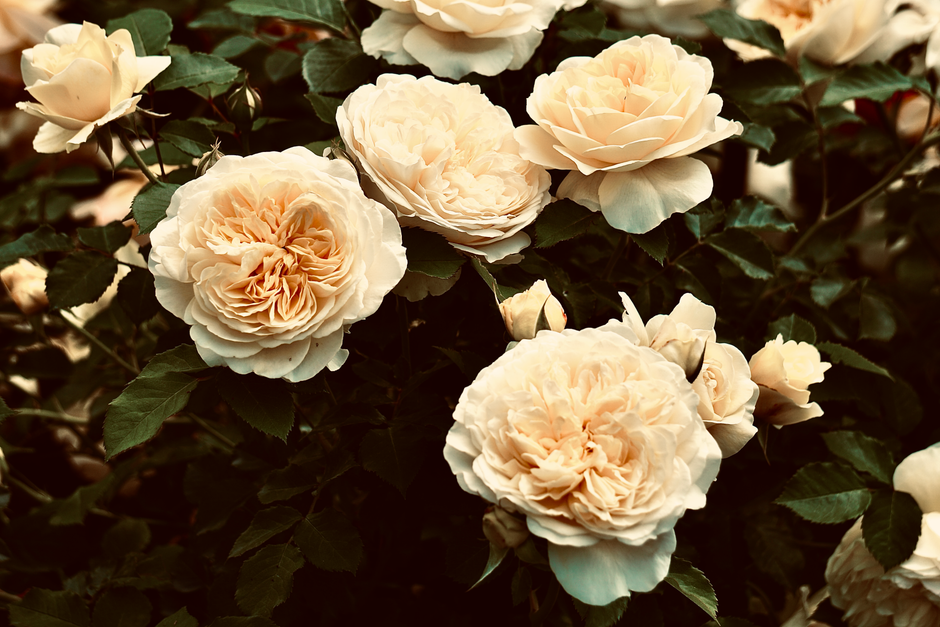
Rose mallow is a group of large-flowered hibiscus native to North American wetlands, and it grows best in full sun with consistently moist to wet soil. Plant it in spring or early summer, water it deeply during its first season while roots establish, and cut stems back in late winter or early spring. Unlike tropical hibiscus, rose mallow is a hardy herbaceous perennial that dies back to the ground each winter and returns the following year.
The plants most often sold as rose mallow are Hibiscus moscheutos and its close relatives, sometimes called swamp mallow or hardy hibiscus. They are not the same plant as tropical hibiscus, and they are not the same as the marsh mallow of herbal tea fame. Getting this clear at the start saves a lot of confusion, because the care these plants need is quite different from what a tropical hibiscus requires.
What Exactly Is Rose Mallow Hibiscus?
Rose mallow is a cold-hardy perennial in the mallow family, Malvaceae. It grows as a clump of upright stems that emerge late in spring, then produce dinner-plate-sized flowers in summer. The blooms can reach 6 to 12 inches across depending on the variety, which is why the plants draw so much attention.
In the wild, these hibiscus grow along streambanks, marshes, and wet meadows across much of the eastern and central United States. That native habitat tells you almost everything about their preferences: sun, water, and soil that rarely dries out completely.
One thing that surprises many new growers is how late the plants appear in spring. Rose mallow is one of the last perennials to break dormancy. A plant that looks dead in May is often perfectly healthy and simply waiting for soil to warm. This late start is normal, not a sign of failure.
Gardeners sometimes confuse rose mallow with rose of Sharon (Hibiscus syriacus), a woody shrub. Rose of Sharon has smaller flowers and woody stems that persist through winter. Rose mallow has thick, soft stems that die to the ground. The care for each is different.
Where Should You Plant Rose Mallow Hibiscus?
Plant rose mallow in full sun. Six or more hours of direct light per day supports the strongest stems and heaviest flowering. Plants in part shade will grow but tend to flower less and may flop over.
Soil moisture matters more than soil richness. These plants evolved in wet ground and tolerate standing water far better than drought. Average garden soil works if you water consistently. Heavy clay is usually fine. Sandy soil that drains fast will need more frequent irrigation.
Good planting sites include:
- Rain gardens and low spots where water collects
- Ponds and stream edges, as long as the crown is not submerged
- Borders with irrigation access
- Large containers, using a heavy potting mix that holds moisture
Give the plants room. Mature clumps can spread several feet wide, and spacing them too close limits airflow, which matters for disease prevention. A spot with good air movement around the stems is better than a crowded corner.
The crown — the point where stems meet roots — should sit at or just slightly below the soil surface. Planting too deep can rot the crown, especially in wet soils. This is one of the few planting details that genuinely affects survival.
How Much Water Does Rose Mallow Need?
Rose mallow needs consistently moist soil, and during the first growing season it needs regular deep watering while roots establish. After that, established plants are surprisingly drought-tolerant for a wetland species, though they flower best with steady moisture.
The honest guidance is this: water when the top inch or two of soil begins to dry. In hot weather that may mean every few days. In cool weather, much less often. Plants in containers dry out faster than plants in the ground and usually need more frequent attention.
Signs of water stress include wilting during the day, yellowing lower leaves, and buds that drop before opening. Wilting that recovers overnight is often just midday heat. Wilting that persists into morning usually means the soil is genuinely dry.
Rose mallow tolerates wet feet better than most garden perennials, but even it can suffer if the crown stays submerged for long periods. Wet soil is fine. A crown sitting in stagnant water for weeks is not.





How Do You Fertilize and Maintain Rose Mallow?
Rose mallow is not a heavy feeder. A light application of a balanced fertilizer in spring, as new growth appears, is usually enough. Too much nitrogen pushes soft, floppy growth with fewer flowers — a common mistake with this plant.
Mulch helps in two ways. It holds moisture in the soil and suppresses weeds around the base. Two to three inches of organic mulch is a reasonable depth. Keep mulch a little away from the stems themselves to avoid holding moisture against the crown.
Staking is sometimes necessary. Stems can be tall and the flowers are heavy, so wind and rain may cause flopping. Placing a support ring early in the season, before stems get tall, works better than trying to prop up leaning plants later.
Deadheading spent flowers encourages continued bloom through the season. It is not strictly required, but it keeps the plant looking tidy and can extend flowering.
When and How Should You Prune Rose Mallow?
Prune rose mallow in late winter or early spring, cutting the previous year’s stems back to a few inches above the ground. The old stems are dead by then and removing them makes room for new growth.
Do not cut the plant back in fall. Leaving the stems standing through winter provides some insulation to the crown and marks where the plant is, which helps prevent accidental digging. Cut them down once new growth begins to show in spring, or just before.
If the plant gets too tall or floppy midseason, you can pinch or lightly trim stems in early summer. This encourages a bushier habit, though it may delay flowering slightly. Avoid hard pruning during active bloom.
What Problems Affect Rose Mallow?
Rose mallow is generally tough, but a few issues are common. The most frequent is Japanese beetle damage. These beetles feed on the foliage and flowers in midsummer, and heavy infestations can skeletonize leaves quickly. Hand removal in early morning, when beetles are sluggish, is a practical first step for small plantings.
Aphids and whiteflies can appear on new growth. These are usually manageable with a strong spray of water or insecticidal soap, applied according to label directions. As with any pesticide, follow the product label exactly.
Fungal leaf spots can occur in humid weather, especially where plants are crowded and air circulation is poor. Good spacing and avoiding overhead watering in the evening reduce the risk. Severe cases may warrant a fungicide, but this is not usually necessary for home gardens.
Bud drop is often environmental rather than pest-related. Sudden drought, extreme heat, or a major shift in conditions can cause buds to fall before opening. The plant usually recovers and resumes blooming once conditions stabilize.
Deer resistance is worth a note. Rose mallow is sometimes listed as deer-resistant, but deer pressure varies enormously by region and season. In areas with heavy deer populations, no plant is reliably safe. Treat resistance claims with caution.
How Do You Propagate Rose Mallow?
Rose mallow is easy to propagate by division or from seed, though seed-grown plants may not match the parent exactly. Division is the more reliable way to keep a specific variety true.
To divide, dig the clump in early spring just as new growth emerges. Use a sharp spade to cut through the root mass, keeping several stems and a healthy section of roots in each division. Replant at the same depth and water well.
Starting from seed takes more patience. Seeds need a period of cold, moist conditions to germinate well — a process called cold stratification. Some gardeners sow seeds outdoors in fall and let winter do the work. Others refrigerate moist seeds for several weeks before sowing indoors. Germination can be slow and uneven, so do not expect uniform results.
Do You Need to Winterize Rose Mallow?
Rose mallow is winter-hardy across a wide range of climates, and most gardeners do not need to do anything special to protect it. The plant dies back naturally and returns from its roots in spring.
In the coldest parts of its range, a layer of mulch over the crown after the ground freezes can add protection. Apply mulch after the soil has cooled, not before, so the plant is not encouraged to stay active into winter.
The main winter risk is not cold — it is excess moisture around a poorly drained crown. Good drainage in the planting site protects the plant more than any winter covering.
Frequently Asked Questions
Is rose mallow the same as tropical hibiscus?
No, rose mallow is a cold-hardy perennial that dies back to the ground each winter, while tropical hibiscus is a tender plant that cannot survive freezing temperatures outdoors. Their care needs differ significantly.
Why is my rose mallow not coming up in spring?
Rose mallow is one of the last perennials to break dormancy and may not show growth until late spring or even early summer in cool climates. Wait until soil has warmed well before assuming the plant has died.
Can rose mallow grow in a container?
Yes, rose mallow can grow in a large container, but it needs frequent watering because containers dry out faster than garden soil. Use a heavy potting mix that holds moisture and place it in full sun.
Does rose mallow come back every year?
Yes, rose mallow is a herbaceous perennial that returns from its roots each spring in its hardy range. Cut the dead stems back in late winter or early spring to make way for new growth.
