
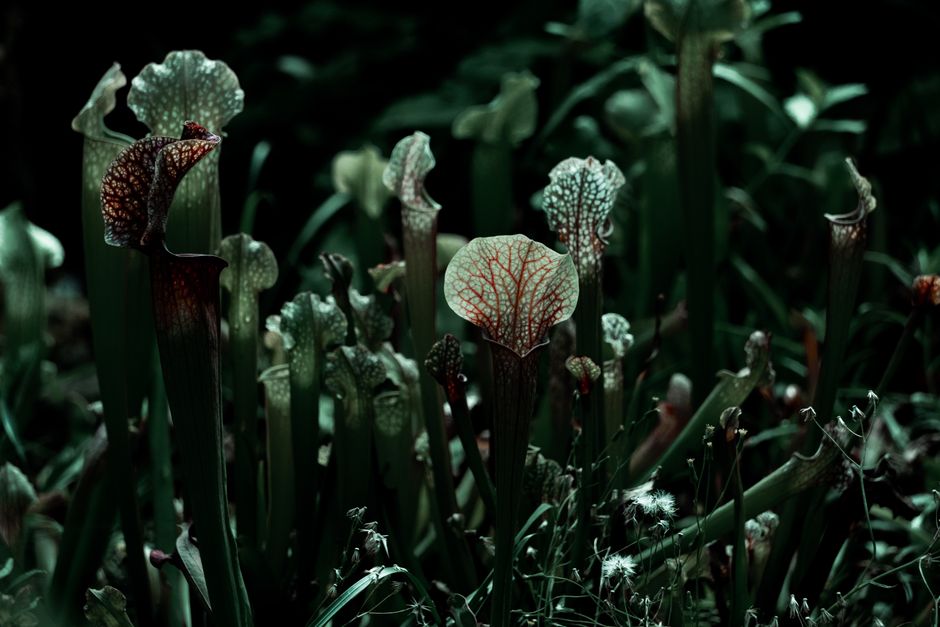
Sarracenia farnhamii is a carnivorous pitcher plant that needs full sun, pure water, and nutrient-poor soil to thrive. It is a naturally occurring hybrid, a cross between the pale pitcher plant (Sarracenia leucophylla) and the purple pitcher plant (Sarracenia purpurea), and it inherits traits from both parents. Grow it outdoors in a bog garden or in a container using a mix of peat moss and perlite, water it only with rainwater or distilled water, and never add fertilizer to the soil. The plant is hardy in cold climates and, with the right conditions, can live for decades.
What Is Sarracenia Farnhamii?
Sarracenia farnhamii is a hybrid pitcher plant. It grows tall, upright tubes called pitchers that trap and digest insects. The plant gets most of its nutrients from those insects rather than from soil, which is why it evolved in bogs where the ground is waterlogged and poor in nutrients.
It is a naturally occurring hybrid, meaning it appears in the wild where the two parent species grow near each other. The pale pitcher plant contributes tall, upright pitchers with white patches near the top. The purple pitcher plant contributes shorter, more squat pitchers and greater cold tolerance. The hybrid tends to show a mix of both.
This is not a tropical houseplant. It is a temperate bog plant native to the southeastern United States and it expects real sunlight, seasonal changes, and a cold winter rest. Treat it like a garden perennial, not like a fern on a windowsill.
How Much Sunlight Does Sarracenia Farnhamii Need?
Sarracenia farnhamii needs full sun, meaning at least six hours of direct sunlight per day and ideally more. This is not a plant that tolerates shade. In less than full sun, the pitchers grow weak and floppy, the colors fade, and the plant produces fewer traps.
Full sun is what drives pitcher production and the red and white coloration the plant is prized for. Growers who move these plants from shade into strong light often see a visible difference within a single growing season. If you are starting a plant indoors, harden it gradually to full outdoor sun rather than moving it straight out, because sudden exposure can scorch leaves grown in low light.
In very hot climates, some growers provide light afternoon shade to keep the water in the pitchers from overheating. This is a judgment call, not a rule. The core requirement is strong direct light for most of the day.
What Soil and Water Does It Need?
Sarracenia farnhamii needs nutrient-poor, acidic soil and pure water. The two most common mistakes with this plant are feeding it through the soil and watering it with tap water. Both can kill it.
Use a soil mix of peat moss and perlite, or peat moss and coarse sand. Do not use potting soil, compost, or anything labeled as fertilizer-enriched. Those products contain nutrients the plant cannot handle. The roots of carnivorous plants are not built to absorb fertilizer, and added nutrients can burn them.
For water, use rainwater, distilled water, or reverse-osmosis water. Tap water contains dissolved minerals, and over time those minerals build up in the soil and damage the plant. If you must use tap water, know that many municipal supplies are too mineral-rich for long-term use. Rainwater collected from a roof is the simplest reliable source for most growers.
Keep the soil consistently wet. In a bog garden or container, the standard method is to stand the pot in a tray of water so the soil stays saturated. Many growers keep the water level around an inch or two up the side of the pot during the growing season. The exact depth is less important than keeping the medium from ever drying out.





How Should You Water and Feed a Pitcher Plant?
Water from the bottom by keeping the pot in a tray, and do not fertilize the soil. The plant feeds itself by catching insects, and that is the only feeding it needs.
Never pour water into the pitchers to top them up unless the plant is wilting badly. The pitchers contain digestive fluid the plant produces itself, and diluting it with extra water can reduce its ability to digest prey. Some growers add a little water to a pitcher that has gone dry, but this is a rescue measure, not routine care.
Do not fertilize. This is the single most common way people harm carnivorous plants. The plant is adapted to nutrient-poor conditions, and the insects it catches supply what it needs. A plant grown outdoors in a garden usually catches plenty on its own. A plant kept in an enclosed space may catch fewer insects, but even then, fertilizing the soil is not the answer.
If a pitcher turns brown and dies back, that is normal. Old pitchers die off naturally, especially late in the season. Trim dead pitchers at the base when they are fully brown.
Does Sarracenia Farnhamii Need a Winter Dormancy?
Yes. Sarracenia farnhamii needs a cold winter rest to stay healthy long term. This is a temperate plant, and dormancy is part of its natural cycle, not an optional extra.
During dormancy, the plant stops growing and may die back to the rhizome or keep a few short, tough pitchers. Growth slows or stops entirely. This rest period is normal and healthy. Plants kept warm and growing year-round tend to weaken over time and produce fewer and smaller pitchers the following season.
In cold climates, the plant can usually stay outdoors through winter if it is in the ground or in a container that does not freeze solid. The rhizome and roots need to stay cold but not frozen hard, and the soil should not dry out. In very cold regions, growers often move containers to a sheltered spot, an unheated garage, or a cold frame. The key is to keep the plant cold and damp but protected from deep freezes that could damage the rhizome.
This hybrid’s purple pitcher plant parent contributes cold tolerance, which is one reason Sarracenia farnhamii is considered a good choice for growers in cooler regions compared with some other pitcher plants.
How Do You Repot and Propagate Sarracenia Farnhamii?
Repot in late winter or early spring, just as new growth is starting, and divide the rhizome at the same time if you want more plants.
Sarracenia farnhamii spreads by a thick underground stem called a rhizome. Over time, a single plant forms a clump of connected growth points. To propagate, lift the plant and separate sections of the rhizome, each with its own roots and growth point. Replant each division in fresh peat and perlite and keep it wet.
Repotting is also a chance to refresh the soil, which can break down over a few years. Use the same nutrient-poor mix. Do not add anything to enrich it. Handle the rhizome gently and keep the divisions out of direct sun for a short period while they settle.
Division is the reliable way to make more plants. Growing from seed is possible but slow, and seed-grown plants can vary widely because this is a hybrid.
What Problems Affect Sarracenia Farnhamii?
Most problems with Sarracenia farnhamii come from the growing conditions, not from pests or disease. Too little sun, tap water, and fertilizer cause more harm than anything else.
- Mineral buildup from tap water. Leaves and pitchers may yellow or the plant may decline over months. Switch to rainwater or distilled water.
- Fertilizer burn. Added nutrients damage the roots and can kill the plant. Remove enriched soil and repot in a plain peat mix.
- Weak, floppy growth. Usually a sign of too little light. Move the plant into more direct sun.
- Dried-out soil. The plant needs constant moisture. Keep the pot in a water tray.
- Rot from poor airflow. Constantly wet soil combined with still, humid air can encourage fungal problems. Good air movement helps.
Pests are relatively uncommon outdoors. Indoors, aphids and scale can sometimes appear on new growth. Rinse them off with water or use a gentle method suited to carnivorous plants, and avoid anything that leaves residue in the pitchers.
Can You Grow Sarracenia Farnhamii Indoors?
You can grow it indoors, but it is harder than growing it outdoors. The plant needs intense light and a cold winter rest, and both are difficult to provide inside a heated home.
If you grow indoors, a very bright, sunny window is the minimum, and many growers add strong supplemental lighting. The bigger challenge is dormancy. A warm indoor room does not provide the cold rest the plant needs, so indoor growers often move plants to a cool, bright spot for winter or keep them outdoors for that season.
Outdoors in a bog garden or a container on a sunny patio is the easier path for most people. The plant is built for that environment, and outdoor growing supplies the sunlight, airflow, and seasonal cold it expects.
Frequently Asked Questions
Can I use tap water for Sarracenia farnhamii?
No, tap water contains minerals that build up in the soil and can damage the plant over time. Use rainwater, distilled water, or reverse-osmosis water instead.
Do I need to feed Sarracenia farnhamii insects?
No, a plant grown outdoors usually catches enough insects on its own. Never fertilize the soil, because added nutrients can harm or kill the plant.
Will Sarracenia farnhamii survive winter outdoors?
It usually can, because it is a cold-hardy temperate plant that needs a winter rest. Protect the pot from deep freezes and keep the soil damp but not frozen solid.
Why are the pitchers on my Sarracenia farnhamii turning brown?
Older pitchers die back naturally, especially late in the season, and this is normal. Widespread browning or weak growth can point to too little sun, tap water, or fertilizer in the soil.
