
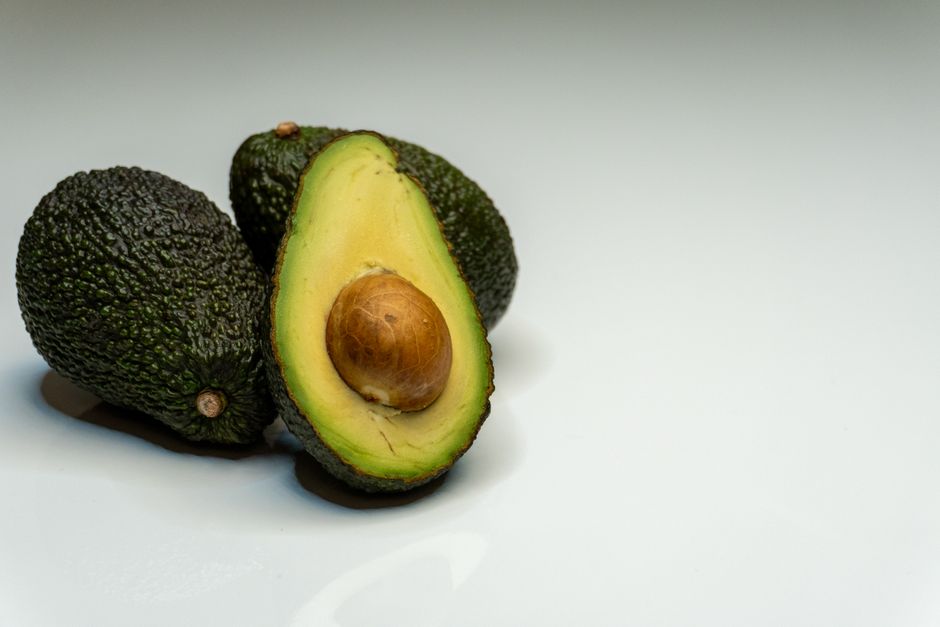
There is no clinical evidence that avocado seed reduces joint pain. No human trials have tested it for arthritis or any other joint condition. The seed does contain compounds that scientists have studied in lab dishes, but that research has not moved into people. If you want to try it anyway, the safest approach is to treat it as a food experiment, not a treatment, and to keep your doctor informed.
Does Avocado Seed Actually Help Joint Pain?
No study in humans has tested avocado seed for joint pain. That is the honest starting point.
What exists is laboratory research. Avocado seed extracts contain polyphenols, flavonoids, and other plant compounds that showed antioxidant and anti-inflammatory activity in test-tube and animal studies. That kind of finding is a starting point for research, not proof of a benefit in people. Many substances calm inflammation in a petri dish and do nothing measurable in a human body.
The gap matters because the human body is not a petri dish. A compound has to survive digestion, get absorbed, reach the joint in a useful amount, and then do something meaningful. Most plant extracts fail at one of those steps.
There is also a safety signal worth knowing. Avocado seed contains persin, a compound that is toxic to some animals and can cause harm in humans at high doses. Small amounts used in food have not been linked to serious harm in healthy adults, but concentrated extracts are a different matter. No established safe dose exists for joint pain, because no one has studied it for that purpose.
What Is in an Avocado Seed?
The seed is roughly 13 to 18 percent of the fruit’s weight, depending on the variety. It is rich in starch, fiber, and a range of plant compounds.
Laboratory analysis has identified:
- Polyphenols, including catechins and procyanidins
- Flavonoids with antioxidant activity in lab tests
- Persin, a fungicidal compound toxic to some animals
- Starch and dietary fiber
- Small amounts of fatty acids and minerals
Antioxidants neutralize unstable molecules called free radicals. In theory, that could reduce the oxidative stress that plays a role in joint inflammation. That theory is reasonable. Whether eating avocado seed delivers enough of these compounds to the joint to matter is unknown. No pharmacokinetic study has measured how much of these compounds reaches human joint tissue after eating the seed.
Persin deserves a direct mention. It is the same compound that makes avocado leaves and bark dangerous to livestock and pets. In humans, the risk from small food amounts appears low, but the margin is not well defined. Anyone considering a concentrated powder or extract is moving into territory with no safety data.
What Does Science Say About Avocado and Joint Health?
The strongest evidence in this area involves avocado oil, not the seed, and it is not strong.
A combination of avocado and soybean oils, often called ASU, has been studied for knee and hip osteoarthritis. Some trials reported modest improvements in pain and function. Others found no meaningful difference from placebo. Reviews of the evidence have reached mixed conclusions, with several noting that study quality was limited and results were inconsistent.
Even in the most favorable reading, the effect is modest. This is not a treatment that reverses joint damage. It may, in some people, take the edge off symptoms. That is a very different claim from what supplement marketing often suggests.
Notice what this means for the seed. The positive signal, such as it is, comes from the oil. The seed is a different part of the fruit with a different chemical profile. There is no reason to assume the seed carries the same effects. Anyone who tells you the seed works because avocado oil has been studied is making a leap the evidence does not support.





How Do People Use Avocado Seed for Joint Pain?
People who try this usually grate, dry, and grind the seed into a powder, then add it to smoothies, tea, or food. Some blend it directly. Others steep chunks in hot water. None of these methods has been tested for joint pain, so there is no established dose and no evidence any of them works.
If you decide to experiment, keep these practical points in mind:
- Start with a very small amount, such as a quarter teaspoon of grated fresh seed, and see how your body responds
- Avoid the seed if you are pregnant or breastfeeding. No safety data exists for these groups, and persin is a known concern
- Do not give avocado seed to children or pets
- Skip concentrated extracts and powders sold online. These have no safety data and no dosing standard
- Tell your doctor, especially if you take blood thinners or anti-inflammatory drugs
The taste is bitter and astringent. Many people find it unpleasant enough that they stop after a few tries. That is worth knowing before you buy anything.
What Are the Risks of Eating Avocado Seed?
The main risk is the unknown. No clinical guidelines exist for avocado seed consumption in any population, for any purpose.
Persin is the clearest concern. It is toxic to birds, rabbits, and some livestock, and it has been linked to mastitis and heart damage in animals that eat avocado plant material. Human reactions at food-level doses have not been well documented, which is not the same as proven safe. It means the data is missing.
Other considerations:
- Digestive upset, including cramping or loose stools, is plausible with larger amounts
- The seed is hard and can be a choking hazard if not properly ground
- Raw seed contains compounds that may interfere with nutrient absorption in large amounts
- Anyone with a latex allergy may react to avocado, since the proteins are related
If you experience stomach pain, vomiting, or any unusual symptom after eating avocado seed, stop and contact a healthcare provider.
What Actually Helps Joint Pain?
Established approaches have real evidence behind them. Avocado seed does not.
For osteoarthritis, the most supported strategies include staying physically active with low-impact exercise, maintaining a healthy weight, physical therapy, and pain relief medications recommended by a doctor. Weight loss matters because every pound of body weight puts several pounds of force through the knee with each step. Losing even a modest amount can reduce knee pain for people with osteoarthritis.
For inflammatory arthritis such as rheumatoid arthritis, early treatment with disease-modifying drugs changes outcomes. This is not a condition to manage with food experiments. Delaying effective treatment can allow joint damage to progress.
A healthy diet does support joint health in general. Eating patterns rich in vegetables, fruits, whole grains, and omega-3 sources are associated with lower inflammation markers in some studies. That is a reasonable foundation. It is not the same as claiming a specific seed treats a specific condition.
Should You Try It?
You can try small amounts of avocado seed in food if you understand that the evidence for joint pain is absent. Do not expect it to work. Do not use it instead of treatment your doctor has recommended.
The larger point is about how to read claims like this. When a food or supplement is promoted for a condition, ask whether any human trial has tested it for that condition. For avocado seed and joint pain, the answer is no. That does not mean it is dangerous in small food amounts. It means the marketing has run ahead of the science, and you should weigh that honestly before spending money or delaying real care.
If joint pain is affecting your daily life, that is worth a conversation with a doctor. Effective options exist. A seed is not one of them.
Frequently Asked Questions
Does avocado seed cure arthritis?
No. There is no clinical evidence that avocado seed treats or cures any form of arthritis, and no human trials have tested it for this purpose.
Is avocado seed safe to eat?
Small amounts in food have not been clearly linked to harm in healthy adults, but no established safe dose exists and the seed contains persin, which is toxic to some animals. Avoid it during pregnancy and breastfeeding, and keep it away from children and pets.
How much avocado seed should I take for joint pain?
No dose has been established because no study has tested avocado seed for joint pain. Any specific amount you see recommended online is not based on clinical evidence.
Can I use avocado seed instead of my arthritis medication?
No. Do not stop or replace prescribed arthritis treatment with avocado seed, since doing so could allow joint damage to progress.
