
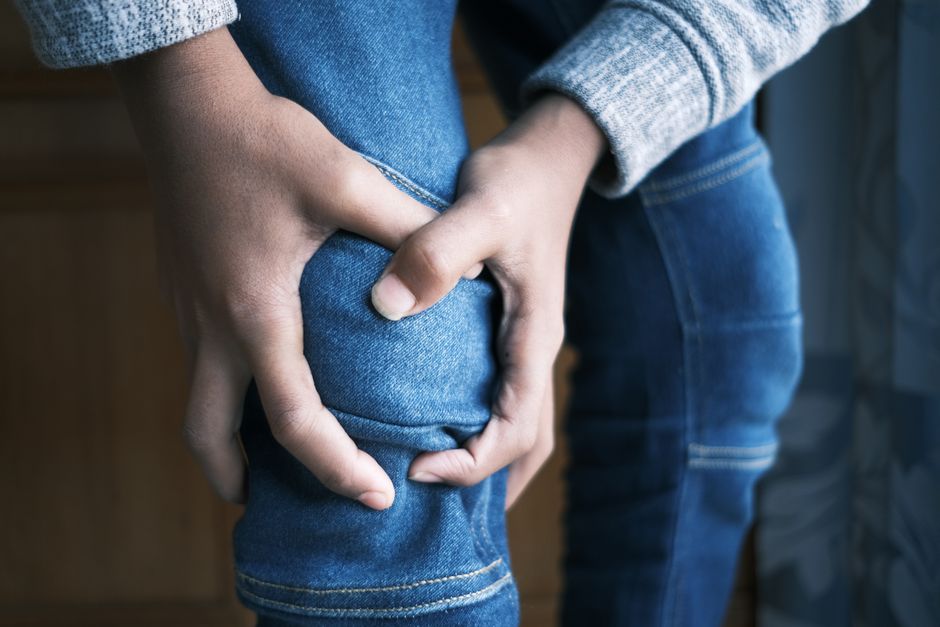
There is no single barometric pressure reading that triggers joint pain. Weather-related joint pain is not caused by a specific number on a barometer. It is linked to changes in pressure — especially a falling barometer before a storm — and to how fast those changes happen. Two people with the same arthritic knee can respond completely differently to the same weather front.
That is the honest answer. The research on this topic is real but not settled. Studies have found associations between weather and joint symptoms. They have not found a clean threshold that applies to everyone. If you have ever felt your knee ache hours before a rainstorm, you are describing something many people report. Whether the barometer itself is the cause, or one piece of a larger picture, is still being worked out.
Does a Specific Level of Barometric Pressure Cause Joint Pain?
No specific number has been identified. There is no agreed cutoff — not 1000 millibars, not 29.5 inches of mercury — that reliably predicts joint pain across studies or across people.
Standard sea-level pressure is about 1013 millibars, or roughly 29.92 inches of mercury. Weather systems move that number up and down. A strong storm might drop it 20 to 30 millibars in a day. That drop is what many people with arthritis notice.
The problem is that researchers have struggled to reproduce this in controlled settings. Some studies using weather station data and patient symptom diaries find a link. Others find nothing. A review of the evidence found the results were inconsistent, with study design and how symptoms were measured varying widely. That inconsistency is not proof the effect is imaginary. It means the effect, if real, is subtle and hard to isolate.
What seems to matter more than the absolute number is the change. A rapid drop in pressure over a short period is more likely to be noticed than a steady low-pressure day. This fits what many people describe — symptoms arriving before the weather actually turns.
Why Would Pressure Changes Affect Joints at All?
The leading explanation involves pressure inside and around the joint. Joints are not sealed containers. They contain synovial fluid, cartilage, and a capsule that responds to the pressure of the surrounding environment.
When outside pressure drops, the theory goes, tissues inside the joint can expand slightly. In a healthy joint, that expansion is trivial and unnoticed. In a joint with arthritis — where cartilage is worn, the capsule is inflamed, and nerve endings are already sensitized — even a small change may be enough to produce pain.
There is a second proposed mechanism. Barometric pressure changes can affect the viscosity of synovial fluid, making it slightly thicker or thinner. Some researchers have suggested this alters how smoothly the joint moves. This idea is plausible but has not been confirmed in human studies.
A third factor is that pressure changes rarely arrive alone. They come with cold, humidity, rain, and changes in activity. Separating the effect of pressure from the effect of cold or from the fact that people move less on rainy days is genuinely difficult.
One clarification worth making: the sensation is not the joint “sensing the weather.” Nerves in and around the joint respond to mechanical and chemical changes. If pressure alters those, the brain interprets the result as pain. That is ordinary physiology, not a mysterious sixth sense.
What Does the Research Actually Show?
The evidence is mixed. That is the accurate summary.
Some studies have found that people with knee osteoarthritis report more pain on days with higher humidity and lower pressure. Others have found no relationship at all when they tracked symptoms and weather simultaneously. A few have found the opposite of what was expected.
The differences likely come down to how the studies were run. Symptom diaries depend on people remembering to fill them in. Weather data is often taken from a station miles from where the person lives. Pain is subjective and fluctuates for many reasons — sleep, activity, stress, medication timing. Any real weather effect can easily be drowned out by these other factors.
What the research does not show is a reliable threshold. No study has established that joint pain begins at a particular pressure reading. Anyone who tells you otherwise is going beyond what the data supports.
This does not mean your experience is wrong. It means the science has not yet caught up to it, and the effect may be real but small and highly individual.
Why Do Some People Feel It and Others Do Not?
Individual differences in joint sensitivity are the most likely explanation. A joint with advanced osteoarthritis, active inflammation, or recent injury has more sensitized nerve endings. Those nerves fire more readily in response to any stimulus, including whatever pressure changes do to the joint.
Other factors that may influence whether you notice weather-related pain:
- The amount of cartilage loss in the affected joint
- How much inflammation is currently present
- Your baseline pain sensitivity, which varies between people
- Whether you have other conditions such as fibromyalgia, where pain processing is altered
- How closely you pay attention to your symptoms and the weather
That last point is not a dismissal. Expectation and attention genuinely shape how pain is experienced. If you believe a storm will make your knee hurt, you may notice the ache more. This is a real effect in pain science, not a sign that the pain is imaginary.
Can You Predict Joint Pain From the Forecast?
Not reliably. Weather forecasts are accurate for temperature, rain, and wind. They are not designed to predict your joint pain, and no tool currently does this well.
Some people find that tracking their own symptoms alongside weather helps them spot a personal pattern. If you want to try this, note your pain level each day and check the barometric pressure for that day. After a few months you may see a trend. Or you may not. Either result is useful information.
What you should not do is plan your life around a forecast. Avoiding activity because rain is predicted can make joints stiffer and muscles weaker, which tends to make pain worse over time. Movement is one of the few things consistently shown to help arthritic joints, regardless of the weather.
What Actually Helps When the Weather Turns?
The strategies that help weather-related joint pain are the same ones that help arthritis pain in general. There is no weather-specific treatment.
Heat is widely used and often helpful for stiffness. A warm shower, a heating pad, or a warm compress can ease sore joints. Cold packs may help more with acute swelling. Which one works is individual — try both and see.
Staying active matters. Gentle movement keeps synovial fluid circulating and muscles supporting the joint. If a stormy day makes you want to stay still, a short walk or some range-of-motion exercises is usually better than complete rest.
Over-the-counter pain relievers can help. If you use them often, talk to your doctor. Regular use of some pain medications carries risks, particularly for the stomach, kidneys, and heart. That conversation is worth having rather than managing on your own.
Supplements marketed for joint pain are a separate matter. The evidence for most is weak. Glucosamine and chondroitin have been studied extensively, and results have been mixed, with many trials showing no clear benefit over placebo. Some people report improvement. That is possible, but it is not the same as proven effectiveness. No supplement has been shown to prevent weather-related flares.
If pain is worsening over time, or if it is interfering with sleep and daily activity, that is a reason to see a doctor. Weather sensitivity is not a sign that something new is wrong. But changing pain deserves a fresh look regardless of the forecast.
Frequently Asked Questions
What level of barometric pressure causes joint pain?
No specific level has been identified. Research has not found a reliable threshold, though many people report symptoms when pressure drops rapidly before a storm.
Does low barometric pressure make arthritis worse?
Some studies suggest a link between falling pressure and increased joint pain, but results are inconsistent across studies. The effect, if present, appears to vary widely between individuals.
Why do my joints hurt before it rains?
The leading theory is that falling pressure allows tissues around the joint to expand slightly, which sensitized nerves may register as pain. This has not been confirmed in controlled human studies.
Can I prevent weather-related joint pain?
There is no proven way to prevent it. Staying active, using heat for stiffness, and managing arthritis generally are the most reliable approaches.
