
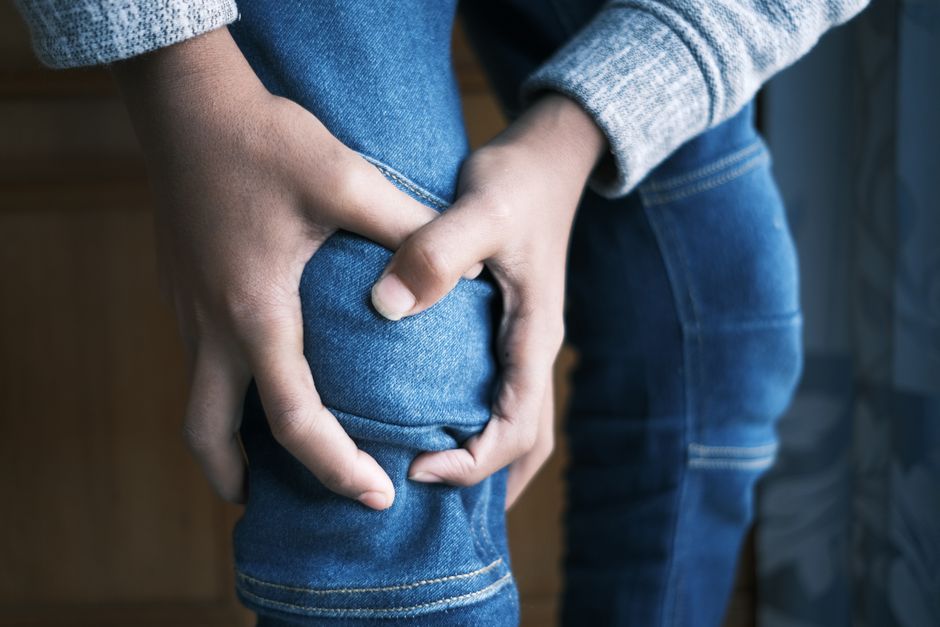
Joint pain sends millions of people searching for a simple cause they can fix. Calcium often comes up as a suspect. So here is the straight answer: a lack of calcium does not directly cause joint pain in most people. Joints are cushioned by cartilage and lubricated by synovial fluid, and calcium is not a main building block of either one. Calcium’s job is bone, muscle, nerve, and blood chemistry. When calcium runs low, the problems that show up are usually in those areas, not inside the joint itself.
That answer surprises people because calcium and joint health get bundled together constantly in supplement marketing. The two are related, but not in the way most ads suggest. This article explains what calcium actually does, how true deficiency shows up, and which conditions really do cause joint pain.
What Does Calcium Actually Do in the Body?
Calcium is the most abundant mineral in the human body, and about 99 percent of it is stored in bones and teeth. The remaining 1 percent circulates in blood and soft tissue, where it does work that keeps you alive.
That small circulating fraction matters enormously. Calcium helps muscles contract, including the heart. It supports nerve signaling. It plays a role in blood clotting. It helps regulate blood pressure and hormone release.
Because blood calcium is so critical, the body defends it aggressively. If you do not eat enough calcium, your body does not simply let blood levels drop. Instead, parathyroid hormone signals the bones to release calcium into the bloodstream. Over time, that borrowing weakens bone. This is why long-term calcium deficiency shows up as bone loss, not as joint pain.
The bones themselves are living tissue. They constantly break down and rebuild. Calcium, along with phosphorus, forms the mineral crystal that gives bone its hardness. Collagen provides the flexible framework. When calcium intake runs low for years, the balance tips toward breakdown.
Can Lack of Calcium Cause Joint Pain?
No, calcium deficiency is not a recognized cause of joint pain. This is one of the clearest points in the research, and it is worth stating plainly because so much marketing suggests otherwise.
Joints are where two bones meet. The ends of those bones are covered in cartilage, a slick tissue made mostly of collagen and water, not calcium. The joint is enclosed in a capsule and lined with a membrane that produces synovial fluid for lubrication. Pain in a joint usually comes from inflammation, cartilage wear, injury, or an immune attack on the joint lining.
Calcium is not a structural component of cartilage or synovial fluid in any meaningful way. That is the core reason a calcium shortage does not produce joint pain.
There is one indirect connection worth knowing. Severe, prolonged calcium deficiency causes osteomalacia in adults, a condition where bones soften because they are poorly mineralized. Osteomalacia can cause deep bone pain and muscle weakness. Some people describe aching near their joints. But this is bone pain, not true joint pain, and it typically comes with other signs. It is also uncommon in people eating a normal diet.
If you have joint pain, calcium is very unlikely to be the explanation. That does not mean calcium does not matter. It means you should look elsewhere for the cause.
What Are the Real Signs of Calcium Deficiency?
True calcium deficiency is less common than people assume, and its symptoms look different from joint pain. Low blood calcium, called hypocalcemia, produces specific effects.
- Muscle cramps and spasms, especially in the legs and back
- Tingling or numbness in the fingers, toes, and around the mouth
- Muscle twitching
- Fatigue and weakness
- Dry skin, brittle nails, and coarse hair with long-term deficiency
- Confusion, memory problems, or depression in more serious cases
Long-term low intake, rather than low blood levels, tends to show up differently. It contributes to reduced bone density and higher fracture risk over decades. There are often no symptoms at all until a bone breaks.
Genuine hypocalcemia usually has a medical cause rather than a dietary one. It can follow thyroid or parathyroid surgery, occur with kidney disease, result from certain medications, or stem from low vitamin D or magnesium. These are situations a doctor identifies through blood tests, not something you self-diagnose from joint aches.




What Actually Causes Joint Pain?
Joint pain has a long list of causes, and calcium is not on it. Knowing the real culprits helps you ask better questions.
Osteoarthritis is the most common form. Cartilage gradually wears down, and the joint can become stiff and painful with use. It usually affects the knees, hips, hands, and spine, and becomes more common with age.
Rheumatoid arthritis is an autoimmune condition. The immune system attacks the joint lining, causing inflammation, swelling, and pain, often in a symmetrical pattern affecting both hands or both wrists.
Gout happens when uric acid crystals build up in a joint, most often the big toe. Attacks are sudden and intensely painful.
Injuries such as sprains, strains, and cartilage tears cause pain that is usually tied to a specific event.
Infections in a joint are uncommon but serious and require urgent care.
Other contributors include bursitis, tendinitis, lupus, psoriasis-related arthritis, and referred pain from other structures. The pattern, location, and timing of your pain give doctors the clues they need. That is why an accurate diagnosis matters more than guessing at a mineral shortage.
How Are Calcium and Bone Health Connected to Joints?
Calcium and joints are related, just not in the way the supplement aisle implies. The connection is bone, not cartilage.
Strong bones support the joints above and below them. When bone density drops, as in osteoporosis, the risk of fracture rises. A fracture near a joint can lead to lasting pain and stiffness. So protecting bone health indirectly protects how well you move.
Calcium alone does not build strong bone. Vitamin D is needed for the body to absorb calcium from the gut. Magnesium and other nutrients play supporting roles. Weight-bearing exercise signals bone to stay strong. Without these partners, extra calcium does little good.
This is also why calcium supplements are not a treatment for joint pain. They support bone, and bone support is valuable, but they do not address cartilage, inflammation, or the joint lining. Taking calcium for achy knees is aiming at the wrong target.
Should You Take Calcium for Joint Pain?
Calcium supplements are not a treatment for joint pain, and no major clinical guideline recommends them for that purpose. If a doctor has diagnosed low bone density or a deficiency, calcium may be appropriate. For joint pain alone, it is not.
Calcium is not risk-free when taken unnecessarily. High intake can cause constipation and, in some cases, contribute to kidney stones. Very high blood calcium is a serious medical problem. More calcium is not automatically better.
If you are considering a supplement, talk with your doctor first. They can check your intake, review your medications, and test your blood if a deficiency is possible. Food sources of calcium, such as dairy, leafy greens, and fortified foods, are generally preferred over supplements when diet can meet the need.
For joint pain itself, the useful steps are different. Getting an accurate diagnosis comes first. Depending on the cause, management may include physical therapy, weight management, specific medications, or joint protection strategies. These are the approaches with evidence behind them.
When Should You See a Doctor About Joint Pain?
See a doctor if joint pain lasts more than a few weeks, interferes with daily activity, or comes with swelling, redness, or warmth. Those signs point to inflammation that needs evaluation.
Get urgent care if a joint is hot, swollen, and you have a fever. That combination can signal infection, which is a medical emergency. Also seek prompt care after an injury that causes severe pain, deformity, or inability to bear weight.
Morning stiffness lasting more than an hour, pain in many joints at once, or joint pain alongside fatigue and rash can suggest an inflammatory or autoimmune condition. These patterns deserve a rheumatology evaluation rather than self-treatment.
Joint pain is common, and most causes are manageable. The key is finding the right cause. Calcium is rarely it.
Frequently Asked Questions
Can low calcium cause joint pain?
No, low calcium does not directly cause joint pain because calcium is not a main component of cartilage or joint fluid. True calcium deficiency shows up as muscle cramps, tingling, and bone loss over time, not as joint pain.
What are the symptoms of calcium deficiency?
Low blood calcium can cause muscle cramps, tingling in the fingers and around the mouth, muscle twitching, and fatigue. Long-term low intake often causes no symptoms until bone density drops and a fracture occurs.
Does calcium help with arthritis pain?
No, calcium does not treat arthritis pain, and no major guideline recommends it for that purpose. Arthritis involves cartilage wear or joint inflammation, which calcium does not address.
What nutrient deficiency causes joint pain?
No single nutrient deficiency is a well-established direct cause of joint pain. Vitamin D deficiency can cause bone and muscle pain, which some people confuse with joint pain, so a doctor may test for it.
