
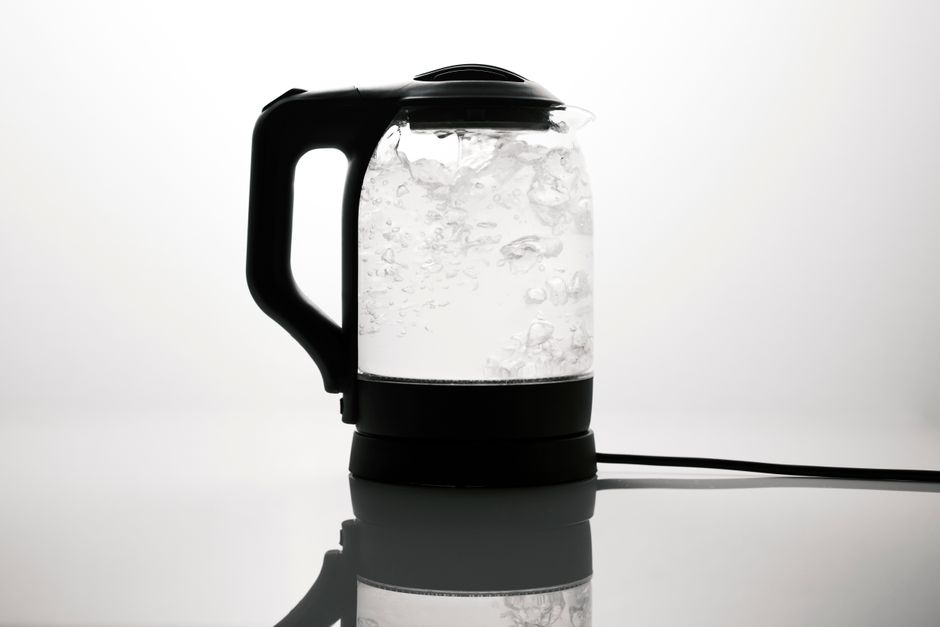
An electric kettle is one of the simplest kitchen appliances you will ever use, but doing it correctly matters for both safety and taste. The basic process is straightforward: fill it with fresh water, place it on the base, switch it on, and wait for it to boil. Once it clicks off automatically, pour the hot water carefully and let the kettle cool before refilling. That is the entire core routine. But the details — how much water to use, how to clean it, and what to avoid — are where most mistakes happen.
How To Use An Electric Kettle Step By Step
Start by removing the kettle from its power base and opening the lid. Fill it with fresh, cold tap water. Do not fill it past the maximum fill line marked inside or on the side of the kettle. Most kettles have a minimum fill line too, usually because the heating element needs to be fully submerged to work safely. If you are boiling water for a single cup of tea or coffee, only boil what you need. Boiling extra water wastes electricity and time.
Place the kettle back on its base and make sure it is seated properly. The base should be on a flat, dry, stable surface. Plug the base into a wall outlet. Press the switch or button to start heating. Most kettles have a lever or button that clicks down, and a small light comes on. Wait for the water to boil. The kettle will switch itself off automatically when the water reaches boiling point. That click is your signal that it is done.
Pour the hot water carefully, holding the handle firmly. Tilt slowly to avoid splashing or steam burns. After pouring, set the kettle back on its base. If you are done using it, unplug the base and let the kettle cool completely before cleaning or refilling.
What Type Of Water Should You Use?
Fresh cold tap water is the standard choice for most people. It contains dissolved oxygen, which some people say improves the taste of tea and coffee compared to water that has been boiled and cooled before. If your tap water is heavily mineralized, you may notice white scale building up inside the kettle over time. That scale is mostly calcium carbonate. It is not harmful to drink, but it can affect taste and make your kettle less efficient.
Filtered water is a fine alternative if you prefer the taste or want to reduce scale buildup. Distilled water will not produce scale, but it can taste flat because it lacks minerals. Never use water from a hot water tap. Hot tap water can contain more dissolved metals and sediment from your water heater. Always start with cold water.
How Much Water Should You Put In The Kettle?
Check the markings inside the kettle. Most models have a minimum and maximum line. The minimum line exists because the heating element needs to be covered with water. Running the kettle dry can damage the heating element and create a fire hazard. The maximum line prevents boiling water from spilling out of the spout or lid while heating.
Boil only the amount you need. If you are making one cup of tea, fill to the minimum line or just above it. This saves electricity and time. A full kettle takes longer to boil and uses more energy. Some newer kettles have a “keep warm” function or variable temperature settings. Those are useful for different types of tea, but they are not necessary for basic use.




How Do You Clean An Electric Kettle?
Scale buildup is the most common problem with electric kettles, especially in areas with hard water. You should descale your kettle regularly, roughly every one to three months depending on how often you use it and how hard your water is. You will know it is time when you see white flakes in your water or a chalky film inside the kettle.
The simplest descaling method uses white vinegar. Fill the kettle halfway with equal parts water and white vinegar. Boil the mixture, then let it sit for 15 to 30 minutes. Pour it out and rinse the kettle thoroughly with fresh water. Boil a full kettle of clean water and discard it to remove any lingering vinegar taste. You can also use food-grade citric acid, which is sold specifically for descaling. Follow the package instructions for the correct amount.
Do not use abrasive scrubbers or harsh chemical cleaners on the inside of the kettle. They can scratch the surface and damage the coating. A soft cloth or sponge is enough. Wipe the outside with a damp cloth to remove fingerprints and dust. Never submerge the kettle itself in water. Only the base can be wiped down, and it should be unplugged first.
What Safety Precautions Matter Most?
Electric kettles are generally safe because they have an automatic shutoff feature. That feature is designed to prevent the kettle from boiling dry or overheating. However, that safety mechanism only works if the kettle is functioning properly. If your kettle does not switch off automatically when the water boils, stop using it and replace it.
Keep the kettle cord away from the edge of the counter where it can be pulled. Never let the cord dangle where a child or pet could grab it. Place the kettle far enough from the counter edge that a handle or spout cannot be reached accidentally. Steam from the spout is hot and can cause burns. Do not hover directly over the spout while the kettle is boiling.
Do not open the lid while the water is boiling. The steam released can burn your face, hands, and arms. Wait until the kettle has switched off and stopped steaming before opening the lid. If you need to add more water after a boil, let the kettle cool for a few minutes first. Adding cold water to a very hot kettle can cause it to crack or produce a sudden burst of steam.
Can You Boil Anything Other Than Water?
No. Electric kettles are designed for water only. Do not boil milk, broth, soup, or any other liquid. These liquids can foam, overflow, and damage the heating element. They also leave residue that is difficult to clean and can burn onto the heating element, creating odors and affecting the taste of future water.
Do not use the kettle to cook food, heat baby formula, or melt anything. The kettle is a single-purpose appliance. If you need hot water for cooking, such as for pasta or rice, boil it in the kettle and pour it into your pot. That is a legitimate and common use. But do not put food directly into the kettle.
How Do You Store An Electric Kettle?
Store the kettle on its base in a dry place. Unplug the base when not in use. Leaving it plugged in is not dangerous, but unplugging it saves a tiny amount of standby power and reduces the risk of accidental activation. If you store the kettle with water in it, you risk mold and bacterial growth. Empty the kettle after each use and leave the lid open to allow the inside to dry completely.
If you live in an area with hard water, consider using filtered water specifically to reduce scale. Some people use a pinch of salt or baking soda in the water to reduce scaling, but these methods are not well supported by evidence and can affect taste. The most reliable approach is regular descaling with vinegar or citric acid.
Frequently Asked Questions
Is it safe to leave an electric kettle plugged in?
Yes, it is generally safe because the kettle only heats when the switch is pressed. However, unplugging the base when not in use is a simple habit that prevents accidental activation and saves a small amount of standby power.
Why does my electric kettle turn off before the water boils?
This usually means the kettle is detecting that the heating element is too hot, which can happen if there is not enough water in the kettle. Check that the water level is above the minimum line, and descale the kettle if you see heavy mineral buildup.
Can I boil water in an electric kettle for baby formula?
Yes, you can boil water in a clean, freshly descaled kettle for formula preparation. Follow the formula manufacturer’s instructions for the correct water temperature, and always test the temperature before feeding.
How often should I descale my electric kettle?
Every one to three months is typical, depending on how often you use the kettle and how hard your water is. If you see white flakes in your water or a chalky film inside, it is time to descale.
