
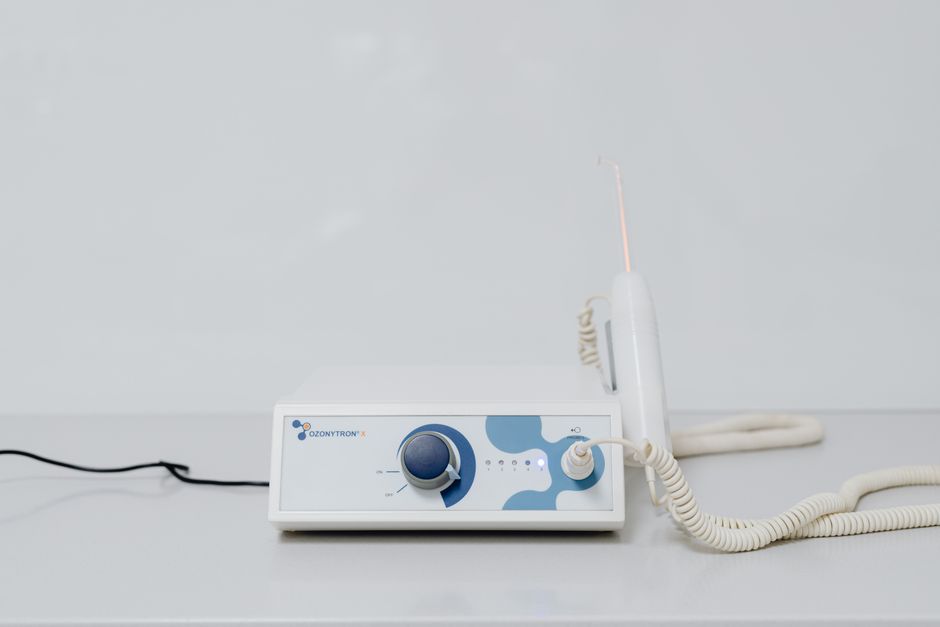
Using a microdermabrasion machine at home is simpler than you might think. You gently glide the handheld device across clean, dry skin to exfoliate the top layer of dead cells. Most machines use either a diamond tip or crystal spray combined with suction to buff away dullness and stimulate circulation. The key is to move slowly, use even pressure, and always follow up with moisturizer and sunscreen.
What Does a Home Microdermabrasion Machine Actually Do?
A home microdermabrasion machine physically exfoliates your skin. It removes the very top layer of dead skin cells, called the stratum corneum. The device uses a rough surface — either a diamond tip or sprayed crystals — combined with vacuum suction to lift and remove debris.
This process is different from chemical exfoliation, which uses acids to dissolve dead skin. Physical exfoliation with a machine gives you more control over depth and pressure. The suction also stimulates blood flow to the area, which can give skin a temporary glow.
Research published in the Journal of Cosmetic Dermatology found that microdermabrasion can improve the appearance of fine lines, sun damage, and mild acne scars after multiple sessions. The effects are cumulative. One treatment will not transform your skin. But consistent use every 1-2 weeks can produce visible changes over 2-3 months.
How To Use A Microdermabrasion Machine At Home Step by Step
Start with completely clean skin. Remove all makeup, sunscreen, and dirt. Wash your face with a gentle cleanser and pat it dry. Your skin must be dry before you begin — the suction will not work well on wet skin, and it can cause dragging or irritation.
Select the appropriate tip for your skin. Most machines come with at least two tips: a coarse one for body or thick facial skin and a fine one for delicate areas like around the eyes. If you are unsure, start with the gentlest tip. You can always increase intensity later.
Hold the device at a 45-degree angle to your skin. Turn it on to the lowest suction setting first. Glide the tip across your skin in short, upward strokes. Do not hold the device in one spot — keep it moving. Each pass should take about 1-2 seconds. Cover each area of your face twice, no more.
Work in sections: forehead, cheeks, nose, chin. Avoid the eye area, lips, and any active breakouts or open wounds. The entire process should take 5-10 minutes. When you finish, your skin may look slightly pink. That is normal. Apply a hydrating serum or moisturizer immediately.
What Skin Types and Conditions Respond Best to Home Microdermabrasion?
Home microdermabrasion works best on normal, oily, and combination skin types. People with dull or rough texture often see the most improvement. Sun-damaged skin with fine lines and uneven pigmentation also responds well.
Some studies suggest that microdermabrasion can help with mild acne by clearing clogged pores. The suction removes surface oil and debris that contribute to breakouts. However, do not use the machine over active, inflamed acne lesions. It will spread bacteria and worsen the breakout.
Dry or sensitive skin requires caution. The physical exfoliation can strip natural oils and cause irritation. If you have rosacea, eczema, or psoriasis, do not use a microdermabrasion machine without checking with your dermatologist first. The suction and friction can trigger flares.
Dark skin tones can use microdermabrasion, but with extra care. Aggressive exfoliation can cause post-inflammatory hyperpigmentation — dark spots that take months to fade. Use the lowest setting and limit treatments to once every three weeks.





What Are the Real Risks and Side Effects of Home Microdermabrasion?
The most common side effect is temporary redness, which typically fades within a few hours. Some people experience mild swelling or a sunburn-like sensation. These are normal and usually resolve on their own.
More serious risks come from improper use. Holding the device in one spot too long can cause abrasion or bruising. Using too much pressure can damage the skin barrier. The American Academy of Dermatology warns that over-exfoliation — using the device more than once a week — can lead to chronic irritation, breakouts, and increased sensitivity.
Infection is a real but rare risk if you do not clean the device properly. Bacteria can build up on the tip between uses. Always rinse the tip with warm water and mild soap after each session. Some machines are not waterproof — check your manual. For those, use a disinfectant wipe on the tip only.
Do not use a home microdermabrasion machine if you have:
- Active acne, cold sores, or open cuts
- Rosacea or broken capillaries
- A recent chemical peel or laser treatment
- Skin cancer or a history of skin cancer in the treatment area
- Blood clotting disorders or take blood thinners
How Often Should You Use a Home Microdermabrasion Machine?
Once every 7-14 days is the standard recommendation. This gives your skin enough time to rebuild its protective barrier between treatments. Using it more frequently does not produce faster results — it increases the risk of damage.
Your skin’s response should guide your schedule. If your skin still feels sensitive or looks pink after a week, wait longer. If you have no irritation after 7 days, weekly use is fine. Pay attention to how your skin feels during cleansing and moisturizing. Stinging or tightness means you are overdoing it.
| Skin Type | Recommended Frequency | Notes |
|---|---|---|
| Normal | Every 7-10 days | Standard schedule works well |
| Oily | Every 7 days | Helps control surface oil |
| Dry | Every 14 days | Use gentle tip only |
| Sensitive | Every 21-28 days | Test small area first |
| Acne-prone (mild) | Every 10-14 days | Avoid active breakouts |
Common Mistakes People Make With Home Microdermabrasion
The biggest mistake is pressing too hard. The device does not need pressure — the suction and the tip do the work. Pressing hard causes drag, irritation, and uneven results. Let the machine glide over your skin with light contact only.
Another common error is using the device on damp skin. Many people think wet skin is cleaner or more receptive. In reality, wet skin creates friction that can cause micro-tears. Always work on completely dry skin.
Skipping sunscreen after treatment is a serious oversight. Microdermabrasion removes the top layer of skin, which temporarily increases sun sensitivity. The Skin Cancer Foundation notes that exfoliated skin is more vulnerable to UV damage. Use a broad-spectrum SPF 30 or higher for at least a week after each session. This is not optional.
Some people expect dramatic results after one use. Microdermabrasion is a gradual process. It works by stimulating collagen production and cell turnover over weeks. The first treatment may leave skin looking brighter, but real texture improvement takes 4-6 sessions. Be patient.
Finally, sharing tips or not cleaning the device between uses can cause infections. Treat the tip like a toothbrush — do not share it, and clean it thoroughly after each use. Replace the filter and tip according to the manufacturer’s instructions, usually every 3-6 months.
Frequently Asked Questions
Can I use a microdermabrasion machine if I have sensitive skin?
Yes, but only on the lowest setting and with the gentlest tip. Test a small area on your jawline first and wait 24 hours to check for reaction.
Should I use a microdermabrasion machine before or after washing my face?
Always use it after washing and drying your face completely. Skin must be clean and dry for the suction to work properly and to avoid irritation.
How long does it take to see results from home microdermabrasion?
You may notice smoother texture after one session, but visible improvement in fine lines and sun damage typically takes 4-6 weekly treatments.
Can I use a microdermabrasion machine around my eyes?
No. Keep the device at least one inch away from your eyes. The skin around the eyes is too thin and delicate for this treatment.
