
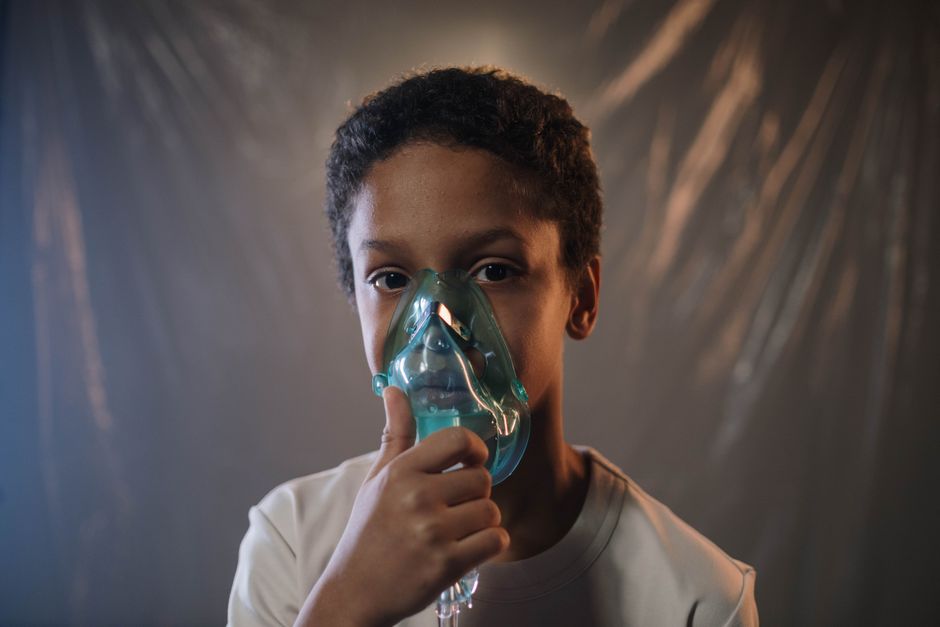
Asthma in children is caused by a mix of genetic factors and environmental triggers. If a child has certain genes, their airways may be more sensitive. Then, things like viruses, allergens, or air pollution can turn that sensitivity into asthma. It is not one single cause. It is a combination of inherited risk and what a child breathes in.
How Do Genes Influence Asthma Risk in Children?
Genes play a major role in whether a child develops asthma. Research from the National Institutes of Health has identified over 100 gene regions linked to asthma risk. Many of these genes affect how the immune system responds to the world around us.
A child with a parent who has asthma is about three times more likely to develop it themselves. If both parents have asthma, the risk is even higher. But genes alone do not determine the outcome. Many children with a family history of asthma never develop the condition.
The key point is that genes set the stage. They make a child more likely to have an overactive immune response in the airways. But something else usually needs to happen for asthma to appear.
What Environmental Triggers Actually Cause Asthma?
This is where the honest answer gets complicated. Many things are linked to asthma, but proving they directly cause it is harder. The strongest evidence points to a few specific triggers.
Respiratory viruses are the most well-established trigger. Studies have found that severe infections from respiratory syncytial virus (RSV) or rhinovirus in early childhood are strongly linked to later asthma. The virus damages the airways and changes how the immune system behaves.
Allergens like dust mites, pet dander, cockroach droppings, and mold are also major players. The CDC reports that about 60% of children with asthma have an allergic component. When a child with the right genes breathes in these particles, their immune system overreacts and inflames the airways.
Tobacco smoke is a clear and preventable cause. Children exposed to secondhand smoke have a 20-30% higher risk of developing asthma according to data from the American Lung Association. This includes smoke during pregnancy and after birth.
Air pollution from traffic and industrial sources is another well-studied trigger. Research published in the journal Environmental Health Perspectives found that children living near major roads have higher rates of asthma. The fine particles in pollution irritate the lungs and can trigger asthma in children who are already at risk.
What Causes Asthma In Children Triggers Genes Risks: How Do They Work Together?
This is the core of the question. Genes and triggers do not act alone. They interact. Scientists call this the “hygiene hypothesis” or more recently the “biodiversity hypothesis.” The idea is that children who are exposed to a wide range of microbes early in life tend to have lower asthma rates.
A child born into a home with a dog, for example, may have a lower risk of asthma than a child in a very clean home with no pets. The theory is that early exposure to diverse bacteria trains the immune system not to overreact to harmless things like dust or pollen.
But this is not simple. A child with strong genetic risk may still develop asthma even in a “protective” environment. And some children with no family history get asthma anyway. The interaction between genes and environment is not fully predictable.
What research does show clearly is that reducing known triggers can lower the chance of asthma developing or worsening. This is where practical action matters.




Can Childhood Asthma Be Prevented?
The honest answer is that we cannot prevent all cases. But we can reduce risk. The evidence for prevention is mixed, and many popular claims are overblown.
Breastfeeding has been studied extensively. Some research suggests it may lower asthma risk in early childhood, but the effect seems to fade by age 6 or 7. It is worth doing for many reasons, but it is not a guaranteed asthma prevention strategy.
Early allergen exposure is debated. Older advice told parents to avoid peanuts and dust mites. Current thinking from the American Academy of Pediatrics is different. Early exposure to common allergens may actually help the immune system learn tolerance. But this is still being studied and is not a firm recommendation for all families.
Reducing air pollution at home is more straightforward. Using a HEPA filter in the bedroom, keeping humidity below 50% to control dust mites, and never smoking indoors are actions with real evidence behind them.
Here is a simple comparison of what has strong evidence versus what is commonly claimed but not proven:
| Intervention | What Evidence Shows |
|---|---|
| No smoking in home | Strong evidence reduces asthma risk |
| Breastfeeding | Moderate evidence for small benefit in early years |
| Pet ownership | Mixed evidence – may help or hurt depending on child |
| Probiotics during pregnancy | Weak evidence – some small studies suggest possible benefit |
| Avoiding all allergens | Weak evidence – may actually increase sensitivity |
| HEPA air filters | Moderate evidence for reducing symptoms, not prevention |
What Are the Early Signs Parents Should Know?
Asthma in children under 5 is hard to diagnose. The symptoms look like many other childhood illnesses. But there are patterns that matter.
Recurrent wheezing is the most common sign. This is a high-pitched whistling sound when the child breathes out. If it happens more than once, especially without a cold, it needs attention.
Persistent coughing that gets worse at night, during exercise, or with laughter is another clue. Many parents think their child just has a lingering cold. But a cough that lasts more than three weeks, especially if it comes and goes, should be checked.
Rapid breathing or the chest pulling in between the ribs when breathing are signs of distress. These need immediate medical attention.
Some children have “exercise-induced asthma” where they cough or wheeze only after running or playing hard. This is common and treatable. It does not mean the child cannot be active.
Here are the key signs to watch for:
- Wheezing that happens more than once without a clear infection
- Coughing that wakes the child at night
- Shortness of breath during normal play
- Chest tightness or complaints that “my chest hurts”
- Frequent bronchitis or pneumonia
Common Misconceptions About Asthma Causes
There is a lot of bad information online. Some myths are harmless. Others cause parents to avoid treatments that work.
Myth: Asthma is caused by allergies. Allergies are a strong risk factor, but many children with asthma have no allergies. And many children with allergies never get asthma. They are related but not the same thing.
Myth: Asthma is caused by poor parenting or stress. This is false and harmful. Stress can trigger an asthma attack in a child who already has it, but it does not cause the disease. Parents of children with asthma are not at fault.
Myth: Asthma can be cured with diet or supplements. As of 2026, there is no clinical evidence that any diet, vitamin, or supplement can cure asthma. A healthy diet supports overall health, but it does not replace medical treatment. Some people report improvement with certain diets, but strong evidence is limited.
Myth: Children outgrow asthma. Some do. About half of children with asthma will have fewer or no symptoms as teenagers. But asthma is a chronic condition that can come back later in life. It does not simply disappear.
What Treatments Actually Work for Children?
Treatment is not the focus of this article, but it is important to know that asthma is manageable. The goal is to control symptoms so the child can live a normal active life.
Two main types of medication exist. Controller medications like inhaled corticosteroids reduce inflammation in the airways. They are taken daily to prevent attacks. Rescue medications like albuterol relax the airway muscles quickly during an attack.
The National Asthma Education and Prevention Program recommends a stepwise approach. Treatment starts low and increases only if needed. Many children can control their asthma with a low dose of inhaled steroid.
What does not work is avoiding all activity or keeping the child indoors. Physical activity is good for lung health. With proper treatment, most children with asthma can run, play sports, and keep up with their friends.
Frequently Asked Questions
Can asthma in children be caused by mold?
Yes, mold exposure is linked to asthma development and worsening symptoms in children who are already sensitive. The evidence is strongest for certain types of mold found in damp indoor environments.
Does having a family history of allergies mean my child will get asthma?
No, it increases the risk but does not guarantee asthma will develop. Many children with strong family histories never have any breathing problems.
Can asthma start suddenly in a child with no previous symptoms?
Yes, asthma can appear for the first time after a severe respiratory infection or a strong allergic reaction. It does not always develop gradually.
Is it safe for a child with asthma to have a pet?
It depends on the child. Some children do fine with pets, while others have worse symptoms. Allergy testing can help determine if a specific pet is a problem.
