
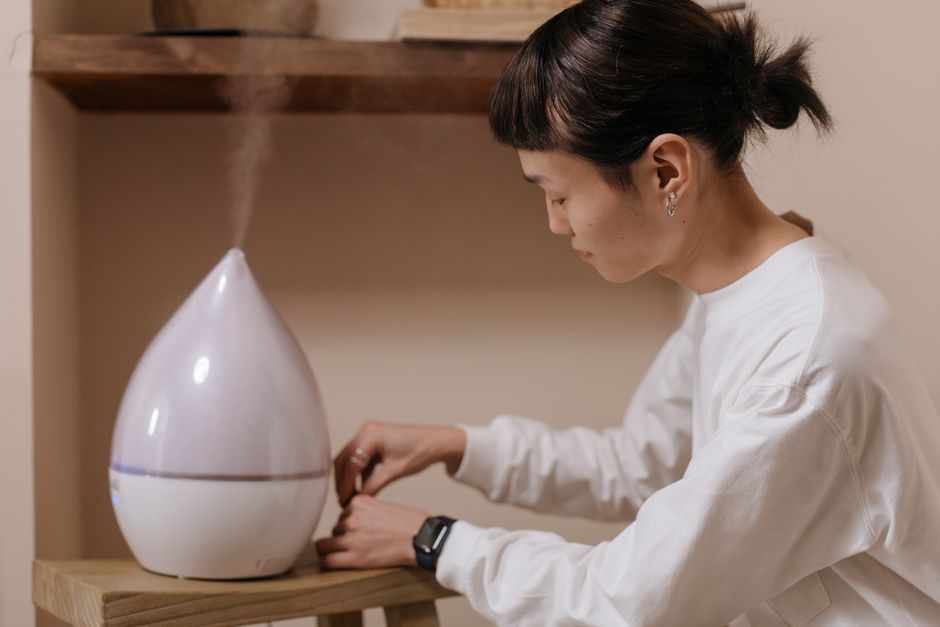
Using a humidifier without causing mold comes down to one main rule: keep the water fresh and the machine dry. Mold needs moisture, warmth, and a food source to grow. A humidifier provides the first two, and dust or mineral scale provides the third. If you empty the tank daily, clean it regularly, and keep indoor humidity between 30% and 50%, you can get the benefits of humidified air without turning your bedroom into a mold farm.
What Humidity Level Prevents Mold Growth?
Keep your indoor relative humidity between 30% and 50%. This is the range recommended by the Environmental Protection Agency (EPA) for both comfort and mold prevention.
Above 60% humidity, mold growth becomes much more likely. At that level, moisture can condense on windows, walls, and inside closets. That condensation provides the water mold needs to take hold. A simple hygrometer — a device that measures humidity — costs about $10 and removes the guesswork. Place it in the same room as the humidifier, away from the unit itself, so you get an accurate reading.
During winter, colder air holds less moisture. A humidifier that keeps a room at 40% in summer might push it to 60% in winter because the furnace is drying the air out. Check the hygrometer daily and adjust the humidifier’s output setting as needed.
Why Do Humidifiers Grow Mold in the First Place?
Humidifiers create the exact conditions mold needs to thrive. Standing water sits in the tank for hours or days. The water is warm if the humidifier uses a heating element. The machine pulls in room air, which carries dust and skin cells — food for mold. Leave that combination alone for a few days, and you will likely see slimy film or pink or black spots inside the tank.
The pink slime you sometimes see is not actually mold. It is a type of bacteria called Serratia marcescens. It is common in moist environments and can cause respiratory irritation in some people. The black spots are usually mold. Both mean the tank needs cleaning.
Another overlooked factor is the water itself. Tap water contains minerals. Those minerals settle on the inside of the tank and on internal parts as the water evaporates. This scale creates a rough surface that traps bacteria and mold spores. Using distilled or demineralized water reduces this buildup significantly.
How Often Should You Clean a Humidifier?
Empty and dry the tank every day. This is non-negotiable. Stagnant water is the single biggest risk factor for mold growth.
Deep clean the humidifier once a week. The EPA recommends cleaning your humidifier every three days if you use it daily. Weekly is a reasonable minimum for most people, but every three days is safer if you run the unit all night, every night.
For the deep clean, follow the manufacturer’s instructions when available. A general method that works for most units:
- Unplug the unit and disassemble it completely.
- Empty any remaining water.
- Wash the tank and base with warm soapy water. Use a brush to reach corners and crevices.
- Rinse thoroughly. Soap residue can irritate your lungs.
- Soak the tank in a diluted vinegar solution (1 part white vinegar to 3 parts water) for 20-30 minutes to break down mineral scale.
- For visible mold or slime, use a 3% hydrogen peroxide solution instead of vinegar. Let it sit for 30 minutes.
- Rinse again until no smell of vinegar or peroxide remains.
- Dry every part completely before reassembling.
Never use bleach to clean a humidifier unless the manufacturer explicitly says it is safe. Bleach fumes are harmful to inhale, and residue can linger in the tank.





Does the Type of Humidifier Matter for Mold Risk?
Yes. Some humidifier types are more prone to mold than others.
Cool mist humidifiers, which include evaporative and ultrasonic models, are the most common household types. Evaporative humidifiers use a wick filter that absorbs water and a fan that blows air through the wet wick. The wick is a perfect mold habitat. It stays damp constantly. You must replace the wick regularly — usually every 1-2 months, depending on use and water hardness.
Ultrasonic humidifiers use a vibrating plate to create a fine mist. They do not use a wick, but they do produce a visible mist that can carry minerals and any bacteria from the tank into the air. This is why using distilled water matters most with ultrasonic models. The mist can also settle on furniture and leave a fine white dust if you use tap water.
Warm mist humidifiers boil water to create steam. The boiling process kills most bacteria and mold in the water before it leaves the machine. However, the tank still holds water between uses, so it can still grow mold if you leave water sitting in it.
Whole-house humidifiers attach to your furnace and add moisture to the air throughout your home. These require professional maintenance. If you have one, have it inspected annually and follow the manufacturer’s cleaning schedule.
Where Should You Place a Humidifier in a Room?
Place the humidifier on a flat, elevated surface. A table or dresser at least 2-3 feet off the floor works well. This allows the mist to disperse into the room rather than soaking the carpet or floor.
Keep it at least 3 feet away from walls, curtains, and furniture. Mist that lands on these surfaces leaves them damp. Damp fabric and drywall are mold risks of their own.
Do not place the humidifier directly on carpet. If a leak or spill occurs, the carpet absorbs the water and stays damp for a long time. If you must place it on carpet, put a waterproof mat underneath.
Position the unit so the mist does not blow directly onto plants, books, or electronics. Plants may tolerate it, but books and electronics do not handle moisture well.
What Water Should You Use in a Humidifier?
Distilled water is the best choice for preventing mold and mineral buildup. Distillation removes minerals and most impurities. The EPA specifically recommends using distilled water in humidifiers to reduce mineral deposits and the release of particles into the air.
Tap water works but creates more scale. That scale traps bacteria and makes cleaning harder. If you use tap water, you will need to clean the unit more often and replace wicks more frequently.
Some manufacturers sell “demineralization” cartridges or filters that reduce mineral content. These help but do not replace regular cleaning. They become saturated over time and need replacement.
Do not add essential oils to a humidifier unless the manufacturer designed the unit for that purpose. Oils can damage plastic parts, break down seals, and leave a sticky residue that traps bacteria. If you want aromatherapy, use a diffuser designed for oils.
Signs Your Humidifier Is Already Growing Mold
Check the tank and base visually before each use. Look for discoloration, slimy film, or floating particles in the water.
Smell the mist when the unit is running. A musty or earthy odor means something is growing inside. A clean humidifier should produce odorless mist.
Watch for white dust on furniture near the humidifier. This is mineral dust from tap water, not mold, but it signals that the unit is releasing particles into the air that you should not be breathing.
If you see any of these signs, stop using the unit and clean it thoroughly before the next use. If the mold is heavy or the tank is scratched and stained, replace the humidifier. Scratched plastic provides tiny crevices where mold hides and cleaning cannot reach.
Can a Humidifier Make You Sick?
A dirty humidifier can release mold spores, bacteria, and mineral particles into the air. Breathing these in can irritate your airways and worsen asthma or allergies. Some research has linked poorly maintained humidifiers to respiratory infections, particularly in children and people with weakened immune systems.
This does not mean humidifiers are dangerous. It means a dirty humidifier is dangerous. A well-maintained unit used with distilled water and kept below 50% humidity is safe for most people.
If you or a family member has asthma, chronic lung disease, or a compromised immune system, talk to your doctor before using a humidifier. They can advise on whether the benefits outweigh the risks in your specific situation.
Humidifiers are simple machines. They add moisture to dry air, which can relieve dry skin, chapped lips, congestion, and scratchy throats. The key to using one without causing mold is routine. Empty daily. Clean weekly. Check humidity regularly. Use distilled water. Follow those four habits, and the mold problem mostly disappears.
Frequently Asked Questions
Can I leave water in my humidifier overnight?
Yes, you can run it overnight with water in the tank, but you must empty and dry the tank the next morning. Stagnant water left for more than a day significantly increases the risk of mold and bacterial growth.
Is vinegar or bleach better for cleaning a humidifier?
White vinegar is better for routine cleaning because it dissolves mineral scale safely. Use 3% hydrogen peroxide for visible mold or slime, and avoid bleach unless the manufacturer specifically approves it.
How do I know if my room humidity is too high?
Use a hygrometer to measure relative humidity. If it reads above 60%, turn off the humidifier, open a window, or run a dehumidifier to bring it down.
Can I use tap water in my humidifier?
You can, but tap water creates more mineral scale and requires more frequent cleaning. Distilled water is the safer choice because it contains no minerals and reduces bacterial growth.
