
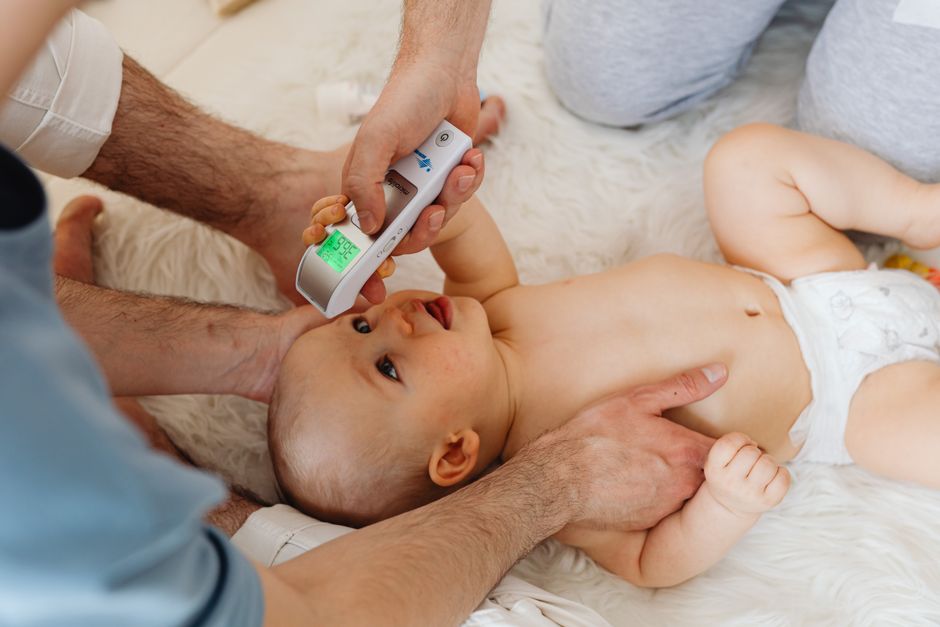
When your toddler has a fever, your first instinct is to bring it down quickly and safely. The safest approach is to keep your child comfortable, offer plenty of fluids, and use medications like acetaminophen (Tylenol) or ibuprofen (Motrin, Advil) only when needed and based on their weight — not their age. Dress them in light clothing and keep the room at a comfortable temperature. Never use aspirin, cold baths, or rubbing alcohol. If your child is younger than 3 months, has a fever over 104°F, or shows signs of serious illness, call a doctor immediately.
What temperature is considered a fever in a toddler?
A fever in a toddler is generally defined as a rectal temperature of 100.4°F (38°C) or higher. For ear or forehead thermometers, the same threshold applies. Armpit readings tend to be slightly lower, and a reading of 99°F or above may indicate a low-grade fever. The cause of the fever matters more than the exact number. A fever is the body’s natural response to infection and usually harmless unless it climbs very high or your child seems seriously ill.
When should you treat a fever in a toddler?
You do not need to treat every fever. Fever itself is not dangerous — it helps the immune system fight infection. Treatment is mainly for comfort. Offer medication if your toddler is uncomfortable, irritable, unable to sleep, or in pain. If your child is playing, drinking, and acting relatively normal, you can let the fever run its course. For children under 3 months, any fever of 100.4°F or higher warrants a call to the doctor regardless of behavior.
How to safely give fever medicine to a toddler
Two medications are considered safe for toddlers: acetaminophen (Tylenol) and ibuprofen (Motrin, Advil). Always dose by weight, not age. Use the child’s most recent weight in kilograms or pounds and follow the dosing chart on the package or from your pediatrician. For acetaminophen, the typical dose is 10–15 mg per kilogram (4.5–6.8 mg per pound) every 4 to 6 hours, with no more than 5 doses in 24 hours. For ibuprofen, the typical dose is 5–10 mg per kilogram (2.3–4.5 mg per pound) every 6 to 8 hours, and it is not recommended for children under 6 months old.
Use the syringe or dropper that came with the medicine, not a kitchen spoon. Write down the time and amount of each dose to avoid accidental double-dosing. Do not give aspirin to any child under 19 years old because of the risk of Reye’s syndrome, a rare but serious condition.



Should you alternate acetaminophen and ibuprofen?
Some doctors recommend alternating acetaminophen and ibuprofen when a single drug isn’t controlling the fever, but the evidence for this practice is limited. Alternating can increase the risk of dosing errors. If you choose to alternate, use a written schedule and never give both drugs at the same time. The safest approach is to stick with one medication and only switch if the fever persists and your doctor advises it. For most toddlers, a single medication works well enough.
What non-medication methods can help reduce fever?
Keep your toddler lightly dressed. Overbundling can trap heat and raise body temperature. Offer cool — not cold — fluids frequently to prevent dehydration. A cool compress on the forehead may offer comfort but won’t significantly lower core temperature. Lukewarm sponge baths (water temperature around 85–90°F or 29–32°C) can be used if your child tolerates them, but avoid cold water or ice baths, which can cause shivering and actually raise body temperature. Never use rubbing alcohol or ice packs, as these can cause skin irritation or a dangerous drop in body temperature.
Let your child rest if they are tired, but do not force them to stay in bed. Light activity is fine if they feel up to it. Keep the room at a comfortable temperature, around 70–74°F (21–23°C), and avoid drafts.
How to bring down a fever in a toddler safely: key steps summarized
To bring down a fever in a toddler safely, follow these steps:
- Check the temperature with a reliable thermometer (rectal for infants, ear or forehead for toddlers).
- Offer frequent small amounts of fluids — water, breast milk, formula, or an electrolyte solution.
- Dress your child in one light layer of clothing and use a light blanket if needed.
- Give weight-based acetaminophen or ibuprofen if your child is uncomfortable.
- Monitor for signs of dehydration or worsening illness.
- Call your pediatrician if your child is under 3 months, has a fever over 104°F, has a seizure, or seems very sick even after the fever drops.
Remember that the goal is comfort, not a normal temperature. A fever of 101°F or 102°F is not dangerous by itself.
When should you call a doctor for a toddler’s fever?
Call your pediatrician right away if your toddler has a fever and any of the following: is younger than 3 months old (any fever 100.4°F or higher), has a fever that lasts more than 3 days, has a fever above 104°F (40°C), is not drinking enough fluids, shows signs of dehydration (dry mouth, no tears when crying, fewer wet diapers), has a seizure, is unusually irritable or lethargic, has a stiff neck, severe headache, or a rash that does not blanch under pressure. Also call if your child has an underlying medical condition such as a heart or immune disorder.
What not to do when your toddler has a fever
Do not give aspirin. Do not use ice baths, cold water, or rubbing alcohol. Do not give adult-strength medications or cut adult tablets. Do not give ibuprofen to a child under 6 months without consulting a doctor. Do not give acetaminophen to a child under 12 weeks without a doctor’s approval. Do not wake a sleeping child to give fever medicine — sleep is more important for recovery. Do not combine multiple products that contain fever reducers, such as cold and flu medicines that already have acetaminophen. Check labels carefully.
Do not rely on homeopathic or herbal remedies, as their effectiveness and safety are not well-studied in children. There is no clinical evidence that teething causes a fever over 100.4°F; if your toddler has a true fever, look for an infection rather than blaming emerging teeth.
How long does a toddler’s fever usually last?
Most fevers from viral infections last 2 to 3 days. With proper care, the fever will come and go, often peaking in the late afternoon and evening. If the fever persists beyond 3 days, or if your child seems to get worse after the first 48 hours, call your doctor. Bacterial infections may cause fevers that last longer or do not improve with fever reducers, and they may require antibiotics. Trust your instincts — you know your child best.
Frequently Asked Questions
Can I give my toddler both Tylenol and Motrin at the same time?
No, you should not give both at the same time. If one medication is not working, you can alternate them under a strict schedule, but the safest option is to stick with one drug at recommended doses.
How often can I give my toddler Tylenol for a fever?
Acetaminophen can be given every 4 to 6 hours, but no more than 5 doses in 24 hours. Always measure by your child’s weight and follow the dosing instructions on the package.
When should I take my toddler to the ER for a fever?
Go to the emergency room if your toddler has a fever over 104°F (40°C) and is not responding to medication, has a seizure, is difficult to wake, has trouble breathing, or shows signs of severe dehydration such as no urine for 8 hours.
Is a bath safe for a toddler with a fever?
A lukewarm sponge bath can be safe and soothing if your child tolerates it. Use water around 85–90°F (29–32°C). Never use cold water, ice, or alcohol in the bath.
