
Making probiotic suppositories at home is possible, but it requires careful attention to cleanliness and the right ingredients. The safest method involves using a silicone mold, powdered probiotics, and a shelf-stable oil like cocoa butter or coconut oil. You must work in a clean space and refrigerate the finished suppositories to prevent bacterial growth. This article explains the step-by-step process and what the evidence says about safety and effectiveness.
What Ingredients Do You Need for Homemade Probiotic Suppositories?
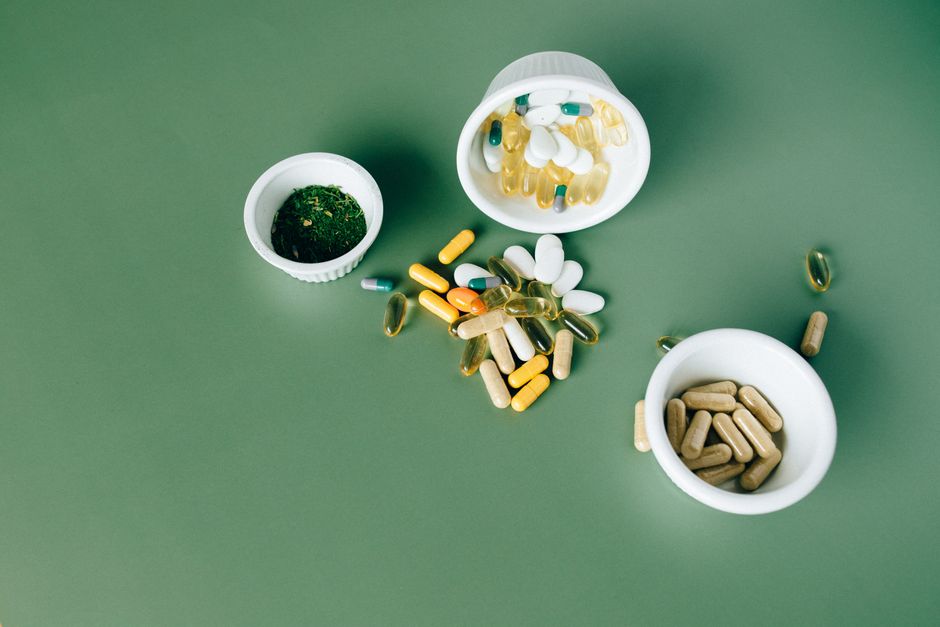
Start with a high-quality probiotic powder. Look for a product from a reputable brand that lists specific strains on the label. The most common strains used in suppositories are Lactobacillus and Bifidobacterium. Avoid capsules with fillers or prebiotics, as those can cause irritation.
For the base, use a fat that stays solid at room temperature but melts at body temperature. Cocoa butter is the top choice because it melts at around 93-97°F. Coconut oil works too, but it melts at a lower temperature (76°F), so it may leak more easily. You also need a silicone mold shaped like small bullets or cylinders. These are available online for under ten dollars.
Some people add vitamin E oil as a preservative. A few drops can help extend shelf life, but strong evidence for this use is limited. The CDC states that homemade products without preservatives should be used within one to two weeks and kept refrigerated.
Does How To Make Probiotic Suppositories At Home Safely Actually Work?
Research shows that probiotic suppositories can deliver live bacteria directly to the vaginal or rectal area. A 2019 study published in Frontiers in Microbiology found that vaginal suppositories containing Lactobacillus strains increased beneficial bacteria levels in women with bacterial vaginosis. The study used professionally prepared suppositories, not homemade ones.
Homemade versions may not be as effective. The main issue is dose consistency. Commercial products are tested to ensure a certain number of live bacteria per dose. At home, you cannot measure the exact colony-forming units (CFUs) you are getting. Some bacteria may die during preparation if the base is too hot.
Evidence indicates that homemade suppositories can still deliver some live bacteria, but the results vary widely. If you have a specific medical condition, talk to your doctor before trying this. For general vaginal or gut health maintenance, the approach may offer benefits, but it is not a replacement for prescribed treatments.
What Are the Risks of Making Probiotic Suppositories at Home?
The biggest risk is contamination. When you make suppositories at home, you introduce bacteria from your hands, the air, and the surfaces you use. The FDA warns that homemade medical products carry a higher risk of infection than store-bought ones. This is especially true for products inserted into the vagina or rectum, where the tissue absorbs substances quickly.
Another risk is using the wrong temperature. If you heat the oil or butter above 120°F, you can kill the probiotic bacteria. Most probiotic strains die at temperatures above 115°F. A study in the Journal of Applied Microbiology found that exposing Lactobacillus to heat above 110°F for more than 10 minutes significantly reduced viability.
Some people report irritation or burning from homemade suppositories. This can happen if the base is too acidic or if you use a probiotic with added ingredients like fillers or flavorings. Always do a patch test on your inner arm before inserting anything.




What Is the Step-by-Step Process for Making Probiotic Suppositories?
Follow these steps carefully to reduce risks. First, clean your workspace thoroughly. Wash your hands with soap and water. Wipe down counters and utensils with rubbing alcohol. Wear disposable gloves if possible.
- Melt the base. Place 2 tablespoons of cocoa butter or coconut oil in a small glass bowl. Set the bowl in a pan of warm water on the stove. Use low heat. Stir until just melted. Do not let it boil. Remove from heat immediately.
- Cool the base slightly. Let it sit for 2-3 minutes until it is warm but not hot. Test it on your wrist — it should feel like warm bath water, not hot.
- Add the probiotic powder. Open 2-3 capsules of probiotic powder and mix it into the melted base. Stir gently with a clean spoon for about 30 seconds until fully combined.
- Pour into the mold. Use a small dropper or spoon to fill each cavity of your silicone mold. Fill them to the top. Tap the mold gently to remove air bubbles.
- Refrigerate for at least 2 hours. The suppositories should be firm to the touch. Remove them from the mold and store in a clean glass jar in the refrigerator.
Use them within 7-10 days. Discard any that develop an off smell, color change, or mold. Never freeze them, as freezing can damage the bacteria.
How Do You Use Probiotic Suppositories Safely?
Insert the suppository just before bedtime. Lie down for at least 15-20 minutes after insertion to allow the base to melt and the bacteria to spread. For vaginal use, insert it as far as you comfortably can. For rectal use, push it about one inch inside.
Wash your hands before and after. Use a panty liner or pad to catch any leakage. The cocoa butter or coconut oil may stain clothing, so wear dark underwear. Do not use a tampon after insertion, as it will absorb the contents.
Some people experience mild discharge or spotting for a day or two. This is normal. If you experience pain, intense itching, or a fever, stop using the suppositories and contact a healthcare provider. These could be signs of an infection or allergic reaction.
What Does Research Say About Probiotic Strains for Suppositories?
Not all probiotic strains are equal. Research published in BMC Infectious Diseases found that Lactobacillus rhamnosus and Lactobacillus reuteri are among the most effective strains for vaginal health. These strains produce lactic acid, which helps maintain an acidic pH that discourages harmful bacteria.
For rectal use, Lactobacillus plantarum and Bifidobacterium longum have shown promise. A 2020 study in Nutrients found that these strains helped reduce inflammation in people with ulcerative colitis. However, the study used oral probiotics, not suppositories.
Some people report using Saccharomyces boulardii, a yeast-based probiotic, for rectal suppositories. This is widely claimed though strong evidence is limited. The National Institutes of Health notes that S. boulardii is generally safe, but it has not been studied in suppository form. Stick to bacterial strains with more research behind them.
| Probiotic Strain | Common Use | Evidence Level |
|---|---|---|
| Lactobacillus rhamnosus | Vaginal health | Strong |
| Lactobacillus reuteri | Vaginal health | Strong |
| Lactobacillus plantarum | Rectal health | Moderate |
| Bifidobacterium longum | Rectal health | Moderate |
| Saccharomyces boulardii | General gut health | Weak for suppositories |
When Should You Avoid Making Probiotic Suppositories at Home?
Avoid this approach if you are pregnant, nursing, or have a weakened immune system. The American College of Obstetricians and Gynecologists advises against inserting any non-medical product into the vagina during pregnancy. The risk of introducing harmful bacteria is too high.
Do not make suppositories if you have an active infection. If you suspect a yeast infection, bacterial vaginosis, or a sexually transmitted infection, see a doctor first. Using a suppository without a proper diagnosis could make the infection worse. For example, inserting probiotics during a bacterial infection may feed the harmful bacteria if the pH balance is off.
Some people report that homemade suppositories cause more irritation than commercial ones. This is likely due to uneven mixing or using too much probiotic powder. If you have sensitive skin or a history of allergies, stick to commercial products that are tested for safety.
Common Misconceptions About Homemade Probiotic Suppositories
A common myth is that you can use yogurt or kefir instead of probiotic powder. This is not safe. Yogurt contains live bacteria, but it also contains milk proteins and sugars that can cause irritation or infection inside the vagina or rectum. The CDC specifically warns against inserting food products into the body.
Another misconception is that more bacteria is always better. Some people think using three capsules instead of one will work faster. This is not true. Too many bacteria can overwhelm the local environment and cause inflammation. Stick to the amount recommended in the recipe above.
Some people believe that freezing suppositories keeps them fresh longer. Freezing actually damages the cell walls of probiotic bacteria, reducing their effectiveness. A study in Cryobiology found that freezing reduced Lactobacillus viability by 50-70%. Refrigeration at 35-40°F is the best storage method.
Frequently Asked Questions
Can I use any probiotic capsule for homemade suppositories?
No, use only powdered probiotics from a trusted brand. Avoid capsules with fillers, prebiotics, or added ingredients that could cause irritation.
How long do homemade probiotic suppositories last?
They last 7-10 days in the refrigerator. Discard them if they change color, smell bad, or develop mold.
Is it safe to use coconut oil instead of cocoa butter?
Yes, but coconut oil melts at a lower temperature and may leak more. Cocoa butter is preferred for its higher melting point.
What should I do if I feel burning after insertion?
Remove the suppository immediately and rinse the area with warm water. If burning continues, see a healthcare provider.
