
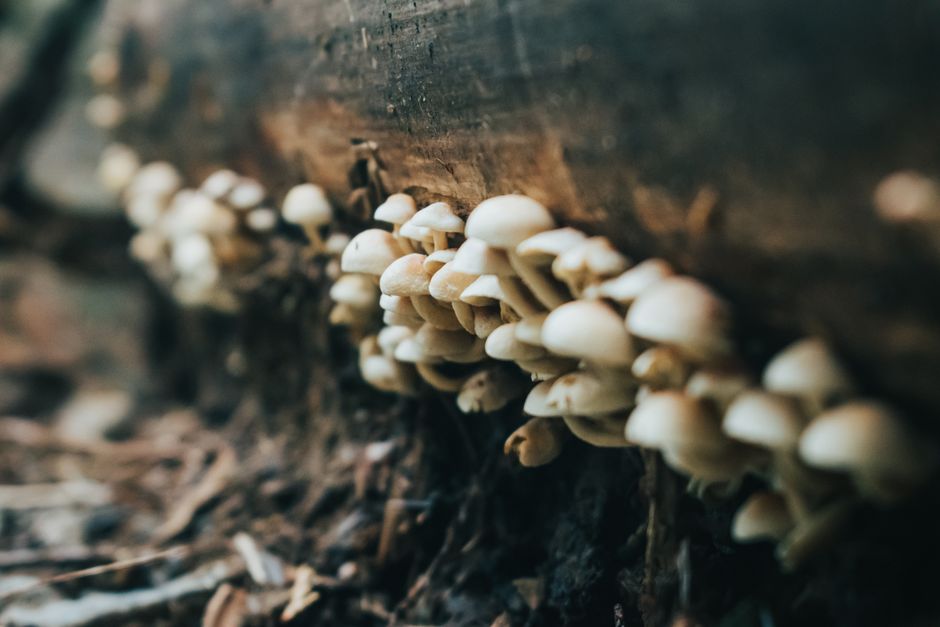
White mold on wood can be a health concern and a sign of structural risk, but it is not the same as black mold. The danger depends on the type of mold, how much is present, and whether the wood is rotting underneath. This article explains what the evidence actually shows about white mold on wood, so you can make an informed decision without the hype.
What Exactly Is White Mold on Wood?
White mold is a general term for several species of fungi that grow on wood surfaces. It often appears as a white, powdery, or fluffy growth. Common types include Aspergillus, Penicillium, and Cladosporium. These are different from the infamous Stachybotrys chartarum, which is black mold and produces mycotoxins.
The white color comes from the mold’s mycelium, the network of thread-like cells. It can look like a thin dusting of flour or a thicker, cottony layer. You will often find it in damp basements, crawl spaces, or on wood near a leaky pipe. The key point is that white mold is still a living fungus that can cause allergies and respiratory irritation.
The CDC and the EPA both classify any mold growth indoors as a potential health risk. They do not distinguish by color alone. The actual danger comes from the spores and the volatile organic compounds (VOCs) the mold releases. So while white mold is not the same as toxic black mold, it is not harmless either.
Is White Mold on Wood a Health Risk?
Research published in the journal Environmental Health Perspectives has found that exposure to any indoor mold can trigger allergic reactions. Symptoms include sneezing, runny nose, red eyes, and skin rash. For people with asthma, mold exposure can worsen attacks. The immune response is the same whether the mold is white, green, or black.
Some species of white mold, like certain Aspergillus strains, can produce mycotoxins under the right conditions. However, this is less common and usually requires the mold to be actively growing in a very damp environment. The more immediate health risk is from inhaling spores, which can irritate the lungs regardless of toxin production.
The EPA states that there is no practical way to eliminate all mold and mold spores indoors. The solution is to control moisture. If you see white mold on wood, the health risk is real if you are sensitive or have a compromised immune system. Healthy adults may not notice symptoms, but long-term exposure is still not advisable.
A 2019 study in Indoor Air found that people living in homes with visible mold had a 35% higher risk of developing asthma over 10 years. The study did not differentiate by mold color. This means white mold contributes to the same cumulative risk as other molds. If you have unexplained respiratory issues, white mold on wood could be a contributing factor.
Does White Mold on Wood Mean Structural Damage?
White mold itself does not rot wood. The mold feeds on the surface layer of organic matter, like dust or the wood’s own sugars. However, the same conditions that allow white mold to grow — moisture and poor ventilation — also allow wood-rotting fungi to thrive. If you see white mold, the wood underneath may already be compromised.
True wood rot is caused by fungi that break down cellulose and lignin, the structural components of wood. These fungi are often brown or white themselves, but they look different from surface mold. White rot fungi, for example, leave the wood feeling spongy and stringy. Surface white mold is powdery and wipes off easily.
To check for structural damage, press a screwdriver into the wood. If it sinks in more than a quarter inch, the wood is likely rotting. The white mold is a warning sign that moisture has been present long enough for decay to start. The structural risk comes from the rot, not the mold itself, but the two are often found together.
The International Code Council (ICC) recommends replacing any wood that has lost more than 20% of its original thickness due to rot. White mold alone does not cause this, but it tells you that the wood has been wet enough for rot to begin. Ignoring the mold means ignoring the moisture problem, which will eventually lead to structural failure.




How to Remove White Mold from Wood Safely
The EPA recommends a simple approach for small areas of mold on hard surfaces. For white mold on wood, start with a solution of detergent and water. Scrub the area with a stiff brush, then dry it completely. Do not use bleach on porous surfaces like wood. Bleach kills surface mold but leaves the roots alive, and the moisture in bleach can actually feed the mold deeper in the wood.
For larger areas — more than 10 square feet — the EPA advises hiring a professional. The reason is that disturbing a large mold colony releases a massive number of spores into the air. Without proper containment and HEPA filtration, you risk spreading the mold to other parts of your home. A professional can also assess whether the wood needs replacement.
Here is a comparison of common removal methods:
| Method | Effectiveness | Risk |
|---|---|---|
| Detergent and water scrubbing | Good for surface mold | Low if dried quickly |
| Vinegar solution (undiluted) | Kills about 80% of mold species | Low, but may damage wood finish |
| Hydrogen peroxide (3%) | Kills mold on contact | Low, may bleach wood |
| Bleach solution | Poor on porous surfaces | High – moisture feeds deeper mold |
| Professional remediation | High – removes mold and spores | Low – proper containment |
The most important step after removal is fixing the moisture source. Without that, the mold will return within weeks. Check for leaks, improve ventilation, and reduce indoor humidity below 50%. A dehumidifier in a basement or crawl space is often the most effective long-term solution.
What to Avoid When Dealing with White Mold on Wood
There are several popular but ineffective or dangerous approaches to white mold that you should avoid. The first is using bleach on wood. As mentioned, the water in bleach soaks into the wood and feeds the mold roots. You may see the surface turn white again, but the mold will regrow from inside the wood within a month.
Another common mistake is painting over white mold. Some people think sealing the mold with paint will solve the problem. It will not. The mold continues to grow underneath the paint, and the moisture trapped inside will cause the paint to peel. The mold can also eat through the paint over time, releasing spores back into the air.
Avoid using ozone generators or “fogging” machines as a DIY solution. The EPA warns that ozone can damage your lungs and does not effectively kill mold on surfaces. Fogging with chemicals may kill surface mold but does not address the roots or the moisture problem. These methods give a false sense of safety.
Do not ignore small patches of white mold thinking they are harmless. While a single spot may not be a crisis, it indicates a moisture problem that will get worse. The longer moisture is present, the more likely the wood will rot. Addressing a small patch now saves you from replacing a rotted beam later.
When to Call a Professional for White Mold on Wood
You should call a professional if the mold covers an area larger than 10 square feet. This is the EPA’s guideline. A professional has the equipment to contain the area, filter the air, and safely remove the mold. They can also test the wood for rot and determine if replacement is needed.
Call a professional if you or anyone in the home has asthma, allergies, or a weakened immune system. Even small amounts of mold can trigger severe reactions in sensitive people. A professional can remove the mold with minimal spore release, reducing the health risk.
If you suspect the mold is on structural wood, like a load-bearing beam or floor joist, get a professional assessment. The cost of inspection is small compared to the cost of a collapsed floor or roof. A structural engineer or certified mold inspector can tell you if the wood is still sound.
You should also call a professional if you have tried cleaning the mold and it keeps coming back. This means the moisture problem is deeper than you think. A professional can use moisture meters and thermal imaging to find hidden leaks or condensation issues that you cannot see.
Common Misconceptions About White Mold on Wood
A common myth is that white mold is always harmless because it is not black mold. This is false. The color of mold does not determine its toxicity. Some white molds can produce mycotoxins, and all molds release allergens and irritants. The health risk depends on the species, the exposure level, and your personal sensitivity.
Another misconception is that if you cannot smell mold, it is not dangerous. Mold can grow behind walls or under flooring without producing a strong odor. The absence of smell does not mean the air is safe. The only way to know if mold is present is to look for it or have the air tested.
Some people believe that killing mold with a spray means the problem is solved. Killing the mold does not remove the dead spores, which can still cause allergic reactions. Dead mold must be physically removed by scrubbing or HEPA vacuuming. The EPA emphasizes that dead mold is still an allergen.
There is also a belief that white mold only grows on dirty wood. While dust and dirt can feed mold, clean wood is just as susceptible if it is wet. The mold does not need dirt to grow. It can feed on the wood itself or on microscopic organic particles in the air. Keeping wood dry is the only reliable prevention.
Frequently Asked Questions
Can white mold on wood make you sick?
Yes, white mold can cause allergic reactions, respiratory irritation, and worsen asthma. The risk is higher for people with sensitivities or weakened immune systems.
Does white mold mean the wood is rotting?
Not always, but it is a strong warning sign. White mold grows in damp conditions that also allow wood-rotting fungi to thrive.
Can I just paint over white mold on wood?
No, painting over mold traps moisture and allows it to grow underneath. The mold will eventually push through the paint.
Is white mold on wood dangerous to breathe?
Yes, inhaling mold spores can irritate your lungs and cause nasal congestion. Long-term exposure can increase your risk of respiratory issues.
