
Nasal congestion can stop you in your tracks. A stuffed nose makes it hard to breathe, sleep, or focus on anything else. The fastest way to clear it is to target the blood vessels and tissues inside your nasal passages directly. Here is the step-by-step method that works within minutes: blow your nose gently once, then use a saline spray to moisten the passages, follow with a warm steam inhalation for 5 minutes, and finish by applying gentle pressure to the sides of your nose while tilting your head back slightly. This combination thins mucus, shrinks swollen tissue, and opens the airway quickly without medication.
Why Does Your Nose Get Stuffed in the First Place?
Nasal congestion happens when the blood vessels inside your nose expand. This swelling narrows the airway, making it harder to pull air through. The swelling is not caused by mucus alone — it is caused by inflamed tissue.
Your nose has a rich network of blood vessels. When you catch a cold, encounter an allergen, or breathe in dry air, these vessels dilate. The tissue lining your nasal passages swells like a sponge taking in water. Mucus production also increases, which adds to the blockage.
This is why decongestant sprays work so quickly. They contain ingredients that shrink those blood vessels. When the vessels narrow, the tissue shrinks, and air can flow again. Understanding this mechanism helps you see why some home remedies work better than others.
How To Unstuff Your Nose Instantly: The Step-by-Step Method
The fastest relief comes from a sequence of actions that each target a different part of the problem. Follow these steps in order for the quickest results.
Step 1: Clear the front of the nose. Blow your nose gently into a tissue. Do not blow hard. Forceful blowing can push mucus deeper into your sinuses and make the congestion worse. One gentle pass is enough.
Step 2: Apply saline spray. Use an over-the-counter saline nasal spray. Tilt your head slightly forward and spray once into each nostril. Saline thins the mucus and moistens dry, irritated tissue. It does not shrink the swelling, but it prepares the nasal passages for the next step.
Step 3: Inhale warm steam. Run hot water in a sink or use a bowl of steaming water. Lean over the steam with a towel draped over your head to trap the moisture. Breathe through your nose for 3 to 5 minutes. The warm, moist air helps loosen thick mucus and soothes swollen tissue. Keep your face at a comfortable distance — the steam should feel warm, not burning.
Step 4: Apply pressure and tilt. After steaming, press two fingers firmly against the sides of your nose, just below the bridge. Hold for about 10 seconds. Then tilt your head back and gently sniff. This helps move loosened mucus toward the back of your throat where it can be swallowed or cleared.
This entire process takes under 10 minutes. For many people, the steam step alone provides noticeable relief within a minute or two.
Do Nasal Strips and Sprays Actually Work?
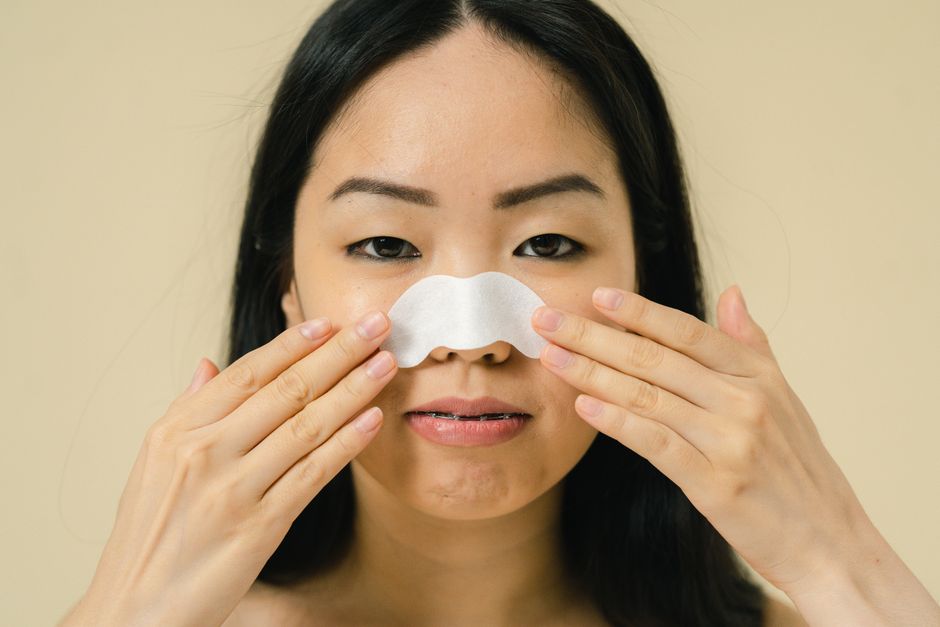
Nasal strips are a mechanical solution. They stick to the outside of your nose and physically pull the nostrils open. They work best for people whose congestion comes from structural issues, like a deviated septum or the natural collapse of the nasal passages during sleep.
Nasal strips do not treat the underlying swelling. They simply hold the airway open from the outside. For temporary relief, especially at night, they can be effective. But they will not help if your congestion is caused by thick mucus deep inside the nasal cavity.
Decongestant sprays like oxymetazoline work faster than any home remedy. They shrink blood vessels directly, and relief comes within minutes. The problem is rebound congestion. If you use these sprays for more than 3 consecutive days, the swelling can return worse than before when the spray wears off. This is called rhinitis medicamentosa, and it is a well-documented risk.
Use decongestant sprays only for short periods. If your congestion lasts longer than a few days, switch to saline sprays or other methods.




What About Neti Pots and Sinus Rinses?
Nasal irrigation with a neti pot or squeeze bottle uses a saltwater solution to flush out the nasal passages. This is different from a simple saline spray. Irrigation uses a larger volume of liquid to physically wash away mucus, allergens, and irritants.
Research consistently shows that nasal irrigation is effective for chronic sinus symptoms and for congestion caused by allergies. It does not provide instant relief like a decongestant spray, but it can clear the nose thoroughly in a way that sprays cannot.
Safety matters here. Use only distilled, sterile, or previously boiled water that has cooled down. Tap water may contain organisms that are safe to drink but can cause serious infections if they enter your nasal passages. This is not a theoretical risk — it is a documented cause of rare but severe infections.
If you use a neti pot, clean it thoroughly after each use and let it air dry. Replace it according to the manufacturer’s instructions.
How Long Does a Stuffy Nose Usually Last?
The duration depends on the cause. A common cold typically causes nasal congestion that peaks around day 2 or 3 and resolves within 7 to 10 days. Allergy-related congestion lasts as long as you are exposed to the trigger. Dry indoor air can cause congestion that persists all winter.
If your congestion lasts longer than 10 days without improvement, or if it comes with facial pain, thick yellow or green discharge, or fever, see a doctor. These symptoms can indicate a bacterial sinus infection that may need antibiotics.
Congestion that affects only one side of your nose and does not improve with any treatment warrants a medical evaluation. It can indicate a structural problem or, rarely, a growth inside the nasal passage.
Home Remedies That Do Not Work
Some popular remedies have no evidence behind them. Eating spicy food clears the nose temporarily because capsaicin triggers a runny nose reflex. The effect lasts only a few minutes and does not reduce the underlying swelling.
Vapor rubs applied to the chest or feet do not clear nasal passages. The strong menthol smell creates a cooling sensation that makes you feel like you are breathing better. The actual airflow through your nose does not change. Some research suggests these products may help children sleep better during a cold, but they do not decongest the nose.
Drinking large amounts of water does not thin mucus. Staying hydrated is important for overall health, but extra water beyond normal intake does not change mucus consistency or relieve congestion.
When To See a Doctor for Nasal Congestion
Most nasal congestion resolves on its own or with home care. Certain signs should prompt a medical visit.
Seek care if you have congestion along with a fever above 100.4°F, facial pain or pressure that lasts more than a few days, or discharge that is thick and discolored for more than a week. These can be signs of a bacterial sinus infection.
See a doctor promptly if you have congestion after a head injury, if only one side of your nose is always blocked, or if you have nosebleeds along with the congestion. Children under 3 months with any nasal congestion should see a pediatrician, as they breathe primarily through their noses and can struggle to feed.
If you have asthma or chronic obstructive pulmonary disease, talk to your doctor about the safest ways to manage congestion. Some decongestants can affect blood pressure and may not be appropriate for people with heart conditions.
Preventing Nasal Congestion Before It Starts
For many people, congestion returns repeatedly. Prevention is easier than treatment.
Use a humidifier in your bedroom during dry months. Keeping indoor humidity between 30 and 50 percent helps the nasal lining stay moist and functional. Dry air irritates the nasal tissue and makes it more vulnerable to swelling.
If allergies trigger your congestion, identify and avoid your triggers. Common culprits include dust mites, pet dander, and pollen. Washing bedding in hot water weekly and using allergen-proof covers on pillows and mattresses can reduce dust mite exposure.
Nasal saline sprays can be used daily as a preventive measure. They keep the nasal passages clean and moist without the risks of decongestant sprays. Some evidence suggests regular saline irrigation reduces the frequency of sinus infections in people prone to them.
Frequently Asked Questions
What is the fastest way to unstuff my nose?
A decongestant spray containing oxymetazoline works within minutes by shrinking swollen blood vessels. Limit use to 3 days to avoid rebound congestion.
Does steam actually help a stuffy nose?
Yes, warm steam moistens the nasal passages and helps loosen thick mucus. Breathing steam for 3 to 5 minutes can provide noticeable relief.
Why does my nose get more stuffed when I lie down?
Lying down increases blood flow to your head, which makes the blood vessels in your nose swell more. Elevating your head with an extra pillow can reduce this effect.
Is it safe to use a neti pot every day?
Daily nasal irrigation is generally safe when you use sterile or distilled water and clean the device properly. Tap water must never be used because it can introduce harmful organisms.
