
Blackheads on the nose are a very common skin concern. They form when pores become clogged with excess oil and dead skin cells, and the clog darkens when it is exposed to air. The nose has a high concentration of oil glands, which is why it is a prime spot for blackheads. Effective treatments include salicylic acid, retinoids, and gentle exfoliation. The key is consistent care, not harsh scrubbing or pore strips.
What Are Blackheads?
A blackhead is a type of acne called an open comedone. A pore gets filled with a mixture of sebum (oil) and dead skin cells. Because the top of the pore stays open, the trapped material touches air. Oxygen in the air causes the oil to oxidize and turn dark. This dark color is not dirt. It is a chemical reaction. Blackheads are not caused by poor hygiene.
On the nose, the pores are naturally larger and more visible. The skin there also produces more oil than other areas of the face. This combination makes the nose a common place for blackheads to form. Some people are more prone to them because of genetics or hormone levels.
Why Is My Nose Covered In Blackheads Causes Fixes
The main cause of blackheads on the nose is excess oil production combined with a buildup of dead skin cells in the pore. Hormones, genetics, and some skincare products can worsen this. The fix involves two steps: keeping pores clear and reducing oiliness. Salicylic acid works by breaking down the material inside the pore. Retinoids speed up skin cell turnover. Regular gentle cleansing and avoiding heavy, pore-clogging products also help. No single treatment works for everyone, and results take weeks to appear.
What Causes Blackheads on the Nose?
Several factors increase the chance of developing blackheads on the nose.
- Genetics: If your parents had oily skin or blackheads, you are more likely to have them. Skin type is inherited.
- Hormones: Androgens, hormones that increase during puberty, menstruation, and stress, signal the oil glands to produce more sebum. This can lead to clogged pores.
- Skincare and makeup: Products that are labeled as comedogenic (pore-clogging) can contribute. Look for “non-comedogenic” on labels. Heavy moisturizers or oily sunscreens can also be a problem.
- Not cleansing effectively: While blackheads are not caused by dirt, leaving oil and dead skin on the nose all day can allow clogs to form. Gentle cleansing twice a day is sufficient.
- Pore size: The pores on the nose are naturally larger. Larger pores are more likely to become visible when clogged. You cannot permanently shrink pores, but keeping them clean makes them appear smaller.
There is limited evidence that diet directly causes blackheads. Some studies suggest high-glycemic foods (sugary snacks, white bread) may increase sebum production in some people. The evidence is not strong enough to recommend specific dietary changes for blackheads alone.





How to Treat Blackheads on the Nose Safely
Treatment should be gentle and consistent. Harsh scrubbing, picking, or using pore strips can damage the skin and make blackheads worse. Here are the most common evidence-based approaches.
- Salicylic acid: This is a beta hydroxy acid (BHA) that is oil-soluble. It can penetrate into the pore and break down the plug of oil and dead cells. It is available over the counter in cleansers, toners, and leave-on treatments. Many dermatologists recommend using it once daily. Start with a lower concentration to avoid irritation.
- Retinoids: These vitamin A derivatives speed up the turnover of skin cells. Prescription tretinoin and over-the-counter adapalene (brand name Differin) are proven to reduce blackheads. Retinoids can cause redness and peeling at first. They are used at night, and sunscreen is essential because they increase sun sensitivity.
- Niacinamide: This form of vitamin B3 helps regulate oil production. Some evidence shows it can improve the appearance of clogged pores. It is often used in serums and moisturizers.
- Professional extraction: A dermatologist or licensed esthetician can use a sterile tool to remove individual blackheads. This is safe when done properly. Do not attempt this yourself at home with improvised tools.
- Chemical peels: In-office peels containing salicylic acid or glycolic acid can help clear pores. They are more concentrated than home products.
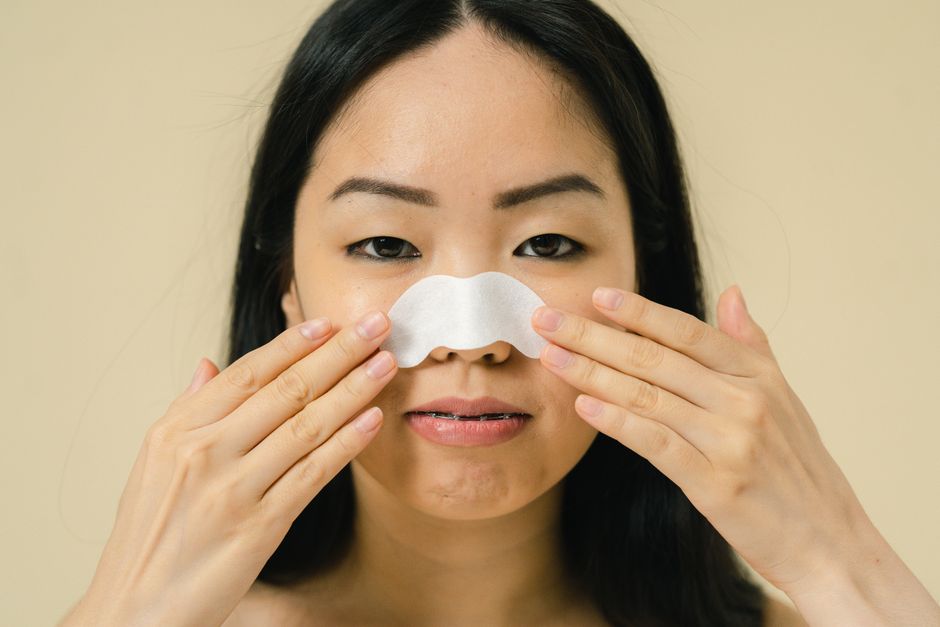
What does not work well? Pore strips (the peel-off kind) remove the top of the blackhead but not the root inside the pore. They can also irritate the skin and cause broken capillaries if used too often. They may provide temporary cosmetic improvement but do not treat the underlying cause.
What Treatments Have the Best Evidence?
Research consistently shows that retinoids have the strongest evidence for treating blackheads. In clinical studies, prescription retinoids significantly reduce both open and closed comedones. Over-the-counter adapalene is also supported by multiple studies. Salicylic acid has good evidence as well, especially for mild comedonal acne. A 2019 review in the Journal of the American Academy of Dermatology found that both retinoids and salicylic acid are effective first-line treatments for blackheads.
Niacinamide has some supporting evidence, but it is less consistent than for retinoids. Some studies show it reduces oiliness and improves pore appearance over 8–12 weeks. But it may not be as powerful on its own for stubborn blackheads.
There are no large human trials comparing all treatments head-to-head for blackheads specifically. Most treatment recommendations come from studies on acne in general. Because blackheads are a non-inflammatory type of acne, treatments that target clogged pores are appropriate.
Can You Prevent Blackheads on the Nose?
Prevention focuses on keeping pores clear before clogs form. You cannot stop oil production entirely, but you can manage it.
- Cleanse your face twice a day with a gentle cleanser. Avoid over-cleansing, which can dry out skin and trigger more oil.
- Use a non-comedogenic moisturizer. Even oily skin needs hydration. Skipping moisturizer can cause the skin to overproduce oil to compensate.
- Exfoliate gently and regularly. Salicylic acid two to three times per week can help prevent clogs. Physical scrubs with rough particles can irritate the skin and are not recommended.
- Apply sunscreen daily. Sun damage thickens the outer layer of skin, which can make blackheads more likely.
- Avoid touching your nose frequently. Your hands carry oil and bacteria.
- Wash pillowcases and towels regularly. They collect oil and skin cells.
No prevention method is 100 % effective because genetics and hormones play a large role. Maintenance is the goal.
When Should You See a Dermatologist?
If over-the-counter treatments have not improved blackheads after two to three months of consistent use, a dermatologist can offer stronger options. Prescription retinoids like tretinoin or tazarotene are more effective than adapalene for some people. A dermatologist can also perform professional extraction safely.
If the blackheads become inflamed, red, or painful, that may indicate acne that needs medical treatment. Cystic acne on the nose is less common but can cause scarring. See a dermatologist if you have any signs of infection or if blackheads are affecting your quality of life.
Frequently Asked Questions
Can blackheads on the nose be removed permanently?
No, blackheads cannot be permanently removed because the nose will always produce oil. With consistent care you can keep them under control.
Do pore strips actually work for blackheads?
Pore strips remove the dark oxidized top of the blackhead but not the deeper plug. They offer temporary cosmetic improvement but do not prevent new blackheads.
Is it safe to squeeze blackheads on the nose?
Squeezing is not recommended. It can damage the pore lining, cause inflammation, and lead to scarring or infection.
Does toothpaste help get rid of blackheads?
No. This is a myth. Toothpaste contains ingredients that can irritate and dry out the skin without treating the pore.
