
Your baby has a runny nose, and you see new teeth breaking through. It is natural to think they are connected. Many parents do. But the truth is that a significant runny nose is rarely caused by teething alone. While some babies have mild nasal congestion during teething, the best treatment is simple, gentle care at home. Pay attention to other symptoms and know when to call your doctor.
Does Teething Cause a Runny Nose?
The short answer is that teething does not cause a true runny nose in most babies. Some research suggests that teething can lead to mild nasal congestion or a small increase in drool that may seem like a runny nose. But the evidence is not strong. Studies have found no direct link between teething and the production of clear nasal mucus.
What happens is that teething causes inflammation in the gums. This inflammation can spread to the nearby sinus and nasal passages in some babies. The result may be a slightly stuffy nose or a little more dripping than usual. However, if your baby has a lot of clear or colored mucus, the cause is likely a cold or another illness.
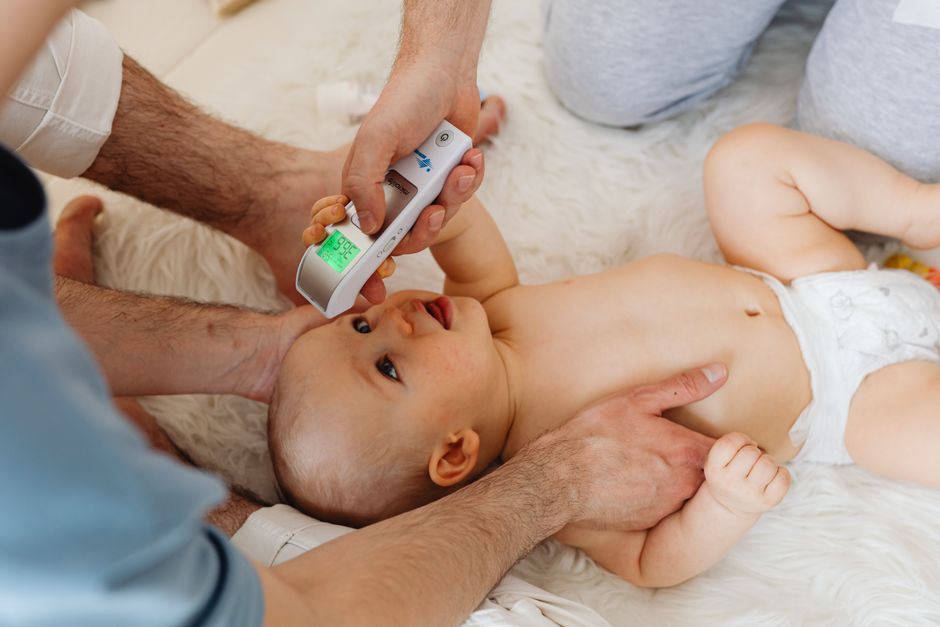
Fever over 100.4°F (38°C) is never from teething. That is an important rule to remember. If your baby has a fever along with a runny nose, it is not teething.
How To Tell If It’s Teething or a Cold
It can be hard to tell the difference because both conditions can make your baby fussy. But teething has a few specific signs you can look for.
- Teething signs: Your baby chews on fingers, toys, or your finger. They drool more than usual. Their gums look red and swollen. They may wake more at night. A mild temperature under 100.4°F is possible but uncommon.
- Cold signs: Your baby has a runny nose with clear, yellow, or green mucus. They may cough, sneeze, or have watery eyes. A fever higher than 100.4°F is common. They may eat or drink less.
If your baby has a runny nose but no other teething signs, it is most likely a cold. If they have both teething signs and a runny nose, it could be a coincidence. Kids get sick often. Many babies start teething around the same time they are exposed to more germs.
How To Treat Your Babys Runny Nose From Teething
When the runny nose is mild and you suspect teething is playing a role, the goal is comfort. There is no cure for teething itself, but you can help your baby breathe easier.
Use a bulb syringe or nasal aspirator to gently remove extra mucus. Squeeze the bulb first, then place the tip just inside the nostril and release. Do this no more than a few times a day to avoid irritation. Clean the bulb after each use with soap and water.
Saline nasal drops can loosen mucus and make it easier to remove. Put one or two drops in each nostril before suctioning. Use only plain saline without any medications. Saline drops are safe for babies of any age.
Run a cool-mist humidifier in your baby’s room, especially at night. Moist air helps keep nasal passages from drying out. Clean the humidifier regularly to prevent mold.
Elevate the head of your baby’s mattress slightly by placing a towel or rolled blanket under the mattress. Never put pillows or loose items in the crib. A slight incline can help mucus drain.
Do not give over-the-counter cold or cough medicines to an infant. They are not safe for children under two years old. Pain relievers like acetaminophen or ibuprofen can be used for teething discomfort, but only if a doctor approves them for your baby’s age and weight. They do not treat a runny nose.
If your baby is eating well and acting normally, simple home care is all that is needed.





When To Call the Doctor
A runny nose from teething should be mild and short. Call your doctor if you notice any of these signs:
- Fever over 100.4°F (38°C)
- Difficulty breathing or fast breathing
- Your baby refuses to eat or drink
- Signs of dehydration: fewer wet diapers, dry mouth, crying without tears
- Runny nose that lasts more than 10 days
- Thick yellow or green mucus that lasts
- Ear pulling or signs of pain
- Your baby seems very tired or unusually fussy
These symptoms suggest an infection such as a cold, flu, or ear infection, not teething. A doctor can check your baby and recommend the right treatment.
Can Teething Cause Other Symptoms?
Teething is often blamed for fever, diarrhea, and rashes. But the evidence for these links is weak. What can happen is that increased drool may irritate the skin around the mouth or chin, causing a mild rash. Drool can also make stool slightly looser, but not true diarrhea. A small temperature rise is possible due to gum inflammation, but it should not exceed 100.4°F.
If your baby has a fever, diarrhea, or vomiting, look for another cause. Teething is not a safe explanation for these symptoms. It is better to assume an illness and monitor closely.
Frequently Asked Questions
How long does a teething runny nose last?
A runny nose from teething usually lasts only a day or two, if it happens at all. If it lasts longer than that, it is more likely a cold or allergy.
Can I use saline drops for my teething baby’s runny nose?
Yes, saline drops are safe for babies at any age. Use them before suctioning to loosen mucus. Do not use medicated nasal sprays without a doctor’s approval.
Is it safe to use a bulb syringe every day?
Using a bulb syringe a few times a day is safe, but overuse can irritate the inside of the nose. Only suction when mucus is blocking breathing or causing discomfort.
Does teething cause congestion along with a runny nose?
Some babies may have mild nasal congestion during teething due to inflammation in the area. But significant congestion is rarely from teething alone. Check for other causes like a cold.
