
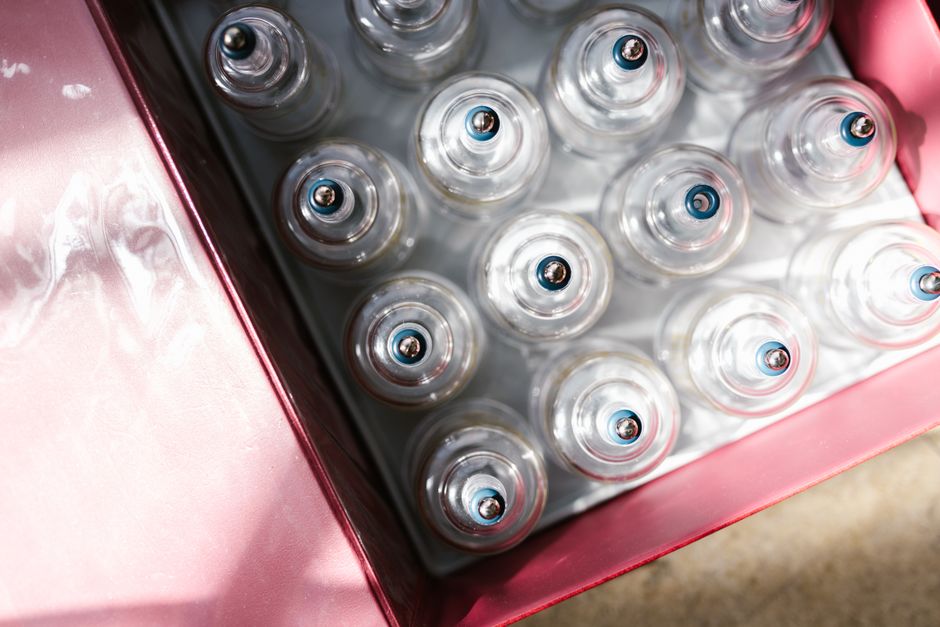
Stacked plastic cups that refuse to separate are a small but real frustration. You pull on the top cup, and the one below it comes along for the ride. The harder you pull, the tighter they seem to lock together. The fix is simple once you understand why they stick in the first place. Air pressure seals the cups together, and heat breaks that seal. Here is how to unstick plastic cups fast with methods you already have in your kitchen.
Why Do Plastic Cups Get Stuck Together?
When you stack plastic cups, the top cup slides inside the bottom cup and traps a pocket of air between them. That air has nowhere to go. As you pull the cups apart, the space between them grows slightly, but the trapped air cannot expand fast enough. This creates a vacuum effect. The outside air pressure pushes the cups together harder than your hands can pull them apart.
This is the same principle that makes a new jar lid hard to open. It is not friction or static cling doing the work. It is atmospheric pressure pressing against a sealed pocket of air. Once you understand that, the solutions become obvious. You need to either break the seal or change the pressure inside the cups.
Heat is the most reliable tool because it makes the trapped air expand. Expanding air pushes outward and breaks the vacuum seal on its own. Cold does the opposite. It contracts the air and makes the cups stick even tighter.
How To Unstick Plastic Cups Fast Easy Methods
The fastest method is also the simplest. Turn the stuck stack upside down so the bottom cup faces the ceiling. Hold the bottom cup firmly and tap the rim of the top cup against a hard countertop. The impact creates a small gap between the cups, letting air rush in. Once air enters, the vacuum breaks and the cups separate easily.
If tapping does not work, run hot water over the bottom cup only. Hold the stack under warm tap water for 15 to 30 seconds. The heat expands the air trapped between the cups. You will often hear a small pop as the seal releases. Then twist the cups in opposite directions rather than pulling straight apart. Twisting breaks the seal more effectively than pulling because it creates a shear force that opens a gap along the rim.
Do not use boiling water. Boiling water can warp thin plastic cups and make them unusable. Warm tap water is enough to expand the air without damaging the plastic. If your cups are made of a thicker plastic like polycarbonate, you can use hotter water, but warm is still the safest starting point.
What To Do When Heat Does Not Work
Some cups are stuck so tightly that heat alone will not release them. This happens when the cups have been stacked for a long time or when they were stacked while slightly damp. Moisture creates a stronger seal because water molecules form a temporary bond with the plastic surface.
For stubborn stacks, try the ice method. Place the stack upside down and put a few ice cubes inside the bottom cup. The cold contracts the inner cup slightly while the outer cup stays at room temperature. This creates a tiny gap between the two cups. After a minute or two, the cups should twist apart with minimal effort.
Another reliable trick uses a drinking straw. Slide the flat end of a straw between the rim of the top cup and the cup below it. Gently push the straw down until you feel it break the seal. Air rushes through the straw channel and equalizes the pressure. This works well for cups that are stuck but still have a visible seam along the rim.
If none of these methods work, try a gentle side-to-side wiggle. Hold the top cup in one hand and the bottom cup in the other. Instead of pulling apart, rotate your hands in opposite directions like you are wringing out a towel. The twisting motion often breaks the seal even when direct pulling fails.



How To Prevent Cups From Sticking In The Future
Prevention is easier than separation. The main cause of stuck cups is stacking them while they are wet or warm. Moisture between cups creates a stronger seal, and warmth makes the plastic slightly softer and more pliable. Let cups dry completely before stacking them.
Stack cups with a slight offset. Instead of pushing each cup all the way down, leave a small gap between the rim of one cup and the bottom of the next. This prevents the air pocket from forming in the first place. Many commercial cup dispensers use this exact design to keep cups separated.
You can also store cups upside down. When cups are stacked upside down, the openings face downward and air can circulate between them. This reduces the chance of a vacuum seal forming. It also keeps dust out of the cups, which is a bonus for storage.
If you use a cup dispenser at home, choose one with a spring-loaded mechanism. These dispensers hold cups at the rim rather than letting them nest fully. This design prevents sticking entirely because the cups never make full contact with each other.
Is It Safe To Use A Knife Or Other Tools?
Using a knife to pry cups apart is risky. A knife can slip and cut your hand, or it can gouge the plastic and create sharp edges. If you must use a tool, choose something blunt and flexible. A butter knife is safer than a sharp chef’s knife, but even then, you should slide it carefully along the rim rather than jabbing it into the gap.
A better alternative is a plastic spatula or a credit card. These are thin enough to slide between cups but flexible enough not to damage the plastic. Slide the card in along the rim and rotate it gently to pry the cups apart. This method works well and carries much less risk than a knife.
Never use metal tools on cups that will hold food or drinks. Scratched plastic can harbor bacteria and is harder to clean properly. If you scratch a cup, replace it rather than continuing to use it.
Do Different Plastics Behave Differently?
Yes. Thin disposable cups stick more easily than thick reusable cups because they flex more under pressure. The flexibility lets the cups conform to each other and create a tighter seal. Thick cups are stiffer and resist deformation, so they are less likely to lock together.
Polypropylene cups are common for reusable tumblers and are relatively easy to separate. Polycarbonate cups are harder and more rigid, so they rarely stick. Polystyrene cups, which are the typical red party cups, are the most prone to sticking because they are thin and slightly flexible.
Temperature also affects different plastics differently. Some plastics soften at lower temperatures than others. If you are unsure what type of plastic your cups are made of, check the recycling symbol on the bottom. Number 5 plastic is polypropylene, number 6 is polystyrene, and number 7 is often polycarbonate or a blend.
When To Just Replace The Cups
If you have tried heat, cold, twisting, and a straw, and the cups still will not separate, the cups may be warped. Warped cups happen when they are exposed to heat or heavy pressure over time. A warped cup will never stack cleanly again, and forcing it apart may crack the plastic.
Check the cups for cracks or stress marks. If you see white lines or cloudy streaks on the plastic, the material has been stressed and may break under pressure. In this case, it is safer to cut the cups apart with scissors or just throw the whole stack away. A stuck set of cups is not worth a cut finger or a mouthful of broken plastic.
Disposable cups are cheap. If they are stuck and you are in a hurry, there is no shame in discarding them and grabbing a fresh stack. The time you save is worth more than the cost of a few cups.
Frequently Asked Questions
Does hot water damage plastic cups?
Warm tap water is safe for most plastic cups. Boiling water can warp thin plastics, so stick to warm water and limit exposure to 30 seconds or less.
Why do cups stick together when stacked?
Air gets trapped between the cups and creates a vacuum seal. Outside air pressure then presses the cups together harder than you can pull them apart.
Can I put stuck cups in the dishwasher to separate them?
Yes, a dishwasher cycle can separate stuck cups because the hot water and steam expand the trapped air. Place the cups upside down on the top rack and let the cycle run.
Is it safe to use cooking oil to unstick cups?
A drop of cooking oil on the rim can act as a lubricant and help cups slide apart. Wash the cups thoroughly afterward to remove any oily residue.
