
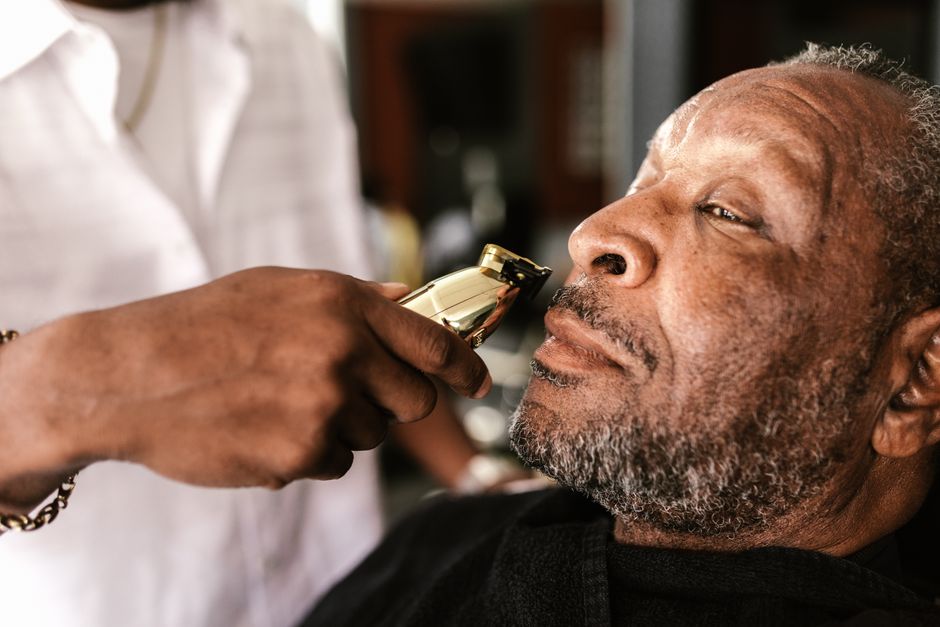
Trimming nose hair safely is simple: use a dedicated trimmer with rounded tips, never pull hairs out, and cut only the visible strands. The safest tool is a manual trimmer or an electric nose hair trimmer designed with a protective guard. Clean the tool before and after each use, and only trim what sticks out past the nostrils. This prevents cuts, infections, and ingrown hairs.
What Is the Safest Tool for Trimming Nose Hair?
The safest tool is a trimmer made specifically for nose hair. These have rounded blades that cut hair without poking the sensitive skin inside your nostrils. Electric trimmers are the most popular choice. They are fast and reduce the chance of nicking yourself.
Manual trimmers look like small scissors but have blunt tips. They work well if you have a steady hand and good lighting. Avoid using tweezers, wax, or hair removal creams inside your nose. The skin there is thin and full of blood vessels. Pulling or burning hair can cause serious irritation or infection.
Research published in the Journal of the American Academy of Dermatology notes that the nasal vestibule — the area just inside your nostrils — is prone to folliculitis if damaged. A clean, gentle trim avoids this risk entirely.
What Tools Should You Absolutely Avoid?
Tweezers are the most common mistake people make. Plucking nose hairs leaves open pores where bacteria can enter. This can lead to painful pimples or a staph infection. The American Academy of Family Physicians warns that infections in the nasal area can spread quickly because of the rich blood supply.
Waxing inside the nose is dangerous. Hot wax can burn the delicate lining. Pulling wax off strips away the top layer of skin, leaving raw tissue. Hair removal creams contain chemicals that burn skin on contact. There are no studies showing these creams are safe for nasal use. As of 2026, no major health organization recommends them for nose hair.
Scissors with sharp points are also risky. One sneeze or sudden movement can push the point into the nasal wall. A cut inside the nose bleeds heavily and takes time to heal. Stick to tools with rounded tips and protective guards.
How To Trim Nose Hair Safe Tools And Steps
Start by washing your face and hands with soap and water. Clean the trimmer blades with rubbing alcohol or warm soapy water. Dry everything completely before use.
Stand in front of a well-lit mirror. Tilt your head back slightly so your nostrils face the light. Insert the trimmer gently — no deeper than the visible hair line. Move the trimmer in small circles along the rim of your nostril. Do not push inward or upward. Cut only the hairs that stick out past the nostril opening.
For manual trimmers, open the blades and slide them along the nostril edge. Close them gently over the visible hair. Cut one small section at a time. Blow your nose afterward to remove loose clippings. Rinse the trimmer again and store it in a dry place.
Do this every one to two weeks depending on how fast your hair grows. Over-trimming can irritate the skin, so wait until hairs are clearly visible before trimming again.





What Does Research Say About Nose Hair and Health?
Nose hair is not useless. It filters dust, pollen, and bacteria from the air you breathe. A study in the journal Respiratory Physiology & Neurobiology found that nose hair density is linked to lower rates of asthma and allergic rhinitis. People with less nose hair had more airway inflammation.
This does not mean you should never trim. It means you should not remove all your nose hair. The hairs deep inside your nasal passages are the ones doing the filtering. The hairs near the opening are the ones people see. Trimming only the visible ones preserves your natural defense system.
Over-plucking or waxing can create a gap in this filter. Some evidence suggests this may increase the risk of respiratory infections, though the studies are not conclusive. The CDC notes that the nose is a primary entry point for airborne viruses. Keeping some hair intact is a reasonable precaution.
What Are the Risks of Trimming Nose Hair Incorrectly?
Cuts inside the nose are the most immediate risk. The nasal lining is thin and heals slowly. A small cut can become an entry point for bacteria. This can cause folliculitis — a red, painful bump at the base of a hair follicle. In rare cases, bacteria can travel through veins to the brain. This condition, called cavernous sinus thrombosis, is extremely rare but life-threatening.
Ingrown hairs are another common problem. When a hair is cut too short, it may curl back into the skin. This causes a red, itchy bump that can become infected. Trimming only the visible portion of the hair prevents this.
Allergic reactions to unclean tools are also possible. Bacteria and fungi can grow on trimmers left in a damp bathroom. Clean your trimmer with alcohol before each use. Replace the blades or the entire unit every six months if it is an electric model.
| Risk | Cause | Prevention |
|---|---|---|
| Cuts and bleeding | Sharp tools or deep insertion | Use rounded-tip trimmers only |
| Folliculitis | Pulling or waxing hairs | Cut, never pluck |
| Ingrown hairs | Trimming too short | Cut only visible hairs |
| Infection | Unclean tools | Disinfect before each use |
| Allergic reaction | Hair removal creams | Avoid chemicals in nostrils |
How Often Should You Trim Nose Hair?
Most people need to trim nose hair every one to two weeks. This depends on your genetics, age, and hormone levels. Men tend to have more nose hair growth as they age due to testosterone levels. Women may notice increased growth during pregnancy or menopause.
There is no medical rule for how often to trim. The right schedule is the one where you trim only when hairs are visibly sticking out. Trimming more often than once a week increases the risk of irritation. Trimming less often means you are walking around with hair outside your nostrils.
Some people report that nose hair grows back thicker or darker after trimming. This is a myth. Research shows that cutting hair does not change its thickness or color. It only appears different because the blunt end of the cut hair is wider than the tapered tip of an uncut one.
Common Misconceptions About Nose Hair Trimming
One common belief is that nose hair should be completely removed for good hygiene. This is false. The World Health Organization states that nasal hair is part of the body’s first line of defense against airborne particles. Removing all of it may actually increase your exposure to pollutants and pathogens.
Another myth is that laser hair removal is a safe permanent solution for nose hair. Laser hair removal inside the nose is not approved by the FDA for this purpose. The nasal lining is too sensitive for laser treatment, and there are no long-term safety studies. Some people report burns and scarring from unlicensed providers offering this service.
A third misconception is that nose hair trimmers are all the same. They are not. Some cheap models have exposed blades that can pinch or cut the skin. Look for trimmers with a protective guard or a rotating head. Brands that are recommended by dermatologists or sold through medical supply stores are generally safer than generic online options.
Finally, some people believe that blowing your nose hard after trimming removes all loose hairs safely. Blowing too hard can push hair clippings deeper into the sinuses or irritate the trimmed area. Gently blowing or using a saline spray is better.
Frequently Asked Questions
Can I use regular scissors to trim nose hair?
No. Regular scissors have sharp points that can easily cut the inside of your nose. Use only trimmers with rounded tips made specifically for nose hair.
Does trimming nose hair make it grow back thicker?
No. Cutting hair does not change its thickness or color. The blunt end of a cut hair can appear thicker temporarily, but the hair itself is unchanged.
Is it safe to use a razor to shave nose hair?
No. Razors are not designed for the curved, sensitive surface inside the nose. They cause nicks, bleeding, and increase infection risk.
How do I clean my nose hair trimmer?
Wipe the blades with a cotton ball soaked in rubbing alcohol after each use. Let it dry completely before storing. Replace the trimmer or blades every six months.
