
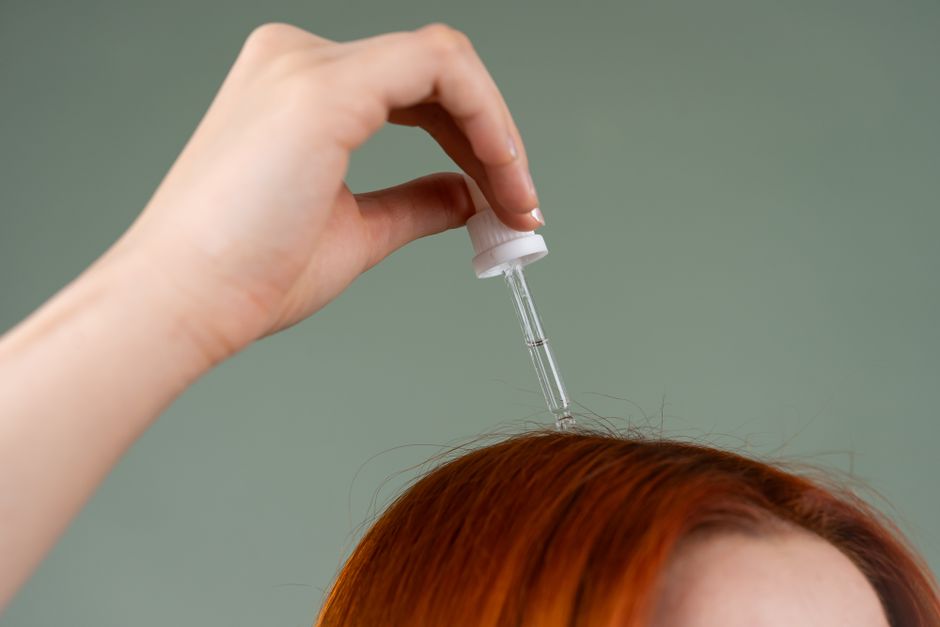
If you are pregnant and wondering whether you can still dye your hair, the short answer is yes — it is generally considered safe. Major health organizations including the American College of Obstetricians and Gynecologists (ACOG) say that hair dye is safe to use during pregnancy. The concern comes from the fact that your body absorbs a very small amount of chemicals through your scalp. But research has not found clear evidence that this tiny exposure harms a developing baby. That said, many women still want to be cautious. And there are smart ways to lower your exposure even more.
What Does Research Say About Dyeing Hair While Pregnant?
Studies on hair dye and pregnancy go back decades. The research is reassuring for the most part. A large review published in the journal Human Reproduction Update looked at multiple studies on hair dye use during pregnancy. It found no strong link between hair dye and birth defects or other pregnancy problems.
The concern has always been about the chemicals that enter your bloodstream through your scalp. Your skin can absorb small amounts of what you put on it. But the amount absorbed from hair dye is very small. Most studies estimate that less than 1% of the chemicals in hair dye actually enter your body. That is a tiny dose.
Some animal studies from the 1990s raised concerns about very high doses of certain dye chemicals. But those doses were far higher than what a person would ever be exposed to during a salon visit. Later human studies did not confirm those risks.
The CDC and the FDA both state that the evidence does not show harm from hair dye during pregnancy. They also note that more research is always welcome. But based on current data, the risk appears to be very low.
Are There Times When You Should Wait?
Some doctors recommend waiting until after the first trimester. This is not because the second trimester is safer in terms of chemical exposure. It is more about being extra cautious during the period when the baby’s organs are forming.
The first trimester is when the neural tube and major organs develop. That happens between weeks 3 and 10 of pregnancy. After that, the baby grows and matures but the basic structure is set. So some women choose to wait until after week 13 just to be safe.
Another reason to wait is morning sickness. Many women find that the smell of hair dye makes nausea worse. If you are already struggling with queasiness, the strong chemical smell could tip you over the edge. That is not a safety issue but it is a practical one.
If you have any high-risk pregnancy conditions, talk to your doctor first. Women with a history of miscarriage, preterm labor, or other complications may want to be more cautious. Your OB-GYN knows your specific situation.
What About Bleach and Highlights?
Bleach and highlights work differently than permanent hair color. Highlights involve wrapping sections of hair in foil. The dye does not touch your scalp at all. This means almost no chemical absorption through your skin.
Bleach contains stronger chemicals than standard hair dye. But again, the amount that gets into your bloodstream is very small. The same logic applies — your scalp does not absorb much.
If you are worried, highlights are a great option. They give you color without any scalp contact. You can also ask your stylist to keep the bleach or dye off your scalp as much as possible.
Some women choose to do just highlights during pregnancy and save full color for after the baby arrives. That is a reasonable choice if you want to minimize exposure.





What About Natural or Organic Hair Dye?
Natural and organic hair dyes are popular among pregnant women. But you need to know what those labels actually mean. There is no official definition for “natural” in hair products. Some brands that call themselves natural still contain chemicals.
Henna is a plant-based dye that has been used for centuries. It is generally considered safe during pregnancy. But you have to be careful with what is marketed as henna. Some products labeled “black henna” contain a chemical called paraphenylenediamine (PPD). That is the same chemical found in many permanent dyes. It can cause allergic reactions.
Organic hair dyes are less likely to contain ammonia and parabens. But they still contain colorants that your skin can absorb. The difference is usually small.
If you want to go the natural route, look for pure henna from a reputable source. Test a small patch of skin first. Some women develop new allergies during pregnancy even to things they have used before.
Is It Safe To Dye Your Hair While Pregnant — Salon vs. At Home
Whether you go to a salon or do it at home, the safety is about the same. But there are some differences to think about.
In a salon, the stylist controls the application. They can keep the dye off your scalp. They also have good ventilation. That matters because the fumes from hair dye can be strong. Good airflow reduces how much you breathe in.
At home, you have more control over the product you buy. You can choose a dye without ammonia or with fewer chemicals. You can also open windows and take breaks if the smell bothers you.
The table below compares the two options:
| Factor | Salon | At Home |
|---|---|---|
| Ventilation | Usually good | You control it |
| Scalp contact | Stylist can minimize | You control application |
| Product choice | Limited to what salon uses | You pick the brand |
| Cost | Higher | Lower |
| Smell exposure | Shorter time | Longer if you do it yourself |
Both options are safe. Choose the one that makes you more comfortable.
Tips for Lowering Your Exposure
If you want to be extra careful, here are simple steps that reduce your exposure to hair dye chemicals:
- Wait until after the first trimester if you are worried. There is no evidence that it makes a difference, but it is a common precaution.
- Use highlights or balayage. These techniques keep dye off your scalp entirely.
- Choose a semi-permanent or demi-permanent dye. These contain lower levels of peroxide and ammonia than permanent colors.
- Apply the dye in a well-ventilated room. Open windows or use a fan.
- Wear gloves during application. This prevents absorption through your hands.
- Rinse your scalp thoroughly after dyeing. This removes any residue.
- Do not leave the dye on longer than the instructions say. More time does not mean better color. It means more chemical contact.
- Do a patch test before you dye. Pregnancy can change how your skin reacts to products. Test a small area behind your ear 48 hours before.
These steps are not necessary for safety. They are for your peace of mind. If you feel better doing them, go ahead.
Common Misconceptions About Hair Dye and Pregnancy
There are a lot of myths about hair dye during pregnancy. Here are a few that are not backed by evidence.
One myth is that hair dye causes birth defects. That came from animal studies using extremely high doses. Human studies have not found that link. The American Academy of Dermatology states that hair dye is safe during pregnancy.
Another myth is that you should never dye your hair while pregnant. That advice is outdated. It came from a time when hair dyes contained more toxic chemicals. Modern formulas are much safer.
Some people claim that natural dyes are always safer. That is not necessarily true. Some natural dyes still contain strong allergens. And some chemical dyes are very mild. The safety depends on the specific product, not the label.
A final myth is that if you dye your hair you will have to stop breastfeeding. That is also false. The amount of chemicals that enter your bloodstream and then pass into breast milk is negligible. The CDC says hair dye is safe during breastfeeding.
Frequently Asked Questions
Can I dye my hair in the first trimester?
Most doctors say it is safe, but some recommend waiting until after week 13 as a precaution. The first trimester is when the baby’s organs are forming.
Does hair dye cause miscarriage?
Research has not found a link between hair dye and miscarriage. Studies show no increased risk from normal use during pregnancy.
Is ammonia-free hair dye safer during pregnancy?
Ammonia-free dyes are less harsh on your hair and have a milder smell. But they still contain colorants that can be absorbed through your skin.
Can I get my hair bleached while pregnant?
Yes, bleaching is considered safe. The chemicals are stronger but very little is absorbed through your scalp. Highlights are an even lower-exposure option.
