
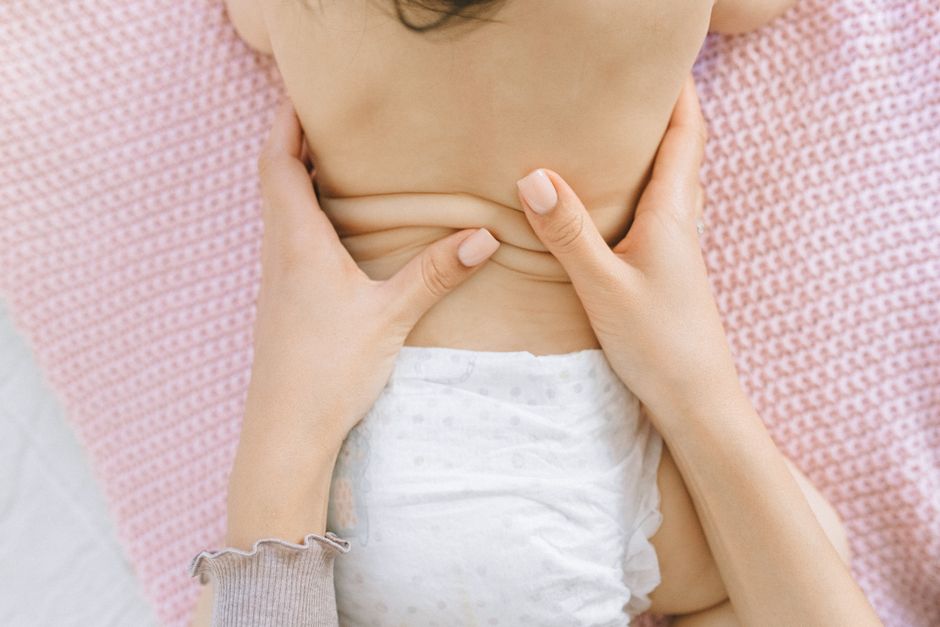
Yeast diaper rash is a fungal infection, not simple irritation, and that changes what treatment works. The creams that clear it contain an antifungal medicine — clotrimazole, miconazole, or nystatin — not just a barrier ointment. A barrier cream like zinc oxide can protect skin and reduce pain, but it will not kill the yeast. Most yeast rashes need an antifungal cream applied at every diaper change for several days, often one to two weeks, and they frequently need a follow-up plan because the yeast tends to return if the conditions that caused it are not addressed.
What Makes a Diaper Rash a Yeast Rash?
Most diaper rashes are irritant contact dermatitis. Urine and stool, especially stool, break down the skin barrier when they sit against skin too long. That rash looks red and raw in the areas the diaper touches most.
A yeast rash looks different. The fungus Candida albicans lives harmlessly on skin and in the gut in most people. When skin stays warm, damp, and broken down, the fungus overgrows. The result is a rash with several recognizable features:
- Bright red, raised, and sharply bordered skin
- Small red bumps or pus-filled pimples spreading beyond the main red area
- Involvement of the skin folds, which irritant rashes often spare
- A rash that has lasted more than a few days or keeps coming back
- Sometimes a scaly edge or satellite spots just outside the red patch
No single feature proves a yeast rash. A clinician usually makes the call by looking at the pattern and asking how long it has lasted and what has already been tried. If a rash has not improved after a few days of consistent barrier cream and frequent diaper changes, yeast becomes more likely.
How To Treat Yeast Diaper Rash Creams That Work
The creams that work contain an antifungal drug. This is the core of treatment, and it is not interchangeable with a plain barrier ointment.
Three antifungals are commonly used for diaper-area yeast in the United States, and all are available over the counter or by prescription depending on the product:
- Clotrimazole — sold as a 1% cream, widely available without a prescription
- Miconazole — also available over the counter in 2% strength
- Nystatin — prescription only, and a common first choice for infants
These medicines work by disrupting the fungal cell membrane or wall, which stops the yeast from growing. They do not treat bacteria, and they do not treat plain irritation. Using them on a non-yeast rash will not help.
Application matters as much as the choice of cream. A few practical points hold across all of them:
- Apply a thin layer at every diaper change, not just once or twice a day
- Clean the area gently with water and a soft cloth, then let it air dry before applying
- Do not rub the cream in hard — a light even layer is enough
- Keep using it for the full course even after the rash looks better, because yeast rebounds if you stop early
How long treatment takes varies. Many rashes improve within a few days, but a full course often runs one to two weeks. If there is no improvement after several days of consistent antifungal use, that is a signal to see a clinician rather than keep guessing.
Can You Use Antifungal Cream and Barrier Cream Together?
Yes, and this combination is often the most practical approach. The antifungal kills the yeast while the barrier cream protects healing skin from urine and stool.
Order matters. Apply the antifungal first, let it absorb for a moment, then layer a barrier ointment over it. Common barriers include zinc oxide paste and petrolatum-based ointments. A thick layer of zinc oxide is especially useful because it stays in place and shields skin from moisture.
One caution: some combination products mix an antifungal with a steroid. Steroids calm inflammation, which can make a rash look better quickly, but they also suppress local immune activity. Using a steroid on a fungal infection without an effective antifungal can let the yeast spread. For diaper rash, plain antifungal plus plain barrier is the safer default unless a clinician specifically recommends otherwise.


What Else Helps Beyond the Cream?
The cream does part of the work. The rest comes from changing the conditions that let yeast grow in the first place.
Frequent diaper changes are the single most important habit. Change as soon as you notice a wet or soiled diaper, and aim for changes every couple of hours during the day. Yeast thrives on warm, moist skin, so reducing time in a wet diaper directly reduces fungal growth.
Air time helps. Letting the diaper area dry completely before putting a new diaper on gives the skin a chance to recover. Some parents let the baby go without a diaper for short stretches on a waterproof pad.
Gentle cleaning matters too. Avoid harsh wipes, alcohol, and fragranced products while the skin is broken. Plain water or a mild fragrance-free wipe is kinder to damaged skin. Pat dry rather than rub.
If the baby is on antibiotics, or if the mother is breastfeeding and taking antibiotics, yeast overgrowth becomes more likely because antibiotics can disrupt the normal bacterial balance that keeps Candida in check. That is worth mentioning to a clinician.
When Should You See a Doctor for a Yeast Diaper Rash?
Most yeast rashes respond to consistent antifungal treatment at home. Some situations call for a clinician’s eyes.
- The rash is not improving after several days of antifungal cream used at every change
- It is spreading, blistering, or developing open sores
- The baby has a fever, is fussy in a way that seems out of proportion, or is feeding poorly
- The rash keeps returning after it clears
- There is pus, swelling, or warmth suggesting a bacterial infection on top of the yeast
A clinician can confirm whether the cause is yeast, bacteria, or something else. That matters because the treatments differ. A bacterial infection needs a different medicine, and using an antifungal alone will not resolve it.
Some rashes also turn out to be something other than yeast or irritation — eczema, a reaction to a product, or a skin condition that needs a specific approach. When in doubt, getting a diagnosis is faster than cycling through creams.
Why Yeast Diaper Rash Keeps Coming Back
Recurrence is common, and it usually points to an ongoing trigger rather than a cream that failed.
Yeast can survive on surfaces and in fabric. If diapers, wipes, or creams are contaminated, the fungus can be reintroduced. For cloth diapers, washing with hot water and a mild detergent helps. For reusable wipes, the same applies. Hands should be washed before and after changes.
Antibiotic use is a frequent trigger. So is prolonged moisture, tight diapers that trap heat, and diarrhea, which changes the skin environment and spreads stool more widely. Treating the rash without addressing these keeps the cycle going.
It is also possible that the original diagnosis was off. A rash that never responded to antifungal treatment may not have been yeast to begin with. That is a reason to get a second look rather than keep switching products.
Frequently Asked Questions
What is the best cream for a yeast diaper rash?
Creams containing an antifungal such as clotrimazole, miconazole, or nystatin are the ones that treat yeast. A barrier cream like zinc oxide helps protect skin but does not kill the fungus, so it is used alongside the antifungal, not instead of it.
How long does a yeast diaper rash take to clear?
Many rashes improve within a few days of consistent antifungal use, but a full course often runs one to two weeks. Keep applying the cream for the full course even after the skin looks better, because stopping early can let the yeast return.
Can I use diaper rash cream and antifungal cream at the same time?
Yes, and it is often the most practical approach. Apply the antifungal first, then layer a barrier ointment such as zinc oxide over it to protect the healing skin from moisture and stool.
When should I call the doctor about a yeast diaper rash?
Call if the rash is not improving after several days of antifungal treatment, is spreading or blistering, keeps returning, or comes with fever or poor feeding. A clinician can confirm whether the cause is yeast, bacteria, or something else.
