
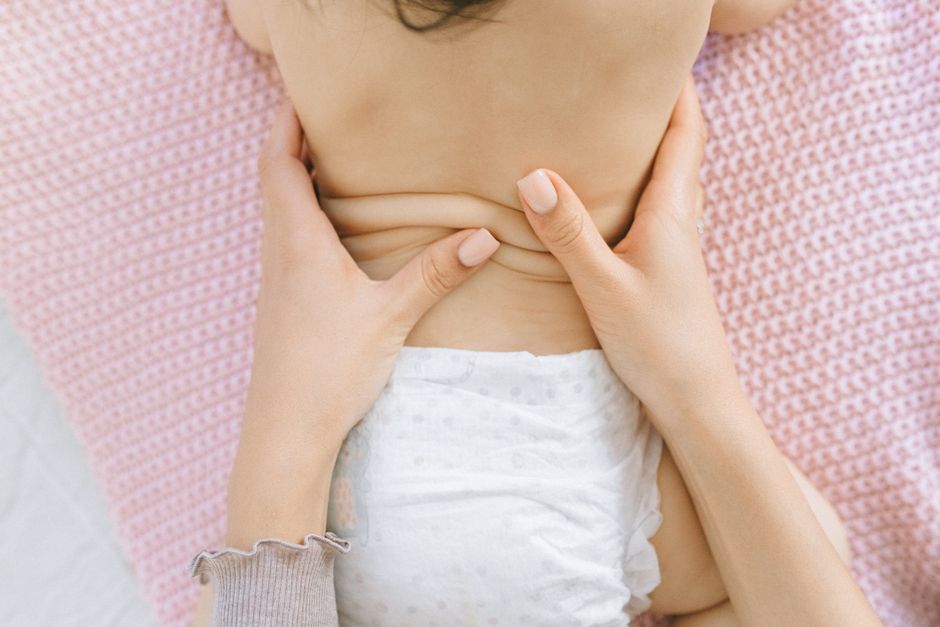
Extreme diaper rash means the skin is broken, raw, or covered in open sores. Treatment requires stopping the irritation, protecting the skin from moisture, and letting the damaged tissue heal. The steps below work for most severe cases, but you should contact a pediatrician if the rash includes blisters, pus, or a fever, or if it does not improve within 48 hours of home care.
What Does Extreme Diaper Rash Look Like?
Severe diaper rash is not a light pink patch. The skin may be deep red, swollen, shiny, or cracked. You might see bumps, blisters, or open areas that weep fluid. The rash can spread beyond the diaper area onto the thighs or lower belly.
This level of irritation means the skin barrier has failed. Urine and stool are now touching living tissue underneath the protective outer layer. That contact causes burning and pain. A baby with this rash may cry during diaper changes or resist being wiped.
If you see pimples, crusting, or sores that look like small burns, this may be a yeast or bacterial infection on top of the rash. These need different treatment. Do not assume a severe rash is always simple irritation.
Step 1: Stop Using Wipes Immediately
Baby wipes contain preservatives, fragrances, and alcohols that sting broken skin. Even “sensitive” wipes can burn an open wound. Stop using them until the skin heals.
Clean the area with warm water instead. Use a clean washcloth or a squirt bottle to rinse the skin. Pat the area dry with a soft towel. Never rub. Rubbing removes the few remaining skin cells and deepens the damage.
For stool, rinse thoroughly. For urine only, a gentle rinse is enough. Some parents use a peri bottle or a shallow warm bath. Whatever method you choose, the goal is the same: remove irritants without touching the raw skin.
Step 2: Let the Skin Air Dry Completely
Moisture is the enemy of healing skin. After cleaning, leave the diaper off for 10 to 15 minutes. Lay the baby on a towel or waterproof pad. This air exposure allows the skin to dry from the inside out.
Do not apply any cream or ointment to wet skin. Ointments trap moisture against the wound. Wait until the skin feels dry to the touch. If the area is too raw to touch, wait until it no longer looks shiny or wet.
For extreme cases, increase air time to 30 minutes several times per day. Some parents find that letting the baby nap without a diaper speeds healing significantly. This is safe on a waterproof surface with close supervision.



Step 3: Apply a Thick Barrier Paste
Once the skin is dry, apply a barrier ointment. The best products contain zinc oxide or petrolatum. These ingredients block urine and stool from touching the skin. They do not heal the rash directly. They create a shield so the skin can heal itself.
Apply the paste thickly. It should look like frosting on a cake. A thin layer is not enough. The paste needs to be thick enough to stay in place between changes and keep moisture off the skin.
Do not rub the paste in. Rubbing hurts and pushes the product into open cracks. Instead, dab or smear it on gently. If the paste is too thick to spread, warm it slightly between your fingers first.
Step 4: Choose the Right Diaper and Change Frequently
Use diapers one size larger than usual while the rash heals. A larger diaper means less friction against the sore skin. It also allows more airflow inside the diaper.
Change the diaper every 1 to 2 hours during the day, even if it only seems slightly wet. Urine is ammonia-rich and highly irritating to broken skin. Every minute of contact matters during healing.
Do not fasten the diaper tightly. A snug fit traps moisture and rubs the rash. If you use cloth diapers, switch to disposables temporarily. Cloth diapers hold moisture against the skin and require stronger detergents that can irritate raw areas.
How To Treat Extreme Diaper Rash Step By Step: When to Add Medication
Plain barrier cream is not enough if the rash is infected. A yeast infection is the most common complication of severe diaper rash. It appears as bright red skin with distinct borders and small red dots around the main rash area.
Yeast requires an antifungal cream. Over-the-counter clotrimazole or miconazole creams are commonly used for this purpose. Apply the antifungal first, then layer the barrier paste on top. The antifungal treats the infection while the barrier protects the skin.
Do not use hydrocortisone cream on a severe rash without a doctor’s advice. Steroids thin the skin and can make an infection worse. They also mask symptoms, which delays proper diagnosis. Only a pediatrician should decide if a steroid is needed.
If you suspect a bacterial infection, do not guess. Bacterial infections may need prescription antibiotic ointment. Signs include honey-colored crusting, pus, or a rash that spreads rapidly despite good care.
What Makes Extreme Diaper Rash Worse
Several common habits slow healing or worsen the rash. Avoid these until the skin recovers:
- Using baby powder or cornstarch. These clump in skin folds and trap moisture.
- Using wipes with alcohol, fragrance, or harsh preservatives.
- Leaving a wet diaper on for more than 2 hours.
- Using plastic pants or tight waterproof covers over cloth diapers.
- Adding new foods during the healing phase. New foods change stool composition and can prolong irritation.
- Using adult diaper rash products. These contain different active ingredients and are not formulated for infant skin.
Bubble baths and scented soaps can also irritate the area. Use plain water or a mild, fragrance-free cleanser only if water alone does not remove stool completely.
When To Call a Doctor
Some cases of extreme diaper rash require medical treatment. Contact a pediatrician if you see any of these signs:
- The rash does not improve after 48 to 72 hours of proper home care.
- The baby develops a fever.
- The rash has blisters, pus, or open sores that weep fluid.
- The rash spreads beyond the diaper area to the arms, face, or scalp.
- The baby seems unusually lethargic or is not eating normally.
- The rash bleeds or the skin peels in large sheets.
These symptoms can indicate a bacterial infection like impetigo or a more serious condition. Do not wait to see if it resolves on its own. Severe diaper rash that fails to respond to barrier treatment within 3 days warrants a medical visit.
A doctor can determine whether the rash is caused by yeast, bacteria, or an allergic reaction. They may prescribe a specific antifungal, antibiotic, or a short course of a mild steroid. Prescription treatments are often stronger and more targeted than anything available over the counter.
How To Prevent Extreme Diaper Rash From Returning
Once the skin heals, prevention becomes the priority. The same principles apply: keep the area clean, dry, and protected.
Change diapers promptly. For newborns, that means every 1 to 2 hours. For older babies, change as soon as you notice wetness or stool. Do not wait for the diaper to feel full.
Continue using a barrier cream at every change, even when the skin looks healthy. A thin layer of zinc oxide or petrolatum prevents urine and stool from causing the next flare-up. Many parents only use cream when a rash appears; this is a mistake. Consistent daily use prevents most rashes before they start.
Make sure diapers fit properly. A diaper that is too small rubs the skin and traps moisture. A diaper that is too large leaks and allows stool to spread. Check the fit around the legs and waist. You should be able to fit two fingers between the diaper and the baby’s waist.
If your child has frequent severe rashes, consider whether the diaper brand is the problem. Some babies react to specific dyes or materials in certain disposable diapers. Switching brands may resolve the issue. The same applies to wipes, detergents, and bath products.
Frequently Asked Questions
How long does extreme diaper rash take to heal?
With proper treatment, visible improvement usually appears within 24 to 48 hours. Complete healing of severely broken skin can take 5 to 7 days.
Can I use cornstarch on severe diaper rash?
No. Cornstarch clumps in skin folds and traps moisture, which makes the rash worse and can feed yeast. Use a thick zinc oxide paste instead.
Is it safe to let my baby sleep without a diaper during a severe rash?
Yes, air exposure speeds healing, but only with close supervision on a waterproof pad. This is not safe for overnight sleep because urine and stool will contact the skin without protection.
What cream is best for extreme diaper rash?
Zinc oxide paste in the highest concentration you can find is the standard first-line treatment. If yeast is present, an antifungal cream applied before the zinc oxide is needed.
