
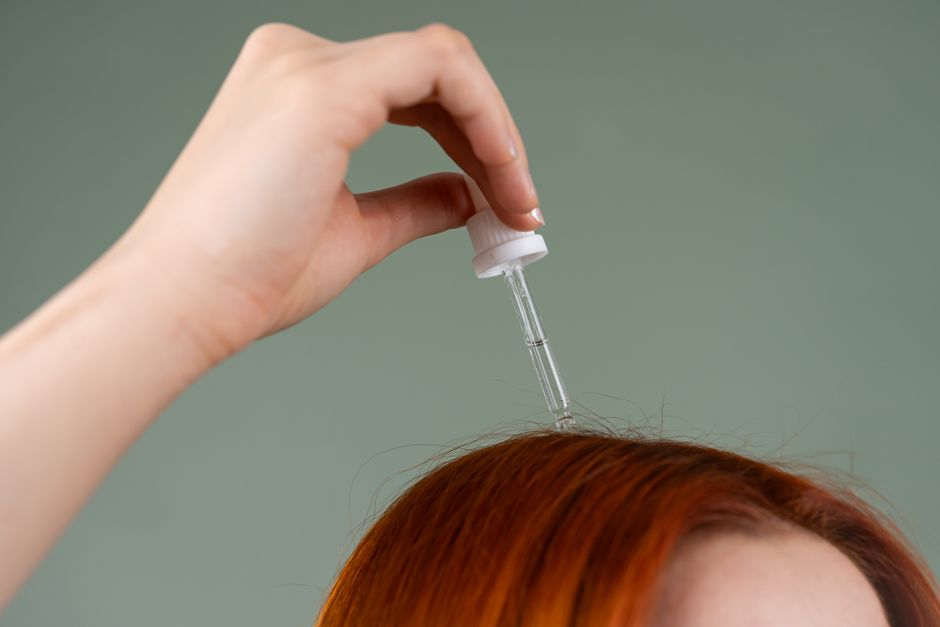
Head lice are a common problem, especially for families with school-aged children. The good news is that head lice can be treated effectively at home without harsh chemicals. The most reliable natural approach combines thorough wet combing with a silicone-based or oil-based product that suffocates the lice, followed by consistent removal of nits over a period of two weeks. This method works when done correctly and patiently, but it requires more effort than a single chemical treatment.
What Are Head Lice and How Do They Spread?
Head lice are tiny insects that live on the human scalp and feed on blood. They are not a sign of poor hygiene. In fact, lice prefer clean hair because it is easier to grip. The medical term for an infestation is pediculosis capitis.
Lice spread through direct head-to-head contact. They cannot jump or fly. They crawl from one person’s hair to another’s. Sharing combs, brushes, hats, or pillows can also spread them, but this is less common than direct contact. Lice do not survive away from a human scalp for more than about 24 to 48 hours.
The female louse lays eggs called nits. These nits are glued firmly to the hair shaft, close to the scalp. They hatch in about 7 to 10 days. The empty shells remain attached to the hair as it grows, which is why you may see nits far down the hair shaft even after treatment.
Does Wet Combing Actually Work?
Yes. Wet combing is the foundation of natural head lice treatment. The technique involves applying a conditioner or oil to wet hair and systematically removing lice and nits with a fine-toothed comb. The conditioner stuns the lice briefly, making them easier to remove.
The most studied wet combing protocol is called the “bug busting” method. It requires combing the hair section by section every three to four days for at least two weeks. This timing matters because it interrupts the louse life cycle. You remove adult lice before they can lay new eggs, and you remove newly hatched nymphs before they mature and reproduce.
Studies show that wet combing alone can be effective, but success depends heavily on how carefully and consistently it is done. Missing even a few lice can restart the infestation. Many parents find it helpful to have another person help with the combing, especially for long or thick hair.
Which Natural Oils Suffocate Lice?
Several household oils can smother lice by blocking their breathing pores. Olive oil, coconut oil, and mineral oil are the most commonly used. The oil needs to saturate the hair and scalp completely and remain in place for several hours. Covering the hair with a shower cap or plastic wrap during this time improves results.
A 2018 study published in the journal Pediatric Dermatology compared mineral oil to a prescription insecticide. The mineral oil treatment was applied three times over a period of days and achieved similar cure rates to the prescription product. This suggests that suffocation-based treatments are a legitimate option, not just a home remedy.
Some people add essential oils like tea tree oil or lavender oil to the carrier oil. Laboratory research shows these essential oils have insecticidal properties against lice. However, clinical evidence for their effectiveness in real-world conditions is limited. Tea tree oil can also cause skin irritation or allergic reactions, especially in children. If you choose to use essential oils, dilute them properly and test a small area of skin first.





How To Comb Out Lice and Nits Step by Step
Effective removal requires the right tools. A metal fine-toothed lice comb with closely spaced teeth works better than plastic combs, which can flex and let lice slip through. Many pharmacies sell dedicated lice combs designed for this purpose.
Follow these steps for each combing session:
- Wash the hair with regular shampoo and apply a generous amount of conditioner. Do not use a conditioner that contains anti-lice chemicals.
- Detangle the hair with a wide-toothed comb first.
- Work through the hair in small sections, about one to two inches wide.
- Insert the fine-toothed comb at the scalp and pull it through to the ends of the hair.
- Wipe the comb on a paper towel or rinse it in a bowl of water after each stroke to check for lice.
- Repeat until the entire head has been combed.
- Comb every three to four days for at least two weeks.
Combing wet hair with conditioner makes the process more comfortable because the hair glides easily. It also reduces the chance of lice escaping during combing. Some experts recommend continuing to comb once a week for an additional month to catch any lice that may have survived.
How To Remove Nits That Won’t Come Off
Nits are glued to the hair shaft with a cement-like substance. They do not wash out with regular shampoo. The fine-toothed comb can remove many nits, but some may remain stubbornly attached.
There is no reliable chemical that dissolves the nit glue without damaging hair. Acidic substances like vinegar are sometimes suggested, but clinical evidence does not support their effectiveness. A mixture of vinegar and water applied for a few minutes may soften the nits slightly, making them easier to slide off, but results vary.
Some families choose to remove remaining nits by hand. This is time-consuming but can be effective for small numbers. Slide the nit down the hair shaft between your fingernails or use a nit removal tool. Focus on nits within a quarter inch of the scalp, because those are the ones that may still hatch. Nits further down the hair shaft are almost certainly empty or dead.
Do Home Remedies Like Mayonnaise or Petroleum Jelly Work?
Mayonnaise, petroleum jelly, and similar thick substances are popular home remedies. The theory is that they suffocate lice by coating them completely. In practice, these products are messy, difficult to wash out, and not well studied for effectiveness.
A small study from the 1980s found that petroleum jelly applied overnight killed lice but did not kill nits. The lice were suffocated, but the eggs survived and hatched later. This means you would still need to repeat treatment and continue combing. Given the difficulty of washing petroleum jelly out of hair, most clinicians do not recommend it as a first-line approach.
Mayonnaise has no scientific evidence behind it. It may kill some lice through suffocation, but it is not a reliable treatment on its own. If you use these methods, you must still comb thoroughly and repeat the process to catch newly hatched lice.
What About Natural Products From the Pharmacy?
Several over-the-counter products use plant-based ingredients rather than synthetic insecticides. These products often contain oils like coconut, anise, or neem. Some also include dimethicone, a silicone-based ingredient that coats lice and suffocates them.
Dimethicone products are not technically “natural,” but they are non-toxic to humans and have strong clinical evidence behind them. A 2012 review in the British Medical Journal found that dimethicone lotions were effective and safe. They work by physically coating the lice rather than poisoning them, which means lice cannot develop resistance.
If you prefer a plant-based product, look for one that lists suffocating oils as active ingredients. Follow the package instructions exactly. Even with these products, combing remains essential to remove nits and confirm the treatment worked.
When Should You See a Doctor?
Most head lice infestations can be managed at home. However, you should see a healthcare provider if the infestation persists after several weeks of consistent treatment. This may indicate that you are missing live lice during combing, or that the product you are using is not working.
You should also seek medical advice if the scalp becomes infected. Signs of infection include redness, swelling, warmth, oozing, or tender lymph nodes behind the ears or at the back of the neck. Scratching can break the skin and allow bacteria to enter. This is not common, but it does happen.
Prescription treatments are available if natural methods fail. These include topical insecticides like permethrin or benzyl alcohol, as well as oral medications such as ivermectin. A doctor can help determine which option is appropriate based on your situation and whether there is evidence of resistance.
How To Prevent Reinfestation After Treatment
After you have treated the affected person, you need to reduce the risk of reinfestation. Check all household members for lice and treat anyone who has live lice or nits within a quarter inch of the scalp. Treating everyone at the same time prevents the lice from bouncing between people.
Wash bedding, clothing, and towels that the affected person used in the past 48 hours in hot water and dry them on high heat. Items that cannot be washed can be sealed in a plastic bag for two weeks. Soak combs and brushes in hot water for at least 10 minutes.
Do not use lice sprays on furniture or carpets. The risk of getting lice from a sofa or carpet is extremely low because lice need a human blood meal to survive. Vacuuming floors and furniture is sufficient. Focus your energy on checking heads and combing, not on deep cleaning the house.
Why Do Some Treatments Fail?
Treatment failure is frustrating but common. The most frequent reason is incomplete combing. Missing even a small section of hair can leave behind a few lice that restart the infestation. Another common issue is stopping treatment too early. You need to continue checking and combing for at least two weeks after the last live louse is seen.
Resistance to chemical treatments is a growing problem. Many over-the-counter insecticides no longer work in certain regions because lice have developed genetic resistance. This is one reason natural suffocation methods are attractive. Lice cannot evolve resistance to being physically coated and suffocated.
Reinfestation from an untreated contact is also common. If your child’s school or playgroup has an ongoing lice problem, your child may pick up new lice shortly after treatment. This does not mean your treatment failed. It means the source of infestation is still active.
Frequently Asked Questions
How long does natural head lice treatment take?
Natural treatment requires at least two weeks of consistent combing every three to four days. Full clearance is confirmed when no live lice are found for 14 days.
Can vinegar kill head lice?
No, vinegar does not kill lice. It may help loosen the glue that holds nits to the hair, but it has no insecticidal effect on live lice.
Is it safe to use essential oils on children for lice?
Essential oils like tea tree and lavender should be heavily diluted in a carrier oil and tested on a small skin area first. They can cause irritation or allergic reactions, and no clinical guidelines exist for their use in children.
Do I need to wash all bedding and clothes?
Wash items used in the past 48 hours in hot water and dry on high heat. Items that cannot be washed can be sealed in a plastic bag for two weeks.
