
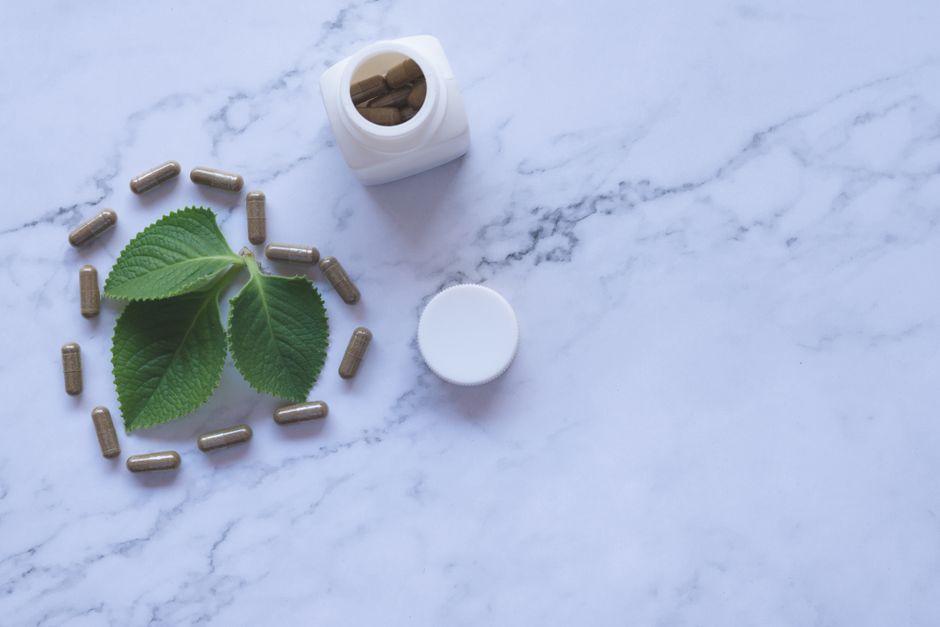
Ashwagandha extract comes from the roots and leaves of the Withania somnifera plant, a small shrub native to India and North Africa. It is one of the most important herbs in Ayurveda, the traditional medicine system of India, where it has been used for thousands of years. The name “ashwagandha” means “smell of the horse” in Sanskrit, referring to the root’s distinct odor and the traditional belief that it imparts the strength and vitality of a stallion. It is also known as Indian ginseng or winter cherry, though it is not botanically related to true ginseng.
In modern terms, ashwagandha is classified as an adaptogen. Adaptogens are natural substances that are thought to help the body resist physical and mental stress. The active compounds in the extract, called withanolides, are the reason most people take it. These naturally occurring steroids are believed to be responsible for most of the plant’s biological effects, ranging from reducing anxiety to supporting muscle strength.
People take ashwagandha extract for many reasons, but stress relief and sleep support are the most common. The research on these uses is more developed than for many other herbal supplements, though significant questions remain about how strong the effects really are.
What Is Ashwagandha Extract And How Does It Work?
Ashwagandha extract works primarily by interacting with the body’s stress response system, known as the hypothalamic-pituitary-adrenal (HPA) axis. When you experience stress, this system signals the adrenal glands to release cortisol, the primary stress hormone. Chronic stress keeps cortisol levels elevated, which can disrupt sleep, increase anxiety, and contribute to fatigue.
The withanolides in ashwagandha appear to modulate this system. Research suggests they can lower cortisol production and reduce the activity of stress pathways in the brain. A well-known clinical trial published in the journal Medicine found that adults who took a high-concentration ashwagandha root extract for 60 days had significantly lower cortisol levels compared to a placebo group.
Ashwagandha also interacts with GABA receptors in the brain. GABA is the main inhibitory neurotransmitter, meaning it slows down nerve signals. This calming effect is one reason the herb is used to promote relaxation and improve sleep quality. The combination of cortisol regulation and GABA activity likely explains most of the benefits people report.
What Are the Proven Benefits of Ashwagandha Extract?
Stress and anxiety reduction is the best-studied benefit of ashwagandha. Multiple randomized controlled trials have tested it against placebo in adults with self-reported stress. Most of these studies show modest but measurable reductions in anxiety scores and cortisol levels after 30 to 60 days of use.
Sleep improvement is closely linked to stress reduction. Some trials have found that people with insomnia who take ashwagandha fall asleep faster and sleep longer. The effect appears strongest in people who report poor sleep due to stress, rather than those with other sleep disorders.
Physical performance is another area of active research. A few studies have shown that ashwagandha extract can increase muscle strength, endurance, and oxygen consumption during exercise. The evidence here is less consistent than for stress, but the direction of the research is generally positive.
Cognitive function has also been investigated. Some small studies suggest ashwagandha may improve memory, attention, and reaction time. These findings are preliminary, and most trials have been too small to draw firm conclusions.
How Much Ashwagandha Extract Should You Take?
Clinical trials have used a wide range of doses, which makes a single universal recommendation difficult. Most well-designed studies use between 300 and 600 mg of standardized extract per day, divided into one or two doses. Standardized extracts typically contain a specified percentage of withanolides, usually around 5 percent.
The specific dose that works for one person may not work for another. Body weight, individual sensitivity, and the severity of symptoms all play a role. Some research suggests that lower doses of 250 mg per day are effective for sleep, while higher doses around 600 mg per day may be needed for anxiety reduction.
It is important to check the supplement label carefully. Ashwagandha is sold in many forms, including whole root powder, leaf powder, and standardized extracts. The concentration of withanolides varies dramatically between these products. A capsule of plain root powder may contain far fewer active compounds than a capsule of standardized extract, even if the weight is the same.





How Long Does It Take for Ashwagandha to Work?
Ashwagandha is not a fast-acting supplement. It works gradually by modulating stress pathways over time, rather than providing an immediate effect. Most clinical trials measure outcomes after 30, 60, or 90 days of daily use.
Some people report feeling calmer within the first week. However, measurable changes in cortisol levels and anxiety scores typically require at least four weeks of consistent use. The full effects on sleep quality and physical performance may take eight weeks or longer to appear.
Consistency matters more than dose. Taking ashwagandha sporadically is unlikely to produce meaningful results. The compound builds up in the body and works cumulatively, so missing several days in a row can reset some of the progress.
What Are the Side Effects and Risks?
Ashwagandha is generally well tolerated in healthy adults when taken at recommended doses for up to three months. The most commonly reported side effects are mild and include stomach upset, loose stools, nausea, and drowsiness. These effects usually resolve on their own or when the dose is reduced.
Serious side effects are rare but have been reported. There are case reports of liver injury associated with ashwagandha use, though it is unclear whether the herb caused the damage or if other factors were involved. Anyone with existing liver disease should avoid ashwagandha until more is known.
Ashwagandha can interact with several medications. It may enhance the effects of sedatives, thyroid hormone replacement, and medications for diabetes by lowering blood sugar. It may also increase the effects of immunosuppressants because of its potential to stimulate immune activity.
There is no established safety data for ashwagandha during pregnancy or breastfeeding. Some traditional sources used it to induce miscarriage, so pregnant women should not take it. No clinical guidelines currently exist for this population, and the safest choice is to avoid it entirely.
Who Should Not Take Ashwagandha Extract?
People with autoimmune diseases such as rheumatoid arthritis, lupus, or multiple sclerosis should be cautious. Ashwagandha may stimulate the immune system, which could worsen these conditions. The theoretical risk is based on the herb’s known effects on immune cells, but no large human trials have confirmed this interaction.
People scheduled for surgery should stop taking ashwagandha at least two weeks beforehand. The herb can slow down the central nervous system, and the combination with anesthesia may be dangerous. It can also affect blood sugar levels during the surgical recovery period.
Anyone taking thyroid medication should monitor their thyroid hormone levels closely. Some research suggests ashwagandha can increase thyroid hormone production, which may require a dose adjustment of the medication. This interaction is not fully understood, and the evidence is based on a few small studies.
People with stomach ulcers should use caution. Ashwagandha can irritate the gastrointestinal lining, and there are concerns it may worsen peptic ulcers. The herb is sometimes recommended for digestive issues, but the evidence for this use is weak.
How Does Ashwagandha Compare to Other Stress Supplements?
Ashwagandha is often compared to other adaptogens like rhodiola rosea and ginseng, but the mechanisms are different. Rhodiola primarily works by influencing serotonin and dopamine levels, while ashwagandha targets cortisol and GABA. This means the two herbs may help different types of stress.
Unlike many synthetic anti-anxiety medications, ashwagandha does not appear to cause dependency or withdrawal symptoms. This makes it an attractive option for people who want a more natural approach to stress management. However, the effects are generally milder than prescription medications.
The evidence for ashwagandha is stronger than for most herbal supplements on the market. But that is a low bar. Many other popular adaptogens have almost no human trial data behind them. Ashwagandha has at least a dozen randomized controlled trials, which puts it ahead of most competitors.
Frequently Asked Questions
Can ashwagandha extract cause weight gain?
There is no clinical evidence that ashwagandha causes weight gain. Some people report increased appetite while taking it, but this is not a consistent finding in research trials.
Is ashwagandha extract safe to take every day?
Daily use for up to three months is considered safe for healthy adults based on clinical trial data. Longer-term safety beyond three months has not been well studied.
Does ashwagandha extract lower blood pressure?
Some research suggests ashwagandha may mildly lower blood pressure due to its stress-reducing effects. The effect is modest, and it should not be used as a replacement for blood pressure medication.
Can ashwagandha extract be taken with coffee?
There is no known dangerous interaction between ashwagandha and caffeine. However, taking them together may reduce the calming effect of ashwagandha since caffeine stimulates the nervous system in the opposite direction.
