
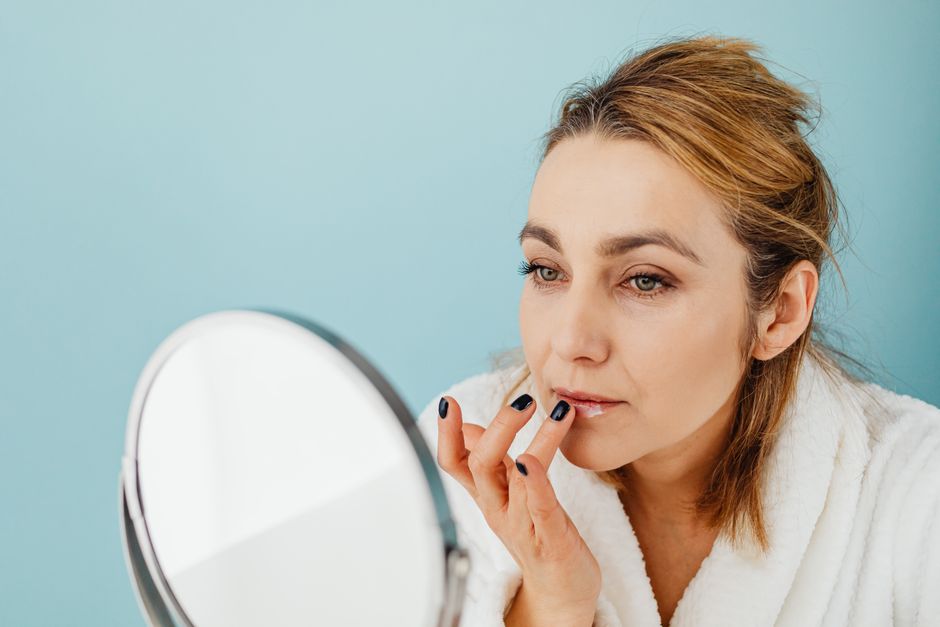
Swollen lips after teeth whitening are usually a contact reaction, not an allergic emergency. The bleaching gel or the tray holding it irritates the lip tissue, and the swelling typically settles within a few hours to a few days once the irritant is gone. Most cases can be managed at home with cold compresses, gentle washing, and a break from whitening until the lips return to normal.
Why Does Teeth Whitening Make Your Lips Swell?
The swelling is a localized inflammatory response. Lip tissue is thin, highly vascular, and directly exposed to whatever touches it. When a bleaching agent sits against that tissue, the body releases histamine and other inflammatory mediators into the area. Blood vessels widen, fluid leaks into surrounding tissue, and the lip puffs up.
The most common culprit is hydrogen peroxide or carbamide peroxide gel. These are the active bleaching agents in nearly all whitening products, from dentist-applied gels to over-the-counter strips and trays. At higher concentrations, the gel can chemically irritate the lip on contact. Even at lower concentrations, prolonged contact can cause the same result.
There is a second mechanism worth understanding. Some people react to the tray itself rather than the gel. Custom trays and stock trays are usually made from plastic materials, and a small number of users develop irritation from the material or from a poor fit that causes friction. If your lips swell but your gums and teeth feel fine, the tray or the gel’s contact with the lip is the likely cause.
A third possibility is a true allergic contact reaction. This is less common than simple irritation, but it does happen. It tends to involve more itching, and it may extend beyond the lip to the skin around the mouth. If you have reacted to peroxide-based products before, this becomes more likely.
How To Treat Swollen Lips After Teeth Whitening
Stop the whitening immediately. This is the single most important step. Continued exposure keeps the inflammatory cycle going and can make the swelling worse.
Once the gel is removed, the goal is to calm the tissue and prevent further irritation. Cold is the most reliable tool here. Wrap an ice pack or a bag of frozen vegetables in a thin cloth and hold it against the lips for short intervals. Do not put ice directly on the skin. Cold narrows blood vessels, which reduces fluid buildup and eases discomfort.
Rinse the lips and mouth gently with cool water to remove any residual gel. Avoid hot drinks, spicy food, and anything acidic for the next day or two. These do not cause the swelling, but they can aggravate already irritated tissue.
Keep your hands off your lips. Touching, rubbing, or picking at them adds friction and can introduce bacteria if the skin is broken. If your lips feel dry, a plain, fragrance-free lip balm or petroleum jelly can help protect the surface. Skip flavored or medicated balms, since added ingredients can sting or trigger more irritation.
Over-the-counter options exist but should be used thoughtfully. An oral antihistamine may help if the swelling is driven by histamine release, though its benefit for simple contact irritation is not well established. Topical hydrocortisone is sometimes suggested, but it should not be applied to broken skin or used for more than a few days without medical guidance. If you are unsure whether your reaction is irritation or allergy, ask a pharmacist or dentist before self-treating.
Most mild swelling improves within hours. If it is not clearly better after a day or two, or if it is getting worse, that is a signal to get medical advice rather than wait it out.
When Swollen Lips Are a Medical Emergency
Swelling alone is rarely dangerous. Swelling that comes with certain other signs is a different situation, and it needs emergency care.
Seek immediate medical help if you have any of the following:
- Swelling of the tongue, throat, or inside of the mouth
- Trouble breathing, swallowing, or speaking
- Hives spreading across the face or body
- Dizziness, faintness, or a rapid heartbeat
- Swelling that is rapidly worsening within minutes
These signs point to a possible systemic allergic reaction, which is called anaphylaxis. It is uncommon after teeth whitening, but it is a real possibility and it can progress quickly. Do not drive yourself to the hospital if you have these symptoms. Call emergency services.
It is also worth knowing the difference between a local reaction and a systemic one. A local reaction stays at the lips. A systemic reaction involves other parts of the body. That distinction is what guides whether you manage this at home or seek emergency care.





What Not To Do While Your Lips Are Swollen
Several common instincts make things worse.
Do not apply more whitening product to “test” whether it was the cause. Do not use heat on the area, since warmth increases blood flow and can increase swelling. Do not scrub or exfoliate your lips. Do not use numbing gels containing benzocaine unless a clinician directs you to, because these can themselves cause irritation or a reaction.
Avoid alcohol-based mouthwashes and any product with strong fragrance or menthol while the tissue is healing. These add irritation without helping.
If the swelling is accompanied by blistering, open sores, or a burning sensation that does not settle, stop all at-home treatment and see a dentist or doctor. Blistering suggests a more significant chemical burn, which needs to be assessed.
How To Prevent Lip Swelling From Whitening Next Time
Prevention comes down to keeping the gel off your lips.
If you use a dentist-provided tray, ask about the fit. A tray that does not seal properly allows gel to migrate onto the lips. A well-fitted tray holds the gel where it belongs. Some dentists apply a protective barrier to the lips and gums before placing the gel, which reduces contact.
If you use over-the-counter strips or trays, follow the timing instructions exactly. Leaving a product on longer than directed does not improve results and increases the chance of irritation. Wipe away any gel that reaches your lips immediately with a clean tissue or cotton swab.
For people who have reacted before, lower-concentration products may be better tolerated. This is a reasonable step, but it is not a guarantee. A reaction can occur at any concentration, and some people remain sensitive regardless of strength.
If you have a known sensitivity to peroxide or to plastics, tell your dentist before any whitening procedure. There are alternative approaches, though they may be less effective. Your dentist can help you weigh the trade-off.
How Long Does the Swelling Usually Last?
For a mild contact irritation, swelling typically eases within a few hours to about two days once the gel is removed and the area is left alone.
A chemical burn from a higher-concentration gel can take longer. In those cases, the lip may stay tender and swollen for several days, and the skin may peel as it heals. This is a healing process, not a sign that something is wrong, but it should be monitored.
If swelling lasts beyond a few days, keeps getting worse, or returns each time you whiten, that pattern matters. It suggests either an ongoing exposure you have not identified or a sensitivity that will not resolve with repeated attempts. At that point, seeing a dentist or doctor is the sensible next step rather than continuing to experiment.
Frequently Asked Questions
How long do swollen lips last after teeth whitening?
Mild swelling usually settles within a few hours to about two days after the gel is removed. A chemical burn from a stronger gel can take several days and may involve peeling as the lip heals.
Should I stop whitening if my lips swell?
Yes. Stop the whitening right away and do not restart until the swelling has fully resolved. Continued exposure keeps irritating the tissue and can make the reaction worse.
Can I use hydrocortisone cream on swollen lips from whitening?
Some clinicians suggest it for short-term use, but it should not go on broken skin and should not be used for more than a few days without medical advice. Ask a pharmacist or dentist if you are unsure.
When should I see a doctor for swollen lips after whitening?
Get emergency care right away if you have swelling of the tongue or throat, trouble breathing or swallowing, or hives spreading beyond your lips. See a dentist or doctor if swelling lasts more than a few days or keeps getting worse.
