
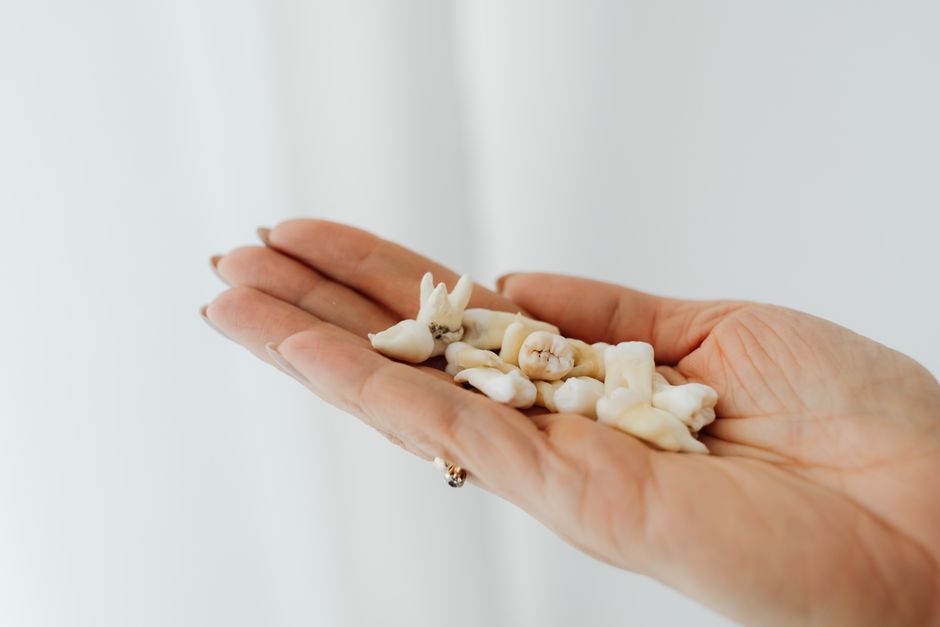
Wisdom teeth pain can make it hard to eat, sleep, or even think clearly. The good news is that several remedies backed by real evidence can help you manage the pain at home until you see a dentist. Cold packs, over-the-counter anti-inflammatory drugs like ibuprofen, salt water rinses, and clove oil applied to the gum are the most effective options. These remedies target the root cause of the pain — inflammation and pressure — rather than just masking the sensation. None of them replace professional dental care, but they can make the waiting period much more bearable.
What Actually Causes Wisdom Teeth Pain?
Wisdom teeth pain comes from a few different sources. The most common cause is impaction, meaning the tooth cannot fully break through the gum because there is not enough space in your jaw. The tooth pushes against other teeth, bone, or gum tissue, causing pressure and inflammation.
Another source of pain is pericoronitis, an infection of the gum tissue around a partially erupted wisdom tooth. Food and bacteria get trapped under a flap of gum called the operculum. This leads to swelling, redness, and sometimes a bad taste or smell. Research shows pericoronitis is most common in people aged 20 to 29.
Even wisdom teeth that come in straight can cause pain if they are hard to clean. Their position at the back of the mouth makes brushing and flossing difficult. Plaque builds up, gums become inflamed, and decay can develop on the tooth or the neighboring molar.
How To Soothe Wisdom Teeth Pain Remedies That Work
The most reliable remedies fall into two categories: things you apply directly to the area and things you take by mouth. Both have strong evidence behind them.
Cold therapy is your first line of defense. Apply an ice pack wrapped in a thin cloth to your cheek for 15 minutes on, 15 minutes off. This reduces blood flow to the area, which lowers swelling and numbs the pain. A 2021 review of studies in the Journal of Oral and Maxillofacial Surgery confirmed that cold packs significantly reduce post-operative pain and swelling.
Over-the-counter pain relievers are the most studied option. Ibuprofen (Advil, Motrin) works better than acetaminophen (Tylenol) for dental pain because it targets inflammation directly. A 2013 Cochrane review found that 400 mg of ibuprofen provided better pain relief than 1000 mg of acetaminophen after wisdom tooth removal. For severe pain, some dentists recommend alternating ibuprofen and acetaminophen every three hours — but check with your doctor first.
Salt water rinses help keep the area clean and reduce inflammation. Dissolve half a teaspoon of salt in a cup of warm water and swish gently for 30 seconds. Spit it out, do not swallow. Do this two to three times a day, especially after meals. The salt creates a hypertonic environment that draws fluid out of swollen tissues and discourages bacterial growth.
Clove oil has been used for tooth pain for centuries, and modern research backs it up. A 2006 study in the Journal of Dentistry found that clove oil was as effective as benzocaine, a common numbing agent, for reducing dental pain. Apply one drop of clove oil to a cotton ball and dab it on the painful gum. Do not swallow it. Too much can irritate the tissue or cause a burning sensation.
| Remedy | How It Works | Evidence Level |
|---|---|---|
| Ice pack | Reduces blood flow and swelling | Strong |
| Ibuprofen | Blocks inflammation at the source | Strong |
| Salt water rinse | Cleans area, reduces bacteria | Moderate |
| Clove oil | Numbs nerve endings | Moderate |
| Acetaminophen | Blocks pain signals in the brain | Strong |
What Does Not Work and What To Avoid
A lot of advice online sounds helpful but is not backed by evidence. Placing aspirin directly on the gum is one of the worst things you can do. Aspirin is acidic and can cause a chemical burn on the soft tissue, called an aspirin burn. It damages the gum and makes the pain worse. Swallow aspirin if you need it, but do not press it against the sore spot.
Heat packs on the outside of the cheek can actually increase swelling in the first 48 hours. Heat brings blood to the area. That is useful for muscle pain but not for an inflamed tooth or gum. Wait at least two days before trying heat.
Alcohol is not a pain reliever. Drinking whiskey or rubbing alcohol on the gums might numb the area briefly, but it irritates the tissue and can delay healing. It also interacts with pain medications. Some people report temporary relief, but strong evidence is limited and the risks outweigh any benefit.
Garlic is widely claimed to help tooth pain because of its antibacterial compound allicin. However, as of 2026, there is no clinical evidence that applying raw garlic to the gum reduces pain or infection in wisdom teeth. It can also cause chemical burns if left on too long. Skip this one.



When You Should See a Dentist Immediately
Home remedies are for temporary relief, not for solving the underlying problem. You need to see a dentist if any of the following happen:
- Pain lasts more than two days without improving
- Swelling spreads to your face, neck, or eye area
- You have a fever over 100.4°F (38°C)
- You cannot open your mouth fully
- You have trouble swallowing or breathing
- There is pus or a bad taste coming from the gum
These signs point to a serious infection that can spread beyond the mouth. Dental infections do not go away on their own. They require antibiotics, drainage, or removal of the tooth. Waiting too long can lead to a condition called Ludwig’s angina, a dangerous swelling in the floor of the mouth that can block the airway. This is rare but real.
Current research suggests that early removal of problematic wisdom teeth — especially in people under 25 — leads to fewer complications and faster healing. If your dentist recommends extraction, delaying it usually just means more pain and a harder recovery later.
What To Eat and Drink While Waiting for Treatment
What you put in your mouth matters when your gums are sore. Hard, crunchy, or spicy foods can make the pain worse. Stick to soft foods that do not require much chewing.
Good choices include: yogurt, applesauce, mashed potatoes, smoothies, scrambled eggs, oatmeal, soup (not too hot), and protein shakes. Cold foods like ice cream or frozen yogurt can also help numb the area temporarily.
Avoid anything with small hard pieces like nuts, seeds, popcorn, or chips. These can get stuck in the gum flap around a partially erupted wisdom tooth and trigger pericoronitis. Also avoid very hot drinks, which can increase inflammation. Carbonated beverages can irritate the gum tissue and should be limited.
If you drink smoothies, do not use a straw. The sucking motion can dislodge a blood clot if the tooth has partially erupted or if you have already had it removed. This can cause a painful condition called dry socket, which sets your recovery back by days.
What About Prescription Remedies?
If over-the-counter options are not enough, your dentist may prescribe something stronger. Prescription-strength ibuprofen (800 mg) is common. Some dentists prescribe a short course of opioid painkillers like codeine or tramadol for severe pain, especially after extraction. However, current guidelines from the American Dental Association recommend using opioids only when non-opioid options fail, and only for a few days.
Antibiotics are prescribed if there is an active infection. They do not relieve pain directly, but they stop the infection from spreading and allow the inflammation to go down. Common choices include amoxicillin or clindamycin for people with penicillin allergies. Do not take leftover antibiotics from a previous illness. You need the right drug for the specific bacteria involved.
Chlorhexidine mouthwash is sometimes prescribed for pericoronitis. It is a strong antiseptic that reduces bacteria around the gum. Use it exactly as directed — usually twice a day for 30 seconds. It can stain your teeth if used for more than a few weeks, so it is meant for short-term use only.
Frequently Asked Questions
Can I use a numbing gel for wisdom teeth pain?
Yes, benzocaine gels like Orajel can numb the gum for 15 to 30 minutes. They work best for mild pain and should not be used more than four times a day.
How long does wisdom teeth pain usually last?
Pain from an erupting wisdom tooth usually comes and goes over several days to weeks. Pain after extraction typically improves within three to five days.
Is it safe to remove a wisdom tooth at home?
No, it is not safe. Attempting to pull your own tooth can cause severe bleeding, infection, nerve damage, or a broken jaw. Always see a dentist.
Does clove oil work better than ice for wisdom teeth pain?
They work in different ways. Clove oil numbs the nerve, while ice reduces swelling. Using both can be more effective than either alone.
