
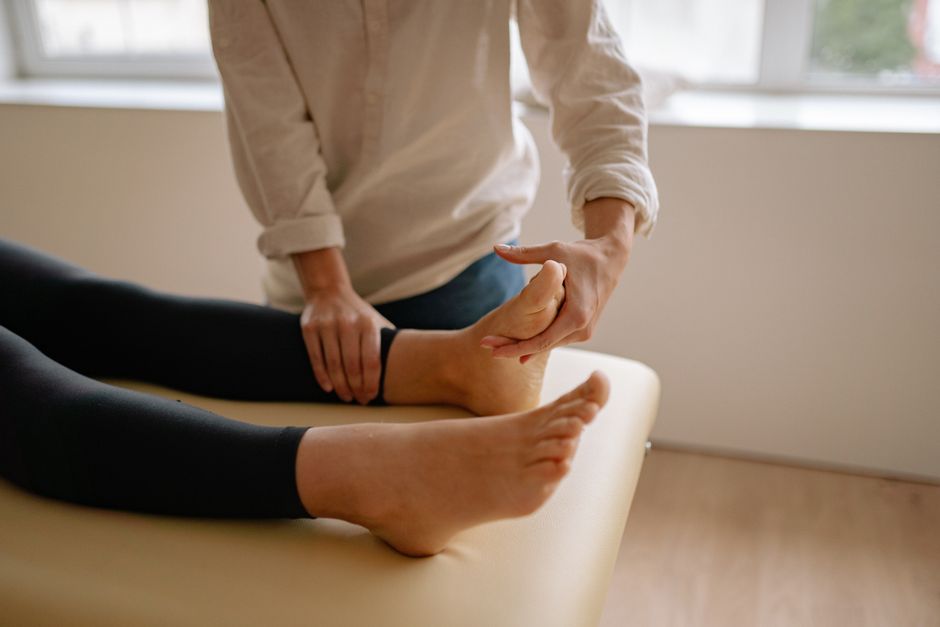
A swollen foot can make simple things like walking or putting on a shoe feel impossible. The most effective way to start healing it is to follow the RICE protocol — Rest, Ice, Compression, and Elevation — as soon as you notice the swelling. This approach reduces inflammation and pain in the first 48 hours, though the right treatment depends on what caused the swelling in the first place.
What Causes a Swollen Foot?
Swelling in the foot, medically called edema, happens when extra fluid gets trapped in your body’s tissues. It is not a disease itself but a symptom of something else going on.
Common causes include an injury like a sprain or fracture, standing or sitting for too long, and even hot weather. The CDC reports that venous insufficiency — when your veins have trouble sending blood back to your heart — is a leading cause of chronic foot swelling in adults over 50.
Other causes are more serious. Heart failure, kidney disease, and liver problems can all cause fluid buildup in the feet. Blood clots, infections, and medication side effects are also possible. If your swelling came on suddenly, affects only one foot, or is paired with chest pain or trouble breathing, you need medical attention immediately.
How To Heal a Swollen Foot With the RICE Method
For most injuries and minor swelling, the RICE method is the gold standard. Research published in the American Journal of Sports Medicine has supported this approach for decades, especially within the first 48 hours.
Rest means staying off your foot as much as possible. Do not walk on it if it hurts. Use crutches if needed. Resting prevents further damage and lets the healing process start.
Ice reduces blood flow to the area, which limits swelling. Apply an ice pack wrapped in a thin towel for 15 to 20 minutes at a time. Do not put ice directly on your skin. Repeat this every two to three hours during the first day.
Compression helps keep fluid from pooling in your foot. An elastic bandage works well. Wrap it snug but not tight — if your toes turn blue or feel numb, it is too tight. Remove the bandage before sleeping.
Elevation uses gravity to help fluid drain away from your foot. Keep your foot raised above the level of your heart whenever possible. Lying on a couch with your foot propped on pillows works. The higher you can get it, the better.
When To Use Heat Instead of Ice
Many people assume heat is always good for swelling. That is not true for acute injuries. Ice is for the first 48 hours when swelling is fresh and active. Heat comes later.
Heat can help with chronic swelling caused by conditions like arthritis or muscle stiffness. It improves blood flow and relaxes tight tissues. The Arthritis Foundation recommends warm soaks or heating pads for joint stiffness, but only when there is no active inflammation.
Never use heat on a new injury or if the skin is red and hot to the touch. Heat will increase blood flow and make acute swelling worse. As a general rule, if the swelling started less than two days ago, use ice. If it has been a week and the area feels stiff rather than hot, heat may help.





Medications and Topical Treatments for Swollen Feet
Over-the-counter nonsteroidal anti-inflammatory drugs (NSAIDs) like ibuprofen (Advil) or naproxen (Aleve) can reduce both pain and swelling. Research shows they work best for swelling caused by injury or inflammation. Acetaminophen (Tylenol) treats pain but does nothing for swelling.
Topical treatments are less studied but some people find them helpful. Arnica gel, which comes from a plant, has some evidence for reducing bruising and swelling after minor injuries. A 2016 review in the Journal of Clinical Pharmacy and Therapeutics found modest support for arnica but noted the studies were small.
Magnesium sulfate, better known as Epsom salt, is widely claimed to reduce swelling through soaking. The evidence is thin. Epsom salt baths can feel soothing and may temporarily improve circulation, but there is no strong clinical evidence that magnesium absorbs through the skin in meaningful amounts to reduce edema. If you find it relaxing, it is not harmful — just do not expect a medical effect.
Exercises and Movement That Help Swollen Feet
Complete rest is important at first, but gentle movement can actually help reduce swelling after the initial 48 hours. Movement activates your calf muscles, which act as a pump to push blood and fluid back up toward your heart.
Simple ankle pumps are effective. While sitting or lying down, point your toes away from you, then pull them back toward you. Repeat 10 to 15 times every hour. This works the calf muscle without putting weight on your foot.
Walking is fine once your doctor says it is safe and the pain has subsided. Start slow. If swelling gets worse after walking, you overdid it. The key is to find the balance between movement that helps circulation and movement that aggravates the injury.
Some studies suggest that compression stockings paired with light exercise are more effective than either alone for chronic foot swelling. A 2018 study in the Journal of Vascular Surgery found that patients with venous insufficiency who wore compression stockings and walked regularly had significantly less swelling after four weeks compared to those who only wore stockings.
Common Misconceptions About Healing Swollen Feet
One of the most persistent myths is that drinking more water will flush out the swelling. This is not how edema works. While dehydration can worsen some conditions, drinking extra water does not directly reduce fluid trapped in your tissues. If your swelling is from kidney or heart problems, too much fluid can actually make it worse.
Another common belief is that elevating your feet for a few minutes is enough. Elevation needs to be sustained. A quick five-minute leg rest does little to move fluid. The National Institutes of Health recommends keeping your foot elevated above heart level for 30 minutes several times a day for noticeable results.
Some people think that massage will push the fluid out. Massage can feel good and may temporarily move fluid, but it can also damage fragile tissues if done too aggressively. Never massage a swollen foot if you suspect a blood clot. Doing so can dislodge the clot and cause a life-threatening pulmonary embolism.
When Swelling Requires a Doctor
Not all foot swelling can be handled at home. Some signs mean you need medical help right away.
- One-sided swelling that appears suddenly could mean a deep vein thrombosis (DVT), which is a blood clot.
- Swelling with chest pain or shortness of breath can signal a pulmonary embolism or heart problem.
- Red streaks, warmth, or fever along with swelling suggest an infection that needs antibiotics.
- Swelling that does not improve after a few days of RICE treatment should be evaluated.
- Pitting edema — when pressing your finger into the swollen area leaves a dent — can indicate heart, kidney, or liver issues.
Your doctor may order blood tests, an ultrasound, or imaging to find the root cause. Treating the underlying condition is the only way to resolve swelling that does not come from a simple injury.
Comparison of Common Treatments for Foot Swelling
| Treatment | Best For | Evidence Level |
|---|---|---|
| RICE Method | Acute injury, sprains, fractures | Strong — supported by decades of sports medicine research |
| NSAIDs (ibuprofen, naproxen) | Inflammatory swelling and pain | Strong — well-established in clinical trials |
| Compression stockings | Chronic venous insufficiency, lymphedema | Strong — recommended by vascular surgery guidelines |
| Elevation | All types of edema | Moderate — widely accepted but few large trials |
| Epsom salt soak | Relaxation, muscle soreness | Weak — no strong clinical evidence for reducing edema |
| Arnica gel | Bruising, minor injury swelling | Weak to moderate — small studies show some benefit |
Frequently Asked Questions
How long does a swollen foot take to heal?
Mild swelling from a sprain usually improves within 2 to 3 days with proper care. Chronic swelling from conditions like venous insufficiency may take weeks or require ongoing management.
Can I sleep with my foot elevated?
Yes, sleeping with your foot propped on pillows can help reduce swelling overnight. Just make sure your knee is slightly bent to avoid strain.
Is walking good for a swollen foot?
Gentle walking can help after the first 48 hours if it does not cause pain. Stop if the swelling gets worse and rest more.
What is the fastest way to reduce swelling in the foot?
The fastest method is combining ice, compression, and elevation all at once. This trio works together to reduce fluid buildup more quickly than any single approach.
