
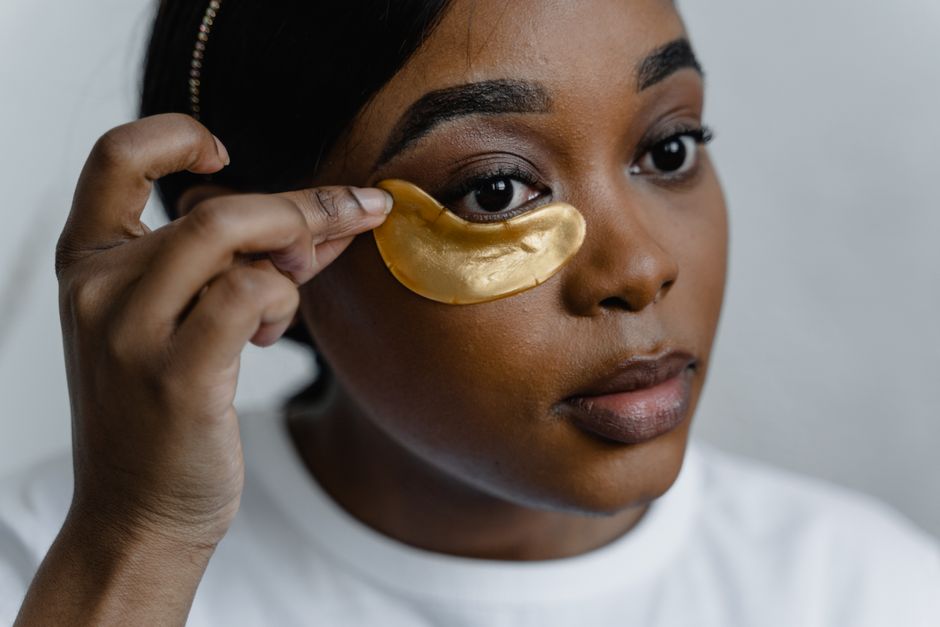
Dark circles under your eyes are not always from being tired. The truth is that what works depends entirely on why you have them in the first place. For most people, the most effective treatments target thinning skin, visible blood vessels, or pigment changes — not sleep. Topical ingredients like vitamin C and retinol show real results for some types, while fillers or lasers are the only option for others. The key is matching the cause to the cure.
What Actually Causes Dark Circles Under Your Eyes?
Dark circles are not one single condition. They have different causes, and each requires a different approach. Research shows that the most common causes fall into three main categories.
Thinning skin is the most overlooked cause. The skin under your eyes is the thinnest on your entire body. As you age, it gets even thinner. Collagen and elastin break down. Blood vessels underneath become more visible. What looks like a dark circle is actually a shadow from pooled blood in tiny veins. This is often bluish or purple.
Pigment issues are a separate cause. Some people naturally produce more melanin under their eyes. This is genetic and more common in people with darker skin tones. Rubbing your eyes or chronic allergies can also trigger pigment production. These circles look brown or gray, not blue.
Structural shadows are the third type. Some people have deep tear troughs — the groove that runs from the inner corner of your eye down your cheek. When light hits this hollow area, it creates a shadow. No cream can fix a shadow. This is a physical structure issue.
Allergies and sinus congestion can also make circles worse. The blood vessels under your eyes dilate when you have allergies. Fluid pools there. This makes existing circles look darker and more puffy. As of 2026, current research suggests that treating underlying allergies is one of the most underused strategies for improving dark circles.
How To Treat Dark Circles Under Eyes What Works Based on Evidence?
This is where most articles get it wrong. They list twenty products and call it advice. The evidence is more specific than that. Here is what studies have actually found.
Vitamin C has the strongest evidence for pigmented dark circles. It blocks melanin production and brightens skin over time. A 2020 study found that vitamin C serum applied daily for eight weeks significantly reduced dark circle pigmentation. The key is using a stable form, like ascorbic acid or magnesium ascorbyl phosphate, at a concentration of at least 10 percent.
Retinoids work for thinning skin. Retinol and prescription tretinoin stimulate collagen production. Thicker skin means less visible blood vessels. Studies show noticeable improvement after three to six months of consistent use. Irritation is common, so start with a low concentration and use it only two to three times per week.
Caffeine is different. It constricts blood vessels temporarily. This can reduce puffiness and make circles look lighter for a few hours. It does not change the underlying cause. It is a cosmetic fix, not a treatment.
Vitamin K is widely claimed to help with dark circles. Strong evidence is limited. Some small studies suggest it may help with bruising or broken capillaries, but the effect on dark circles is not well established. Do not expect much from this ingredient alone.
Fillers are the most effective option for structural shadows. Hyaluronic acid fillers injected into the tear trough fill the hollow area. The shadow disappears. Results last six to eighteen months. This is a medical procedure, not a cream. It requires an experienced injector because the area is delicate and complications can occur.
Laser treatments work for both pigment and thinning skin. Fractional lasers and intense pulsed light devices target melanin and stimulate collagen. Multiple sessions are usually needed. Results are good but expensive, often costing several hundred dollars per session.
What Ingredients Should You Look For in an Eye Cream?
Most eye creams are overpriced moisturizers. The ingredient list matters more than the brand or the price. Here is what to actually look for.
| Ingredient | What It Does | Best For |
|---|---|---|
| Vitamin C (ascorbic acid) | Blocks melanin, brightens skin | Brown or gray circles |
| Retinol | Boosts collagen, thickens skin | Blue or purple circles from thin skin |
| Caffeine | Constricts blood vessels temporarily | Morning puffiness and temporary darkening |
| Hyaluronic acid | Hydrates and plumps skin | Fine lines and dehydration that worsen shadows |
| Niacinamide | Reduces inflammation and strengthens skin barrier | Sensitive skin and general maintenance |
A simple rule: if the ingredient list is mostly water, glycerin, and fragrance, it is not going to change your dark circles. Look for active ingredients near the top of the list. Concentration matters. A cream with vitamin C as the fifth ingredient has very little active vitamin C in it.
One non-obvious point: eye creams are not necessary. If you already use a good vitamin C serum and a retinol product on your face, you can use them under your eyes. The skin is more sensitive there, so go slowly. But you do not need a separate product just because it says “eye cream” on the label.




What Lifestyle Changes Actually Help?
Lifestyle changes will not fix structural dark circles. But they can make a real difference for the other types. Some changes have actual evidence behind them.
- Sleep on your back. Side sleeping presses your face into the pillow. Fluid pools under your eyes. This makes circles look darker in the morning. Back sleeping reduces this.
- Elevate your head at night. An extra pillow keeps fluid from settling under your eyes. This helps with morning puffiness and the darkening that comes with it.
- Treat your allergies. Antihistamines reduce the blood vessel dilation that makes dark circles worse. This is one of the most effective things you can do if you have seasonal allergies.
- Stop rubbing your eyes. Rubbing breaks blood vessels and triggers pigment production. It makes both types of circles worse. If your eyes itch, use allergy drops instead.
- Wear sunscreen on your eye area. UV exposure breaks down collagen and darkens pigment. Sunglasses help. A mineral sunscreen around the eyes helps even more.
Diet gets mentioned a lot. Some people report that reducing salt helps with puffiness. Iron deficiency can make circles look darker because the blood is less oxygenated. If you are anemic, treating the deficiency may help. For most people, though, diet changes have a very small effect compared to topical treatments or procedures.
What Treatments Should You Avoid?
The dark circle market is full of products that sound scientific but do not work. Here is what to skip.
Under-eye patches and masks are mostly water and glycerin. They hydrate the skin temporarily. When you remove them, the skin is plumped for a few hours. The effect wears off by the end of the day. They are not a treatment. They are a temporary cosmetic trick.
Cold spoons and jade rollers reduce puffiness through vasoconstriction. The cold shrinks blood vessels. This is real but very temporary. It lasts maybe thirty minutes. It does nothing for pigment or thinning skin.
Expensive creams with “stem cells” or “growth factors” have no strong evidence for dark circles. The molecules are often too large to penetrate the skin. The claims are marketing, not science. Save your money.
Bleaching creams with hydroquinone are risky. Hydroquinone is effective for pigmentation, but the under-eye skin is too thin for safe long-term use. It can cause paradoxical darkening in some people. Do not use it without a dermatologist’s supervision.
Home remedies like potato slices, cucumber, or tea bags have no evidence. They feel cooling. That is all they do. The cooling effect is the same as a cold compress. You do not need to put food on your face.
When Should You See a Doctor?
Most dark circles are cosmetic. They are not a health problem. But there are times when a medical evaluation makes sense.
If your dark circles appeared suddenly or are getting worse quickly, see a doctor. This can sometimes signal a health issue like thyroid disease, anemia, or kidney problems. It is rare, but worth ruling out.
If your circles are accompanied by swelling that does not go away, that is different from simple dark circles. Persistent swelling under only one eye can be a sign of an infection or a blocked tear duct. Do not ignore this.
If you have tried consistent topical treatments for three to six months with no improvement, it is time for a different approach. You may have structural dark circles that require fillers or lasers. A dermatologist can tell you which type you have in about thirty seconds by pulling the skin under your eye taut. If the dark color disappears when you stretch the skin, it is from blood vessels. If it stays, it is pigment. If a shadow remains regardless, it is structural. That quick test tells you everything about what will work.
Frequently Asked Questions
Can eye creams really get rid of dark circles?
Eye creams can reduce dark circles from pigment or thin skin, but they cannot fix circles caused by deep tear troughs or bone structure.
How long does it take for eye creams to work on dark circles?
Most active ingredients like vitamin C or retinol need at least eight to twelve weeks of daily use before you see noticeable improvement.
Are dark circles a sign of a health problem?
In most cases dark circles are genetic or from aging, but sudden worsening can sometimes signal thyroid issues, anemia, or allergies.
Do under-eye fillers hurt?
Fillers involve a few minutes of discomfort with a tiny needle, and most clinics use numbing cream to make the process nearly painless.
