
A sore throat makes it hard to swallow, talk, and sleep. The fastest way to get rid of it depends on the cause, but most viral sore throats improve on their own within a week. Here is the step-by-step approach: Start with salt water gargles and honey for immediate relief. Drink warm liquids like tea with honey. Use a humidifier or breathe steam to keep your throat moist. Take over-the-counter pain relievers like ibuprofen or acetaminophen if needed. Rest your voice and avoid irritants like smoke. See a doctor if you have a fever over 101°F, white patches on your tonsils, or trouble breathing. These steps address the symptoms while your body fights the infection.
What Causes a Sore Throat in the First Place?
Most sore throats come from viruses. The same viruses that cause the common cold or flu are usually to blame. You do not need antibiotics for these. Antibiotics only work for bacterial infections like strep throat, which accounts for maybe 20 to 30 percent of sore throats in children and fewer in adults.
Other causes include dry air, allergies, smoking, or shouting too much at a concert. Acid reflux can also irritate the throat, especially in the morning. Knowing the cause matters because treatment changes. A viral sore throat needs symptom management. Strep throat needs a doctor and antibiotics. Allergies might respond to antihistamines. As of 2026, rapid strep tests are widely available and can give you an answer in minutes.
How To Get Rid Of Sore Throat With Home Remedies That Actually Work
Let us be direct about what the evidence supports. Salt water gargles are simple and effective. Dissolve half a teaspoon of salt in a cup of warm water. Gargle for 30 seconds and spit it out. Do this every few hours. The salt draws fluid out of the inflamed tissues, which reduces swelling and flushes out mucus. Studies have found that salt water gargles can reduce the severity of sore throat symptoms.
Honey is another well-supported option. A spoonful of honey coats the throat and has antimicrobial properties. Research shows honey is more effective than some over-the-counter cough medicines for nighttime cough and sore throat. Do not give honey to children under one year old due to botulism risk. For adults, a teaspoon in warm tea or straight from the jar works fine.
Warm liquids like broth, herbal tea, or warm water with lemon help by increasing blood flow to the throat and loosening mucus. Cold liquids or ice chips can numb the pain for some people. There is no rule that you must drink hot things. Do what feels best for you.
What Over-the-Counter Medications Help a Sore Throat?
Pain relievers are the most reliable option for moderate to severe sore throat pain. Ibuprofen (Advil, Motrin) and acetaminophen (Tylenol) both reduce pain and inflammation. Ibuprofen has a slight edge because it targets inflammation directly. Follow the dosing instructions on the bottle. Do not take more than recommended.
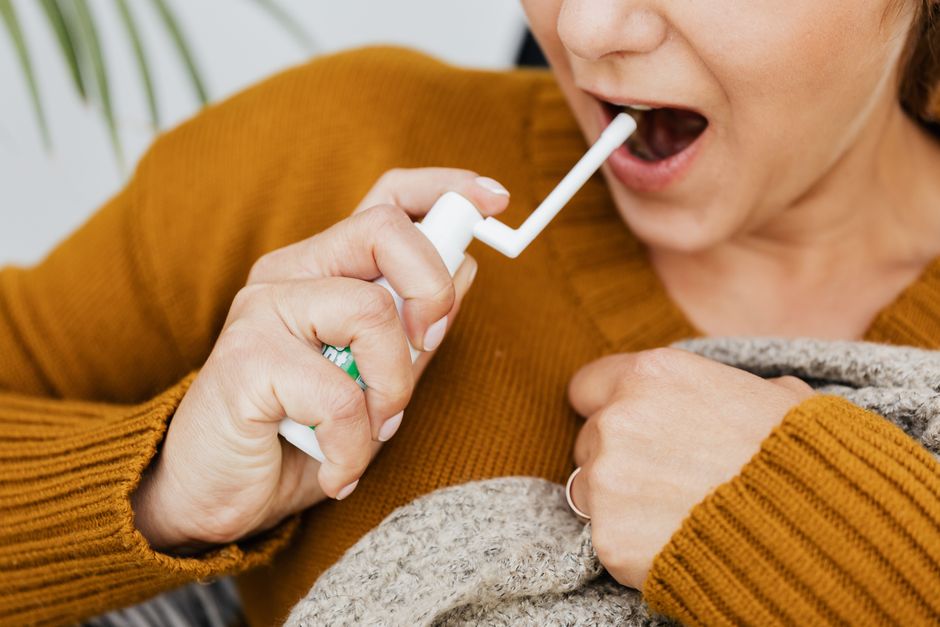
Throat sprays and lozenges offer temporary relief but do not treat the underlying cause. Sprays containing benzocaine or phenol numb the throat for a short time. Lozenges with menthol or pectin can soothe irritation. These are fine for short-term comfort but do not expect them to make the sore throat go away faster.
Some people try decongestants or antihistamines if post-nasal drip is causing the sore throat. This makes sense. If mucus dripping down the back of your throat is the irritant, drying it up helps. But decongestants can cause dry mouth and jitteriness. Use them only if you are sure post-nasal drip is a factor.
| Remedy | What It Does | Evidence Level |
|---|---|---|
| Salt water gargle | Reduces swelling, clears mucus | Strong |
| Honey | Coats throat, antimicrobial | Strong |
| Ibuprofen | Reduces pain and inflammation | Strong |
| Throat spray (benzocaine) | Numbs pain temporarily | Moderate |
| Warm tea with honey | Soothing, hydration | Moderate |
| Echinacea or zinc | May shorten cold duration | Weak to moderate |





What Should You Avoid When You Have a Sore Throat?
Some things make sore throats worse. Dry air is a common culprit. Indoor heating in winter dries out the mucous membranes in your throat. This makes the pain sharper and increases coughing. Use a humidifier in your bedroom or sit in a steamy bathroom for ten minutes before bed.
Smoking and vaping irritate an already inflamed throat. If you smoke, try to cut back or stop entirely while you are sick. Secondhand smoke is just as bad. Alcohol and caffeine can dehydrate you, which thickens mucus and makes swallowing harder. Stick to water, herbal tea, or broth.
Spicy foods and acidic foods like citrus or tomato sauce can sting raw throat tissue. This does not mean you cannot eat them. Just know they might cause a burning sensation. Dairy products do not cause more mucus despite the old myth. Some people find dairy thickens their saliva, which feels uncomfortable. If that happens, avoid it until you feel better.
Do not take leftover antibiotics from a previous illness. This is dangerous and does not work for viral infections. Taking antibiotics when you do not need them contributes to antibiotic resistance, which is a serious public health problem.
When Should You See a Doctor for a Sore Throat?
Most sore throats get better without medical care. But some signs mean you need a professional evaluation. A fever over 101°F that lasts more than 24 hours is a reason to call your doctor. White or yellow patches on your tonsils or the back of your throat suggest strep throat or tonsillitis. Swollen lymph nodes in your neck that are tender to the touch also point toward bacterial infection.
Difficulty breathing, drooling, or a muffled voice are emergency signs. These can indicate a serious condition called epiglottitis or a peritonsillar abscess. Go to an emergency room immediately if you have trouble breathing or cannot swallow your own saliva.
A sore throat that lasts more than a week without improving should be checked. Persistent sore throats can be caused by allergies, acid reflux, or rarely something more serious. Your doctor can perform a rapid strep test or throat culture to determine if antibiotics are needed. Strep throat requires a full course of antibiotics, typically penicillin or amoxicillin. Do not stop taking them early even if you feel better.
Common Misconceptions About Treating Sore Throats
Gargling with apple cider vinegar is popular online. There is no clinical evidence that it kills viruses or bacteria in your throat. It can burn your throat lining and damage tooth enamel. Stick to salt water, which has actual evidence behind it.
Vitamin C megadoses will not cure a sore throat. Some studies suggest vitamin C may slightly shorten the duration of colds if taken regularly before you get sick. Taking it after symptoms start does little. The same applies to zinc lozenges. Zinc may reduce cold duration by a day or two if started within 24 hours of symptoms. But it does not specifically target sore throat pain.
Essential oils like tea tree or peppermint oil are widely claimed to help sore throats. Strong evidence is limited. Inhaling steam with a few drops of eucalyptus oil might feel soothing, but do not ingest essential oils. They can be toxic. Always dilute them properly if using topically.
Gargling with hydrogen peroxide is sometimes recommended. This is not safe. Hydrogen peroxide can damage healthy tissue and should not be swallowed. There are safer, more effective options.
- Salt water gargle: proven, safe, cheap
- Honey: effective for adults, not for infants
- Ibuprofen or acetaminophen: reliable pain relief
- Humidifier or steam: prevents dryness
- Rest and hydration: supports immune system
Frequently Asked Questions
How long does a sore throat usually last?
Most viral sore throats last 3 to 7 days. Strep throat improves within 24 to 48 hours after starting antibiotics.
Can I use honey for a sore throat if I have diabetes?
Honey raises blood sugar. If you have diabetes, use it sparingly or choose a sugar-free option like warm salt water instead.
Is it safe to gargle with hydrogen peroxide for a sore throat?
No. Hydrogen peroxide can damage throat tissue and should not be swallowed. Salt water is a safer and effective alternative.
Does drinking milk make a sore throat worse?
Milk does not increase mucus production. Some people find it coats the throat and feels soothing, while others find it thickens saliva. Choose based on how it feels for you.
