
Pelvic floor muscles form a sling at the base of your pelvis, and contracting them correctly means lifting and squeezing these muscles inward and upward, as if stopping urine flow or holding in gas, without tightening your thighs, buttocks, or stomach. Many people try to do this but accidentally squeeze the wrong muscles, which wastes effort and can even worsen problems like incontinence. The key is a gentle, precise lift — not a hard clench. If you feel your whole abdomen or legs tense, you are not isolating the pelvic floor properly. This article explains exactly how to find and contract these muscles correctly, based on current evidence and clinical practice.
What Exactly Are Pelvic Floor Muscles and Why Do They Matter?
Your pelvic floor is a group of muscles that stretch from your pubic bone to your tailbone, like a hammock. They support your bladder, bowel, and uterus (if you have one). When these muscles are weak, you may leak urine when you cough, sneeze, or exercise. You might also struggle with pelvic organ prolapse or reduced sexual sensation.
Research shows that strong pelvic floor muscles help prevent and treat incontinence. A 2018 review in the Cochrane Database found that pelvic floor muscle training helped women with stress urinary incontinence more than no treatment. The effect was modest but real. Stronger muscles also support core stability and lower back health, though evidence for this is less certain.
As of 2026, pelvic floor training is a standard first-line treatment for incontinence. It is not a cure for everyone, but for many people it reduces symptoms significantly. The problem is that most people do the exercises wrong.
How Do You Find the Right Muscles?
Finding your pelvic floor muscles is the first step, and it is trickier than most articles admit. The classic instruction is to stop your urine stream mid-flow. This works for some people, but urologists warn against doing it regularly because it can disrupt normal bladder emptying. Use it once or twice just to feel the squeeze, then stop.
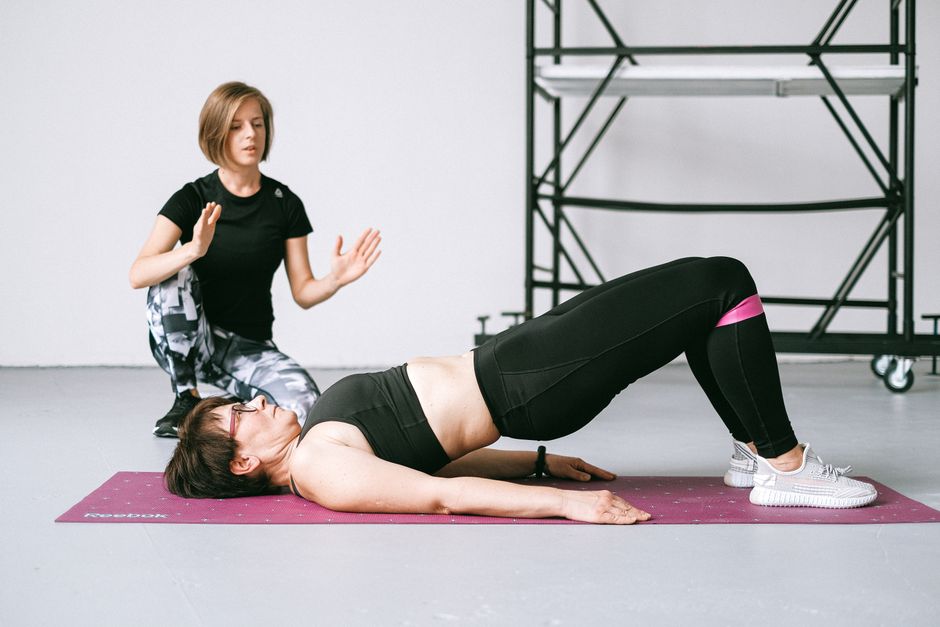
A better method: Lie on your back with knees bent and feet flat. Imagine you are trying to hold in gas. Squeeze the muscles around your anus and vagina or penis gently. You should feel a lift inward and upward. Now try to relax completely. If you feel your stomach or thigh muscles tighten, you are using too many muscles.
Some people find it helpful to insert a clean finger into the vagina or rectum. When you squeeze correctly, you should feel a gentle tightening around your finger. This is not for everyone, but it gives direct feedback. Physical therapists sometimes use biofeedback devices that show muscle activity on a screen. These are not necessary for everyone, but they help if you are struggling.
How To Contract Pelvic Floor Muscles Correctly: Step by Step
Once you have found the muscles, the technique matters more than most people realize. Here is the correct sequence:
- Start with an empty bladder. Doing exercises with a full bladder can weaken the muscles over time.
- Sit or lie down in a comfortable position. Beginners should lie on their back with knees bent.
- Breathe normally. Do not hold your breath.
- Squeeze and lift the pelvic floor muscles inward and upward. Imagine lifting a small object inside your pelvis.
- Hold the contraction for 3 to 5 seconds. Do not squeeze harder than a 6 out of 10 effort. Harder is not better.
- Relax completely for 5 to 10 seconds. Full relaxation between contractions is essential. You need to let the muscles rest.
- Repeat 8 to 12 times. Do this twice a day.
Many people hold their breath or tense their shoulders when they squeeze. Check your body: jaw relaxed, shoulders down, stomach soft. If you feel any tension outside the pelvic floor, you are doing it wrong. Stop and try again with less effort.
Research shows that quality matters more than quantity. A 2020 study in the Journal of Women’s Health Physical Therapy found that women who did fewer but more precise contractions improved more than those who did many sloppy ones. Slow and controlled beats fast and hard every time.




What Mistakes Do People Make Most Often?
Most people squeeze their glutes, thighs, or abs instead of the pelvic floor. This is the number one error. If you feel your buttocks clench, you are using the wrong muscles. Your pelvic floor is deep and subtle — you should not feel big movements.
Another common mistake is bearing down instead of lifting up. Some people push outward as if trying to poop. This is the opposite of what you want. Pushing down stretches and weakens the pelvic floor over time. The correct movement is a lift, not a push.
A third error is doing too many reps or holding too long. Some online programs tell you to hold for 10 seconds or do 100 reps a day. This can fatigue the muscles and cause them to tighten chronically. A tight pelvic floor can cause pain during sex, difficulty urinating, and constipation. More is not better. Stick with 8 to 12 controlled reps twice a day.
Finally, many people stop doing the exercises once they feel better. Pelvic floor strength is like any other muscle — it fades if you stop. You do not need to do them forever, but maintenance sessions twice a week can keep the gains.
Does The “Knack” Or “The Cue” Work Better Than Standard Exercises?
Some clinicians teach a technique called “The Knack” or “the cue.” This means you contract your pelvic floor just before you cough, sneeze, laugh, or lift something heavy. The idea is that a quick, strong contraction prevents urine leakage in the moment.
Research suggests this works for some people. A study from 2005 in the journal Neurourology and Urodynamics found that women who used The Knack had fewer leakage episodes during coughing compared to those who did not. However, this is a skill that requires practice. You cannot rely on it alone if your muscles are very weak.
Current best practice combines regular strengthening exercises with The Knack for real-life situations. Do your daily holds and lifts, then practice quick squeezes before triggers. Over time, the quick squeeze becomes automatic.
Some people find it easier to remember the cue than to do formal exercises. That is fine. Any correct contraction is better than none. But do not skip the holds entirely — they build the endurance your muscles need for longer activities like running or carrying groceries.
How Long Does It Take To See Results?
Most people notice improvement within 4 to 8 weeks of consistent practice. This is not instant. If you expect results in a week, you will be disappointed. The muscles need time to strengthen, just like biceps or quadriceps.
A 2019 study in the International Urogynecology Journal followed women doing daily pelvic floor exercises. After 12 weeks, about 60 percent reported significant improvement in leakage. About 20 percent saw no change. Not everyone responds equally. If you do not see results after 3 months, consider seeing a pelvic floor physical therapist.
Some people need more guidance. A physical therapist can assess your technique with real-time ultrasound or biofeedback. They can also check for a tight pelvic floor, which needs relaxation exercises instead of strengthening ones. About 15 to 20 percent of people with pelvic floor issues actually have overactive, tight muscles. For them, standard Kegels make things worse.
Do not compare your progress to others. Age, childbirth history, surgical history, and body type all affect how quickly you improve. Focus on correct form and consistency. That is what the evidence supports.
Frequently Asked Questions
How do I know if I am contracting the right muscles?
Place a hand on your lower belly and another on your buttocks. If either moves during a squeeze, you are using the wrong muscles. The correct contraction feels like a gentle lift inside, not a visible movement.
Can doing pelvic floor exercises make incontinence worse?
Yes, if you have a tight or overactive pelvic floor. If you feel pain, difficulty starting urination, or worsening leakage, stop and see a pelvic floor physical therapist. Not everyone needs strengthening — some need relaxation.
How many times a day should I do pelvic floor exercises?
Two sessions per day is enough. Each session should include 8 to 12 holds of 3 to 5 seconds, with full relaxation between each hold. More than this can overwork the muscles.
Can men benefit from pelvic floor exercises too?
Yes. Men use pelvic floor muscles to control urine flow and support the bladder and bowel. Men who have had prostate surgery often benefit significantly from these exercises. The technique is the same: lift and squeeze inward and upward.
