
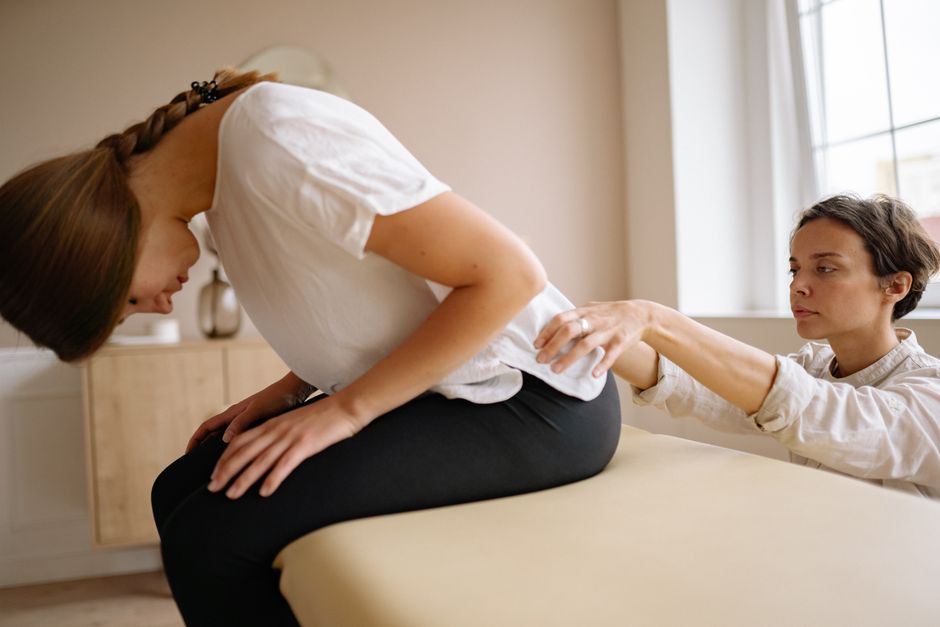
Lower back pain is one of the most common reasons people visit a doctor. Most cases improve within weeks with simple steps like staying active, using heat, and taking over-the-counter pain relievers. This guide walks through what actually works based on current evidence and what to skip.
What causes lower back pain in the first place?
Most lower back pain has no single clear cause. Research shows that in about 85 percent of cases, doctors cannot find a specific structural problem. This is called non-specific low back pain.
Muscle strain from lifting wrong or twisting awkwardly is common. So is poor posture over time. But the pain itself often comes from a mix of weak supporting muscles, stiff joints, and how your brain processes pain signals.
Serious causes like fractures, infections, or tumors are rare. They account for less than 1 percent of cases. Red flags include fever, unexplained weight loss, bowel or bladder problems, and pain that wakes you at night.
Age plays a role too. Discs between vertebrae lose water content over time. Joints can develop arthritis. But many people with these changes on an MRI have zero pain. The image does not always match how you feel.
Should you rest or stay active for lower back pain?
Bed rest was the old advice. It is wrong for most people. Studies have found that staying in bed for more than two days actually slows recovery and makes muscles weaker.
Staying active within your pain limits works better. Gentle walking, stretching, and daily movement keep blood flowing to tissues and prevent stiffness. The goal is not to push through sharp pain but to keep moving comfortably.
Research shows that people who stay active return to normal activities faster than those who rest. A 2020 review in the BMJ found strong evidence that advice to remain active reduces pain and disability compared to bed rest.
Listen to your body. If walking hurts, slow down or shorten the distance. If sitting hurts, stand up and move every 20 minutes. Small frequent movements beat long periods of sitting or lying down.
What treatments actually work for lower back pain?
Heat therapy has solid evidence. A warm pack or hot bath relaxes tight muscles and increases blood flow. Cold packs can help in the first 48 hours after an injury to reduce swelling, but heat is better for ongoing stiffness.
Over-the-counter medications like ibuprofen (Advil) or naproxen (Aleve) reduce inflammation and pain. Acetaminophen (Tylenol) helps pain but does not reduce inflammation. A 2016 study found that NSAIDs like ibuprofen are more effective than acetaminophen for back pain.
Physical therapy works for many people. A therapist can teach specific exercises to strengthen core muscles and improve posture. The evidence is strongest for exercise combined with education about pain.
Manual therapies like chiropractic adjustments or massage have mixed evidence. Some studies suggest modest short-term relief. But the effects are usually small and not better than other active treatments.
For persistent pain lasting more than 12 weeks, cognitive behavioral therapy (CBT) has good evidence. It helps retrain how your brain responds to pain signals. A 2021 meta-analysis found CBT reduces disability and improves quality of life for chronic back pain.
Comparison of common treatments
| Treatment | Evidence strength | Best for |
|---|---|---|
| Heat therapy | Strong | Acute muscle stiffness |
| NSAIDs (ibuprofen, naproxen) | Strong | Acute pain with inflammation |
| Exercise therapy | Strong | Prevention and chronic pain |
| Physical therapy | Moderate-strong | Ongoing or recurrent pain |
| Chiropractic manipulation | Moderate | Short-term relief |
| Acupuncture | Weak-moderate | Small pain reduction |
| Massage therapy | Weak | Muscle tension |
| Opioid painkillers | Weak (high risk) | Severe acute pain only |
-
 How to Sleep If You Have Lower Back Pain? Simple Steps That Help
 -
How to Help Menstrual Back Pain? Simple Steps That Help
-
How to Tell If Back Pain is Muscular or Kidney? A Simple Guide
-
How to Choose a Mattress for Back Pain? A Simple Guide
-
Joint Vive Reviews And Complaints 2026: Consumer Reports & Ratings





What treatments should you avoid for lower back pain?
Opioid painkillers like oxycodone or hydrocodone have very limited evidence for back pain. The CDC now recommends against them for most cases. They carry high risk of addiction, constipation, and sedation. As of 2026, clinical guidelines consistently advise trying non-opioid options first.
Muscle relaxants like cyclobenzaprine (Flexeril) work for some people short-term but cause significant drowsiness. A 2021 Cochrane review found they have modest benefit at best. They are not a long-term solution.
Cortisone injections into the spine are overused. For non-specific back pain without nerve compression, they do not help. Even for sciatica, the benefits are modest and temporary. A 2020 study in the New England Journal of Medicine found no difference between steroid injections and placebo for disc-related back pain.
Some people report that certain supplements help. But strong evidence is limited. Vitamin D deficiency is linked to chronic pain, but supplementing only helps if you are actually deficient. Glucosamine, chondroitin, and turmeric have weak or conflicting evidence for back pain specifically.
Avoid traction devices, inversion tables, and back braces for daily use. Traction has no proven benefit for most back pain. Braces weaken core muscles over time and delay recovery.
What exercises help treat lower back pain?
Exercise is one of the most effective treatments, but the type matters. General movement like walking is good. Targeted exercises can help more.
Core strengthening exercises support the spine. The transverse abdominis muscle acts like a natural belt. Planks, bird dogs, and dead bugs activate this muscle. Start with short holds and build up.
Stretching the hamstrings and hip flexors helps many people. Tight hamstrings pull on the pelvis and increase strain on the lower back. A simple seated hamstring stretch for 30 seconds per side daily can help.
Mackenzie exercises, also called extension exercises, work for some people with disc-related pain. Lying on your stomach and pushing up on your elbows or hands can centralize pain — moving it from the leg back to the back. Research shows about 70 percent of people with disc pain respond well to this approach.
Simple exercises to try at home
- Pelvic tilts: Lie on your back with knees bent, flatten your lower back against the floor, hold 5 seconds, repeat 10 times
- Cat-cow stretch: On hands and knees, alternate arching and rounding your back slowly
- Partial crunches: Lie on your back with knees bent, lift shoulders off floor, keep lower back pressed down
- Glute bridges: Lie on back with knees bent, lift hips toward ceiling, squeeze glutes at top
- Knee-to-chest stretch: Lie on back, pull one knee toward chest, hold 20 seconds, switch sides
Stop any exercise that causes sharp or shooting pain. Mild discomfort is normal. Sharp pain means you need to modify the movement or skip it entirely.
When should you see a doctor for lower back pain?
Most back pain resolves on its own within four to six weeks. You do not need a doctor for every ache. But some situations warrant medical attention.
See a doctor if pain lasts longer than six weeks without improving. Also seek care if pain is severe enough to prevent normal daily activities. Numbness or tingling in the legs, especially if it spreads below the knee, may indicate nerve involvement.
Current research suggests that early imaging like X-rays or MRIs rarely helps and often leads to unnecessary procedures. The American College of Physicians recommends against routine imaging for non-specific low back pain. Imaging is only needed if red flags are present or if surgery is being considered.
A good doctor will take a history, do a basic physical exam, and recommend conservative treatments first. If you need a specialist, physiatrists (rehabilitation doctors) and physical therapists are good starting points. Spine surgeons should be a last resort.
Frequently Asked Questions About treat lower back pain
How long does lower back pain usually last?
Most episodes resolve within four to six weeks. About one-third of people have persistent or recurrent pain beyond that point.
Is walking good for lower back pain?
Yes, walking is one of the safest and most effective activities. It keeps muscles active without jarring the spine.
Can a mattress cause lower back pain?
A mattress that is too soft or too hard can contribute to pain. Medium-firm mattresses generally provide the best support for most people.
Does weight loss help lower back pain?
Excess weight, especially around the abdomen, increases strain on the lower back. Losing even 5 to 10 percent of body weight can reduce pain for many people.
