
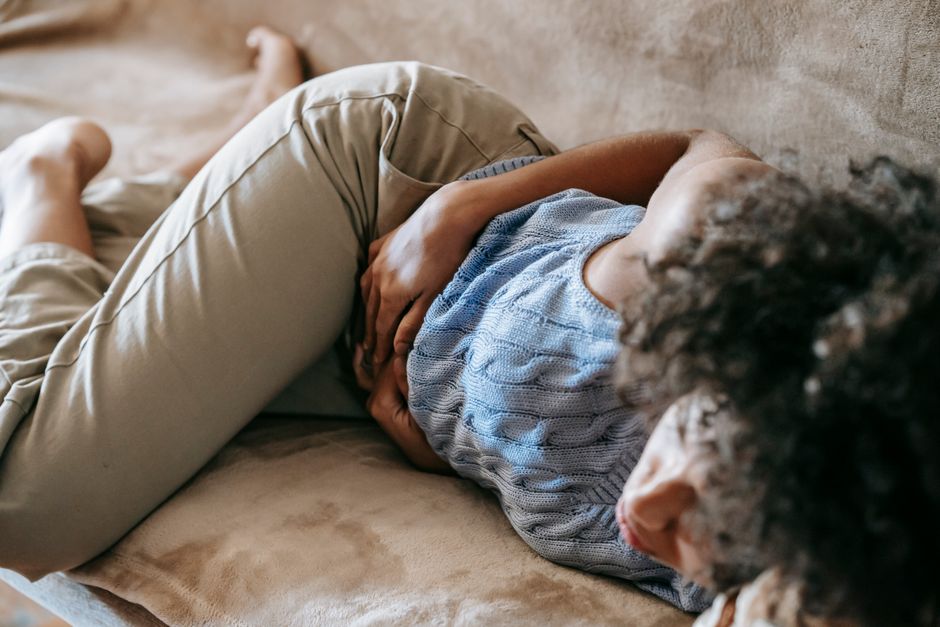
Apply a heating pad to your lower back, take ibuprofen or naproxen at the first sign of pain, and try gentle walking or stretching. These are the most effective steps you can take right now to reduce menstrual back pain. Most women find relief within 30 to 60 minutes with these simple measures.
What causes back pain during your period?
Menstrual back pain usually comes from the uterus, not the back itself. Before and during your period, the lining of the uterus releases hormones called prostaglandins. These hormones make the uterus contract to shed its lining.
Strong contractions can reduce blood flow to the uterus. This lack of oxygen causes cramping pain. That pain can spread — or “refer” — to the lower back and thighs. The medical term for this is referred pain. Some women also have tension in the pelvic floor muscles, which adds to the backache.
For women with endometriosis or fibroids, the pain may be more severe because the underlying tissue is abnormal. But for most women, the cause is simply normal uterine cramping that is felt in the back.
What is the fastest way to help menstrual back pain?
Heat is the quickest and safest first step. A heating pad on your lower back or a warm bath relaxes the muscles and increases blood flow. Research consistently shows that heat works as well as ibuprofen for some women, with fewer side effects.
If heat alone does not fully relieve the pain, take a non-steroidal anti-inflammatory drug (NSAID) such as ibuprofen (Advil, Motrin) or naproxen (Aleve). NSAIDs block the production of prostaglandins. That directly reduces the cramps causing the back pain. Take the medication at the first twinge of pain — not after it becomes severe. Starting early gives the best result.
Lie on your side with a pillow between your knees. This position takes pressure off your lower back. Combine this with heat and medication for the most complete relief.
How can exercise help menstrual back pain?
Gentle movement can ease the pain, but heavy exercise may make it worse. Walking at a comfortable pace, light stretching, and yoga poses such as child’s pose and cat-cow are well-tolerated by most women during their period.
The mechanism is not fully proven, but exercise is thought to improve blood flow and release endorphins — the body’s natural pain relievers. Some studies suggest regular exercise throughout the month reduces the severity of menstrual cramps overall.
If you feel sharp pain during any movement, stop. Period pain is not the time to push through discomfort. Listen to your body. For some women, rest is the better choice on heavy days.





How to help menstrual back pain with lifestyle changes
Some women find that certain habits reduce the intensity of their menstrual back pain over time. The evidence for most lifestyle changes is limited, but they are low-risk and may help.
- Diet. Reducing salty foods can lessen bloating, which may decrease pressure on the lower back. Some research suggests that omega-3 fatty acids (found in fish and flaxseed) may lower prostaglandin levels, but large human trials are lacking.
- Hydration. Drinking enough water helps prevent muscle tension. This is a reasonable general health measure, not a proven treatment for period pain.
- Sleep position. Sleeping on your side with a pillow between your knees keeps the spine aligned and may reduce morning back pain.
- Stress management. Stress can increase muscle tension and pain perception. Relaxation techniques such as deep breathing may help, but no high-quality trials specifically target menstrual back pain.
These changes are not cures. They are supplemental strategies that some women find helpful. No single lifestyle change has been proven to eliminate menstrual back pain.
What medications help menstrual back pain?
NSAIDs are the first-line medication for period pain. Ibuprofen and naproxen are available over the counter. They work best when taken at the first sign of pain and continued at regular intervals for 1–2 days. Acetaminophen (Tylenol) works on pain but does not reduce prostaglandins, so it is less effective for cramps.
For women who cannot take NSAIDs — for example, due to stomach ulcers or kidney problems — acetaminophen is an alternative. A heating pad can be combined with acetaminophen for added relief.
Oral contraceptive pills are sometimes prescribed for severe menstrual pain. They work by thinning the uterine lining and reducing prostaglandin production. This is a prescription option, not a first step. Talk to your doctor if over-the-counter options do not control the pain after a few cycles.
No evidence currently supports the use of magnesium, vitamin B1, or fish oil supplements specifically for menstrual back pain, though some small studies hint at possible benefit for abdominal cramps. The evidence is too weak to recommend them.
When should you see a doctor?
Occasional menstrual back pain that responds to heat and ibuprofen is normal. But you should see a doctor if:
- The pain is severe enough to miss work, school, or social activities regularly.
- Pain relievers do not help or you need increasing doses.
- The back pain starts before your period and continues after it ends.
- You have new back pain that is different from your usual cramps.
- You also have fever, heavy bleeding, or pain during sex.
These symptoms can indicate conditions such as endometriosis, uterine fibroids, or pelvic inflammatory disease. A doctor can perform an exam and order an ultrasound if needed. Do not assume severe menstrual back pain is normal. Many treatable conditions cause it.
For most women, menstrual back pain improves with age and often after childbirth. But if it does not respond to simple home care, a medical evaluation is warranted.
Does the menstrual cycle stage affect back pain?
Yes. Back pain is most common in the first 1–3 days of the period, when prostaglandin levels are highest. For some women, pain can start the day before bleeding begins. The pain usually fades as the flow lightens.
Some women also experience back pain around ovulation — about day 14 of a 28-day cycle. This is less common and is usually a mild, one-sided ache. Mid-cycle back pain is not menstrual pain and has a different cause — likely the release of an egg from the ovary.
If you consistently have back pain that does not follow this pattern — for example, pain that lasts the entire month or worsens after your period ends — that is a reason to see a doctor.
Frequently Asked Questions
Does a heating pad really help menstrual back pain?
Yes. Heat relaxes the muscles and improves blood flow, and studies show it can be as effective as ibuprofen for period pain.
What is the best painkiller for period back pain?
Ibuprofen or naproxen are the best choices because they block the prostaglandins that cause the cramps. Take them at the earliest sign of pain.
Can exercise make menstrual back pain worse?
Gentle exercise like walking or stretching usually helps. Intense exercise can worsen pain. Stop if you feel sharp pain.
When should I worry about period back pain?
Worry if the pain is severe enough to keep you from normal activities, if pain relievers do not help, or if the pain lasts beyond your period.
