
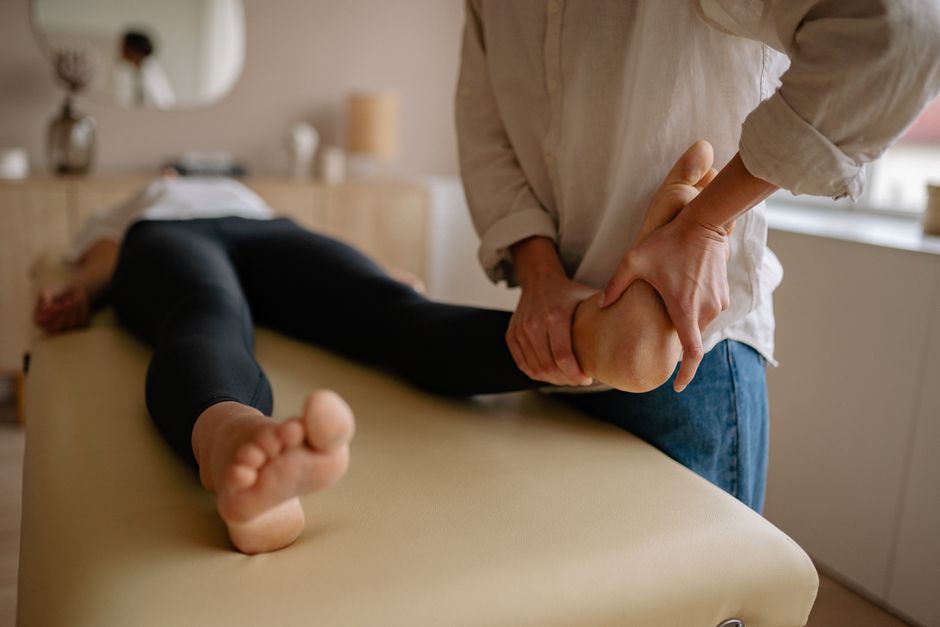
Heel pain is one of the most common foot problems adults face, and most cases can be managed at home without a trip to the doctor. The first-line approach is a combination of rest, ice, and gentle stretching, along with switching your footwear. Most people notice meaningful improvement within a few weeks of consistent home care, though stubborn cases may take a few months to fully resolve.
What Causes Heel Pain in the First Place?
Understanding the cause matters because the right treatment depends on it. The most frequent culprit is plantar fasciitis, an irritation of the thick band of tissue running along the bottom of your foot. This band supports your arch and absorbs shock when you walk, run, or stand.
Other common causes include Achilles tendinitis, heel bursitis, stress fractures, and in some cases, nerve irritation. Less commonly, heel pain can come from systemic conditions like rheumatoid arthritis or gout. If your pain follows a recent injury, involves numbness or tingling, or is accompanied by swelling and redness, that points to something other than routine plantar fasciitis and deserves a medical evaluation.
The key sign of plantar fasciitis is pain with your first steps in the morning or after sitting for a long time. The pain often eases after a few minutes of walking but can return after prolonged standing or exercise.
How To Treat Heel Pain At Home: Rest Ice And More
Rest is the foundation of home treatment. That does not mean bed rest, but it does mean cutting back on activities that make the pain worse. Running, jumping, and long walks on hard surfaces should be reduced until the pain settles.
Ice reduces inflammation and numbs the area. Apply an ice pack wrapped in a thin towel to the bottom of the heel for 15 minutes at a time, two to three times daily. Do not apply ice directly to skin, as that can cause frostbite. Some people find rolling a frozen water bottle under the foot helpful, but a standard ice pack works just as well.
Beyond rest and ice, the most effective home measures include:
- Stretching the calf and the bottom of the foot several times a day
- Switching to supportive shoes with good arch support
- Avoiding walking barefoot on hard floors, especially first thing in the morning
- Using over-the-counter pain relievers like ibuprofen or naproxen for short-term pain
Consistency matters more than intensity. Doing a little bit every day beats doing a lot once a week.
Which Stretches Actually Help Heel Pain?
Stretching is the single most evidence-backed home treatment for plantar fasciitis. The goal is to lengthen the calf muscles and the plantar fascia itself, which reduces tension on the heel.
The towel stretch is simple and effective. Sit with your leg straight, loop a towel around the ball of your foot, and gently pull the towel toward you until you feel a stretch in your calf. Hold for 30 seconds and repeat three times on each side.
The wall calf stretch works the same muscles. Stand facing a wall with one foot behind the other, keep the back heel down, and lean forward until you feel a stretch in the back leg. Hold for 30 seconds, then switch sides.
For the plantar fascia specifically, sit in a chair and roll a tennis ball or frozen water bottle under the arch of your foot for a few minutes. This massages the tissue and provides a mild stretch. Do this after stretching, not before.
Doing these stretches before getting out of bed in the morning can be especially helpful. The tissue tightens overnight, which is why the first steps hurt. A quick stretch while still lying down can reduce that morning pain significantly.





What Footwear Changes Reduce Heel Pain?
Shoes are not a minor detail in heel pain treatment. They are often the difference between improvement and ongoing discomfort. Flat, flexible shoes allow the foot to over-pronate, which puts extra strain on the plantar fascia.
Look for shoes with a firm heel counter, good arch support, and a slight heel lift. Running shoes generally fit this description, which is why many people find them comfortable during a flare-up. Avoid flip-flops, ballet flats, and worn-out sneakers with compressed soles.
If your daily shoes are adequate but you still have pain, consider over-the-counter arch supports or heel cups. These are inexpensive and can be moved between shoes. Some research suggests that prefabricated orthotics are as effective as custom-made ones for plantar fasciitis, making them a reasonable first step before spending money on a podiatrist-prescribed device.
Night splints are another option worth mentioning. These keep the foot in a stretched position while you sleep, preventing the tissue from tightening overnight. They take some getting used to, but studies have found they reduce morning pain in many people. You can buy them at most pharmacies without a prescription.
When Should You See a Doctor for Heel Pain?
Home treatment works for most people, but it does not work for everyone. You should see a doctor if the pain does not improve after six to eight weeks of consistent home care, or if the pain is severe enough to interfere with walking normally.
Seek medical attention sooner if your heel pain follows a fall or injury, if you have numbness or tingling in the foot, or if the area is red, hot, or swollen. These signs can indicate a fracture, infection, or nerve involvement that will not respond to home treatment.
People with diabetes should be especially cautious. Nerve damage and poor circulation can change how foot problems present, and what seems like routine heel pain may be something more serious. If you have diabetes and develop heel pain, a medical check is the safer route.
Doctors typically start with the same conservative measures you have already tried. If those fail, they may recommend physical therapy, custom orthotics, or in some cases, corticosteroid injections. Surgery is rarely needed and is considered only after months of failed conservative treatment.
What Not To Do When Treating Heel Pain at Home
Some popular home remedies are not supported by evidence and can actually make things worse. It is worth knowing what to avoid.
Do not stretch aggressively through sharp pain. A mild discomfort during stretching is normal, but sharp or worsening pain means you are overdoing it. The plantar fascia can tear if stretched too forcefully, which sets recovery back significantly.
Do not apply deep heat to an acutely inflamed heel. Heat increases blood flow and can worsen inflammation in the early stages. Ice is the better choice for a fresh flare-up. Heat may be useful later for chronic stiffness, but it is not the first-line treatment.
Do not ignore the pain and push through it. The “no pain, no gain” mindset does not apply here. Continuing high-impact activities while your heel is painful prolongs the inflammation and can turn a short-term problem into a months-long one.
Do not rely solely on pain relievers. Over-the-counter anti-inflammatories can reduce pain, but they do not fix the underlying tightness or mechanical issue. They are a complement to stretching and footwear changes, not a replacement.
How Long Does Heel Pain Take To Heal?
Realistic expectations help you stay consistent with treatment. Most people with plantar fasciitis notice significant improvement within six to twelve weeks of consistent home care. Complete resolution can take several months, especially if the condition has been present for a long time before treatment starts.
Recovery is rarely linear. You may have good weeks and bad weeks. A day of prolonged standing or an intense workout can temporarily set you back. This does not mean your treatment is failing. It means the tissue is still healing and needs continued protection.
If you have been consistent with home treatment for three months and see no improvement at all, that is a signal to seek professional help. The evidence for continuing the same approach indefinitely without any response is weak, and a doctor can explore other causes or escalate treatment.
Frequently Asked Questions
Can I walk with heel pain?
Yes, but reduce the amount you walk and avoid hard surfaces when possible. Walking is not harmful, but high-impact activities like running should be paused until the pain improves.
Is ice or heat better for heel pain?
Ice is better for a fresh flare-up because it reduces inflammation. Heat may help with chronic stiffness but should not be used on an acutely painful heel.
Do heel cups or arch supports actually work?
Yes, for many people. Over-the-counter arch supports and heel cups reduce strain on the plantar fascia and are a reasonable first step before considering custom orthotics.
When should I worry about heel pain?
See a doctor if the pain follows an injury, if you have numbness or tingling, if the area is red or swollen, or if home treatment has not helped after six to eight weeks.
