
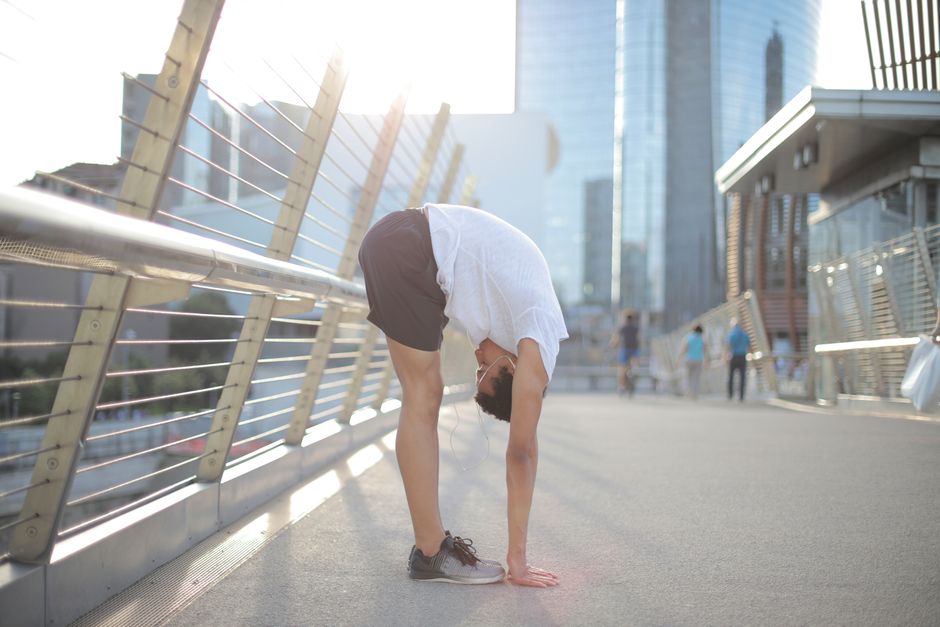
Lower right back pain is common and often comes from tight muscles or a stiff joint in the lower spine. Stretching can help when the pain is muscular, but it is not the right move for every type of back pain. Gentle, targeted stretches that move the lower spine and hip can reduce tension and improve mobility. Stop any stretch that increases pain or sends pain down your leg, and see a clinician if the pain is severe, persistent, or accompanied by numbness or weakness.
What Causes Lower Right Back Pain?
The lower back, or lumbar spine, carries a lot of your body weight and moves with nearly everything you do. Pain on the right side can come from a muscle strain, a stiff facet joint, or irritation of a nerve root. It can also come from the sacroiliac joint, which connects the lower spine to the pelvis.
Muscle strains are the most common cause. A sudden twist, a heavy lift, or poor posture over time can overstretch or tear muscle fibers. When muscles on the right side are tight or weak, they can pull the spine unevenly and cause pain.
Less common but more serious causes include a herniated disc pressing on a nerve, spinal stenosis, or arthritis in the facet joints. In rare cases, pain in the lower right back can come from a kidney infection, a kidney stone, or problems in the abdomen. If your pain came on suddenly, is very severe, or is paired with fever, chills, or trouble urinating, get medical attention right away.
How To Stretch The Lower Right Back And Relieve Pain Safely
Before stretching, warm up the area for a few minutes. A short walk or a warm shower increases blood flow and makes muscle tissue more pliable. Stretching a cold muscle can cause more harm than good.
When you stretch, move slowly and breathe normally. Hold each stretch for 20 to 30 seconds. You should feel a gentle pull, not sharp pain. If a stretch hurts, stop immediately.
Start with these three basic stretches. They are safe for most people with muscular lower back pain.
- Knee-to-chest stretch: Lie on your back with both knees bent. Gently pull your right knee toward your chest with both hands. Hold for 20 to 30 seconds. Lower slowly and repeat on the left side.
- Child’s pose: Kneel on the floor, sit back on your heels, and reach your arms forward. Lower your chest toward the floor. This gently lengthens the entire lower back.
- Cat-cow stretch: Start on your hands and knees. Arch your back up like a cat, then let it sink down. Move slowly with your breath.
Targeted Stretches for the Right Side
When pain is specifically on the right side, focus on stretches that lengthen the right side of the lower back and the muscles around the right hip.
Seated spinal twist: Sit on the floor with your legs straight. Bend your right knee and step your right foot over your left leg. Place your left elbow on the outside of your right knee and gently twist your torso to the right. Keep your spine tall. This targets the muscles along the right side of the spine.
Piriformis stretch: Lie on your back with both knees bent. Cross your right ankle over your left knee. Gently pull your left thigh toward your chest. You should feel this in your right buttock. The piriformis muscle sits deep in the buttock and can refer pain into the lower back.
Hip flexor stretch: Kneel on your right knee with your left foot flat on the floor in front of you. Gently push your hips forward. A tight right hip flexor can pull on the lower back and cause pain.
Do these stretches once or twice daily. Consistency matters more than intensity. Stretching for a few minutes every day is better than one long session once a week.





When Stretching Is Not the Answer
Stretching helps with muscle tightness, but it can make some conditions worse. If your pain comes from a herniated disc, certain forward-bending stretches can increase pressure on the disc and worsen symptoms.
Research consistently shows that staying active and moving is better for most back pain than resting in bed. But the type of movement matters. Walking, swimming, and gentle mobility work are usually safe. High-impact activities or heavy lifting can aggravate the area.
If your pain does not improve after a few days of gentle stretching, or if it gets worse, stop stretching and see a clinician. A physical therapist can assess your specific movement patterns and prescribe stretches that target your exact problem.
What the Research Says About Stretching for Back Pain
Studies have found that stretching alone provides modest relief for low back pain. The evidence is stronger for combining stretching with strengthening exercises. A 2020 review of multiple trials published in the Journal of Orthopaedic & Sports Physical Therapy found that exercise therapy, including stretching, reduces pain and improves function in people with chronic low back pain.
Stretching helps by improving flexibility and reducing muscle tension, but it does not fix the underlying cause if that cause is weakness or poor movement patterns. For lasting relief, most people need a combination of stretching and strengthening.
Strengthening the core muscles — the deep abdominal muscles, the muscles along the spine, and the glutes — supports the lower back and reduces the chance of future injury. Simple exercises like bridges, bird-dogs, and planks are good starting points.
How to Prevent Lower Right Back Pain From Returning
Prevention is more effective than treatment. Good posture during sitting and standing reduces unnecessary strain on the lower back. When you sit, keep your feet flat on the floor and avoid slouching. When you stand for long periods, shift your weight regularly.
Lifting technique matters. Bend at your knees, not your waist. Hold objects close to your body. Avoid twisting while lifting.
Regular movement throughout the day is important. Sitting for hours at a time puts constant pressure on the lumbar spine. Stand up, walk around, or change positions every 30 to 60 minutes.
Sleep position also affects back pain. Side sleepers should place a pillow between their knees to keep the spine aligned. Back sleepers can place a pillow under their knees to reduce the curve in the lower back.
Other Options for Lower Right Back Pain Relief
Heat and cold therapy can help alongside stretching. Apply a heating pad or warm compress for 15 to 20 minutes to relax tight muscles. Use an ice pack for the first 48 hours after an injury to reduce inflammation. Never apply ice directly to the skin — wrap it in a towel.
Over-the-counter anti-inflammatory medications like ibuprofen or naproxen can reduce pain and inflammation. Acetaminophen can help with pain but does not reduce inflammation. Follow the dosing instructions on the package and check with a pharmacist if you take other medications or have health conditions.
Massage therapy can temporarily relieve muscle tension, though the evidence for long-term benefit is limited. Some research suggests massage is helpful for short-term pain relief, but it does not address the underlying causes of back pain.
When to See a Doctor
See a clinician if your pain lasts more than two weeks despite stretching and self-care. Seek immediate medical care if you have any of these warning signs:
- Pain that radiates down your leg below the knee
- Numbness or tingling in your leg or foot
- Weakness in your leg
- Loss of bowel or bladder control
- Fever, chills, or unexplained weight loss
- Pain that is severe or getting worse
Loss of bowel or bladder control with back pain is a medical emergency. It can indicate cauda equina syndrome, a condition where nerves at the base of the spinal cord are compressed. This requires immediate surgery to prevent permanent damage.
Frequently Asked Questions
How long should I hold a lower back stretch?
Hold each stretch for 20 to 30 seconds and repeat two to three times. Do not bounce or force the stretch — move gently and breathe normally.
Can stretching make my back pain worse?
Yes, if the pain comes from a herniated disc or nerve compression, certain stretches can increase symptoms. Stop any stretch that causes sharp pain or pain that travels down your leg.
How often should I stretch for lower back pain?
Stretch once or twice daily for best results. Short, consistent sessions are more effective than occasional long sessions.
Should I stretch if my back pain is severe?
No. Severe pain, especially with leg numbness or weakness, needs medical evaluation before you attempt any stretching. See a clinician first.
